The iPad Air May Finally Get the Screen it Deserves
Toggle Dark Mode
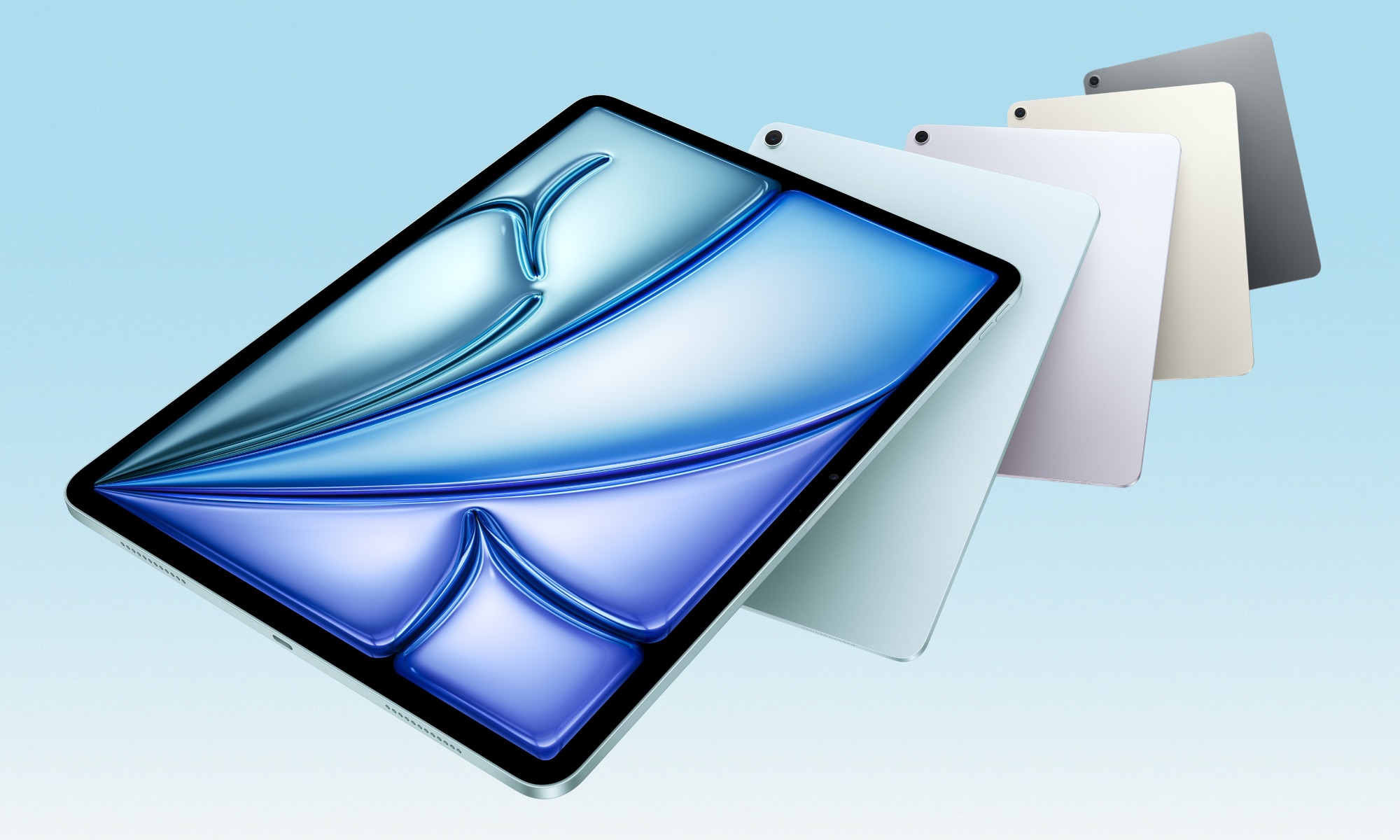
After a brief detour into mini-LED technology, Apple finally brought true OLED panels to the M4 iPad Pro in 2024. However, while it’s seemed clear for years that OLED would eventually come to its entire tablet lineup, it’s been anyone’s guess when we could expect it to trickle down from its flagship tablets to the other tiers.
As far back as late 2023, supply chain rumours were predicting OLED for all — even if the lower-end iPad models might take a bit longer. At the time, the consensus among analysts was that the iPad Pro would lead the way (which it did only a few months later), but that the OLED-equipped iPad mini and iPad Air models wouldn’t arrive until 2026 at the earlier.

The iPad mini is widely expected to be next in line, with an October report from Bloomberg’s Mark Gurman saying that Apple is testing new versions of all of its iPads with OLED screens, but that the iPad mini has the edge due to its smaller size and more spread out upgrade cycle. The current iPad mini was released in late 2024 with an A17 Pro chip, while we’ve seen not one, but two updates to the iPad Air since then. Granted, those were relatively minor refreshes that changed little more than the M-series chips inside, but it’s still fair to say the iPad mini is due for a new model any day now.
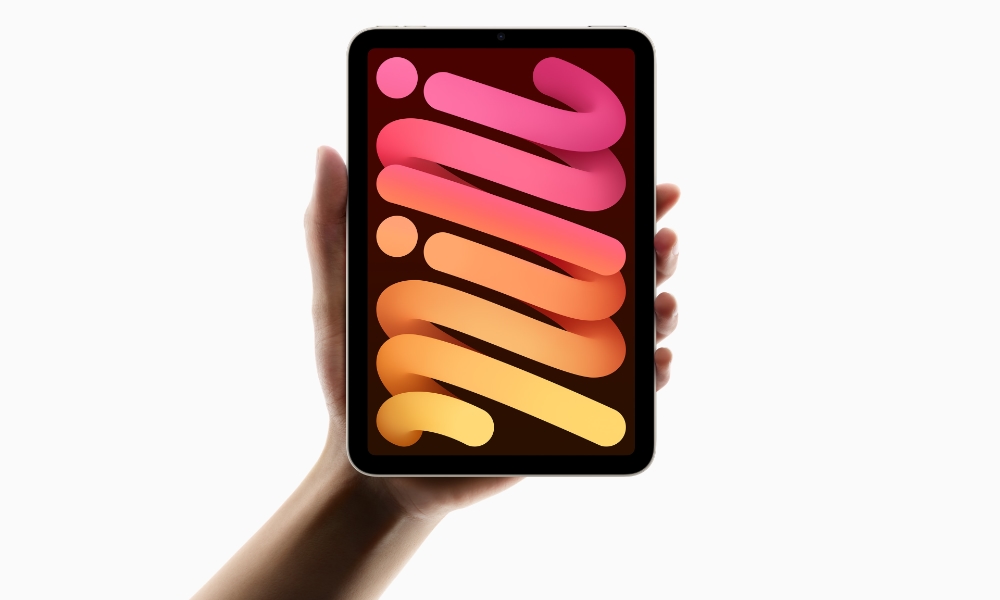
There’s no firm word on whether we’ll see that update this year, but several reports point to a potential fall release, which would align with the 2024 iPad mini, which came on the heels of the iPhone 16 lineup two years ago, and its 2021 A15-powered predecessor, which also arrived in the fall. Then again, Apple hasn’t exactly carved out a consistent pattern for its iPad release dates the way it has with the iPhone and Apple Watch.
Still, if the iPad mini is genuinely coming first, then that will clear the deck for what could hopefully be a spring 2027 debut of the OLED iPad Air, settling that mid-tier model into a regular annual cycle. Following an 18-month drought, where 2023 became the first year in Apple history that we saw no new iPads, the M2 iPad Air landed in May, with subsequent M3 and M4 refreshes coming in March 2025 and, most recently, March 2026.
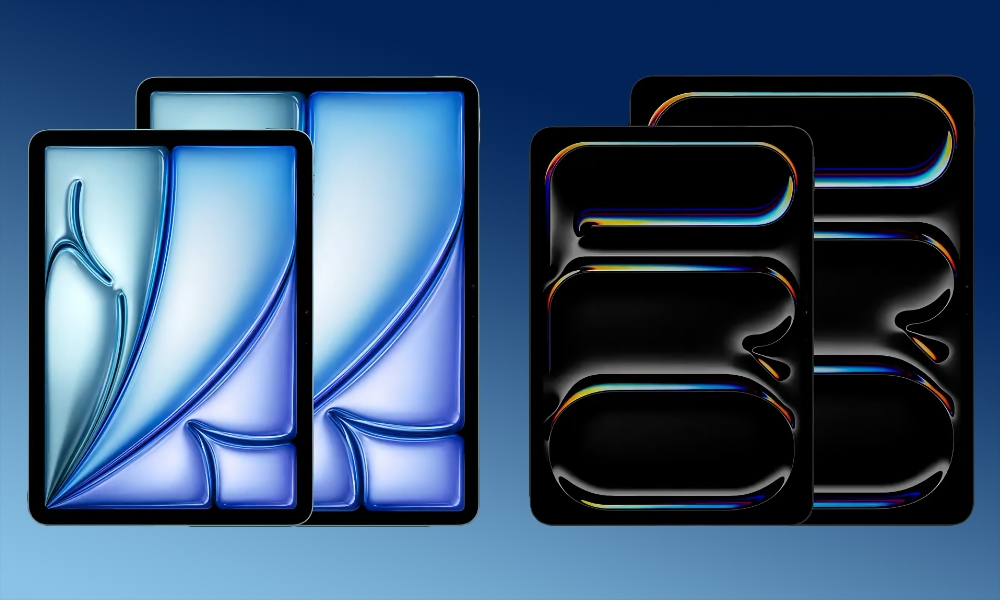
If Apple continues that trend, an M5 iPad Air will be on the schedule for March 2027, but this one could come with more than just a chip upgrade. According to South Korea’s ET News, Apple is lining up its key supplier to mass-produce OLED panels for the iPad Air by the end of the year.
Specifically, industry sources tell ET News that Samsung Display is expected to begin mass production of OLED panels no later than January 2027, which would perfectly line them up to go into the new M5 iPad Air models expected early in the year.
It’s not yet clear what the OLED transition will mean for the iPad Air, at least beyond the obvious general advantage of the technology. OLED panels offer more vibrant colors and higher contrast ratios with deeper blacks, along with faster response times, expanded viewing angles, and better power efficiency.
While the new tandem OLED displays in the iPad Pro support 120 Hz refresh rates, that’s been true for the flagship iPads from the first model that debuted in 2015 — long before Apple even switched the iPhone to OLED. Similarly, while OLED debuted on the iPhone X in 2017, it wasn’t until 2021 that 120 Hz refresh rates showed up with the iPhone 13 Pro. Despite switching to OLED in 2020, the non-Pro iPhone models didn’t gain 120 Hz displays until just last year, when Apple finally brought ProMotion to the standard lineup with the iPhone 17.
In other words, it’s entirely possible that the OLED iPad Air (and the iPad mini) could still be left with 60 Hz displays as a way of setting the iPad Pro apart. It’s tougher to predict what Apple will do here in a modern era when 120 Hz now seems like table stakes for iPhone models, but it also arguably left the standard iPhones behind on 60 Hz even as nearly all rival Android devices had long moved on to faster refresh rates.
[The information provided in this article has NOT been confirmed by Apple and may be speculation. Provided details may not be factual. Take all rumors, tech or otherwise, with a grain of salt.]