Apple Reportedly Building an Auto-Lockout Feature for Snatched iPhones

Toggle Dark Mode
Apple is reportedly working on a new iPhone security feature that will automatically lock the handset whenever it detects that it has been snatched from a user’s hand, 9to5Mac reports.
We’ve reported in the past about cases where users have been the victim of snatch-and-grab iPhone thefts. One minute the victim is looking at their iPhone, and the next second, they’re looking at the lines on their palm.

In October, iDrop News reported that thieves in London are brazenly snatching smartphones out of users’ hands on city streets in increasing numbers, with nearly 300 phones being stolen every day.

Why snatch a smartphone right out of the hands of a user instead of picking their pocket? Because, if the iPhone is unlocked when stolen, the bad actors have a much better chance of accessing the data on the device — such as banking and credit card information, cryptocoin info, photos, and more — or of disabling features like Activation Lock that make the resale of the stolen device much more difficult.
To its credit, Apple has greatly improved iPhone anti-theft measures over the years, introducing new security features like Activation Lock, Stolen Device Protection, and enhanced Find My that works even if the iPhone is off. Unfortunately, some of these features are nearly useless if the device is stolen while it is being actively used.
Now comes news from 9to5Mac that Apple is working on a new feature that will automatically lock your iPhone if the system detects that it has been snatched from your hand. Android already offers a similar feature in recent versions of the operating system, called Theft Detection Lock.
The Android feature, as well as the feature Apple is working on for the iPhone, relies on several things, including the device’s accelerometer, to detect when it has been snatched from the user’s hand. If the snatching is confirmed, the iPhone will automatically lock. The feature will also keep track of the distance of the iPhone from a user’s Apple Watch, if one is paired with the iPhone.
Apple’s “snatch detection” will also reportedly follow similar rules to Stolen Device Protection, such as checking to see if the iPhone is connected to a known Wi-Fi network and whether or not the device is in a familiar location, such as at work or at home.
If all of these checks indicate the iPhone has been snatched from a user at an unfamiliar location, the iPhone will automatically lock and restrict access to the same features blocked by Stolen Device Protection, which helps prevent an iPhone thief who has observed your passcode from making critical changes to your accounts or your device, locking you out.
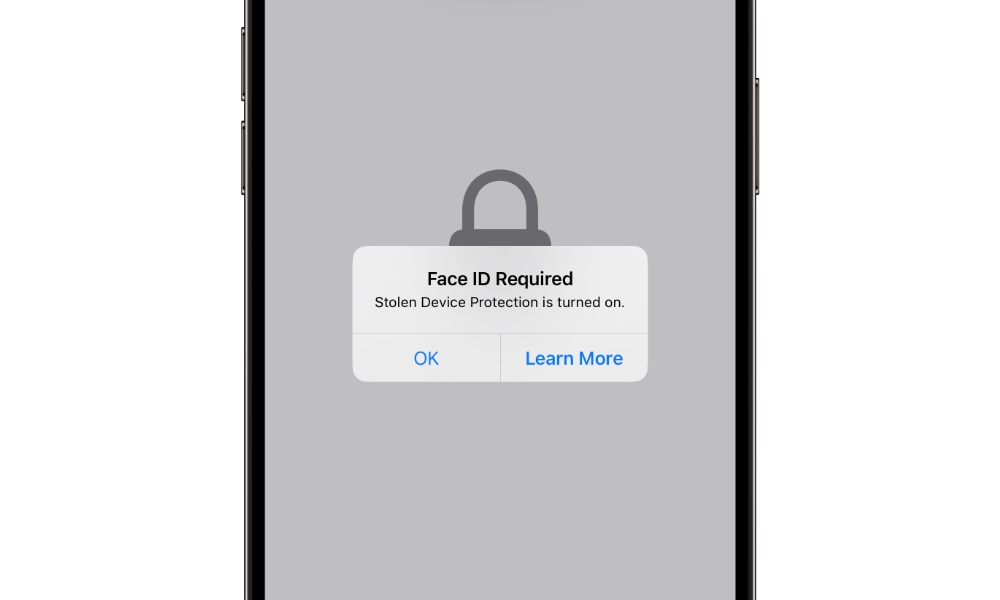
Apple’s Stolen Device Protection feature already requires Face ID or Touch ID biometric authentication for actions such as accessing stored passwords or credit card information or even opening locked or hidden apps — with no way to use a passcode. This ensures only you can access these features. Further, more critical security actions, such as changing your Apple Account password or disabling Find My, will also require a one-hour security delay followed by a second round of Face ID or Touch ID authentication.
However, while that’s enough to make an unlocked iPhone far less appealing to a thief, one key problem is that even though Stolen Device Protection was introduced in iOS 17.3 in early 2024, it wasn’t until last month’s iOS 26.4 update that it became enabled by default. This means that crooks could still play the odds that a snatched iPhone wouldn’t have these security measures in force. Plus, while Stolen Device Protection should put up the same obstacles to resale that Activation Lock has for years, it doesn’t protect every third-party app, so identity thieves might still find a goldmine of personal information, even if the device itself turns out to be as fenceable as a brick.
While no details have been provided as to when the anti-snatch-and-grab protection will be available for your iPhone, 9to5Mac says the code seen by the publication indicates the feature is under active development. It’s possible the feature could make an appearance during next month’s WWDC26 keynote address, where Apple will preview iOS 27, expected to be released to the public in the fall.