The Iris is Rising: iPhone 18 Pro Camera Enters Mass Production
Toggle Dark Mode
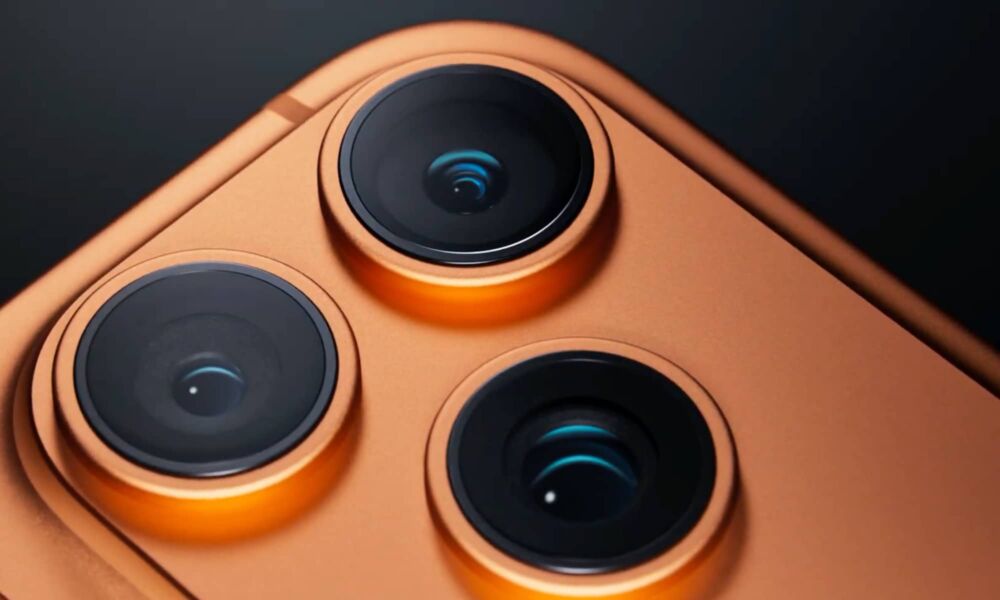
While Apple has much bigger long-term ambitions for the iPhone camera, the most significant feature we’re expecting in this year’s iPhone 18 Pro lineup is a variable aperture, and it’s looking even more likely with a new report that the components have gone into production — just in time for them to be ready to go into new iPhone 18 Pro and iPhone 18 Pro Max models on the assembly line.
South Korea’s ET News is on a bit of a roll this week, with an earlier report that next year’s iPad Air could switch to OLED being joined by another that reveals that China’s Sunny Optical has been tagged to manufacture the actuators for Apple’s variable aperture cameras, with LG Innotek expected to assemble the final camera modules early in the summer.

“The actuator manufacturer recently began component production, and LG Innotek is scheduled to start manufacturing camera modules around June or July of this year,” an industry insider is quoted as telling ET News in a machine-translated version of the report. “LG Innotek has installed dedicated equipment at its Gumi plant for the production of variable aperture cameras and is preparing for mass production.”
While the variable aperture camera has already been predicted by several reliable sources, this adds the cherry on top, confirming that the technology has moved beyond the prototyping stage into something that’s actually being manufactured to go into this year’s iPhone models.
What’s a Variable Aperture Camera?
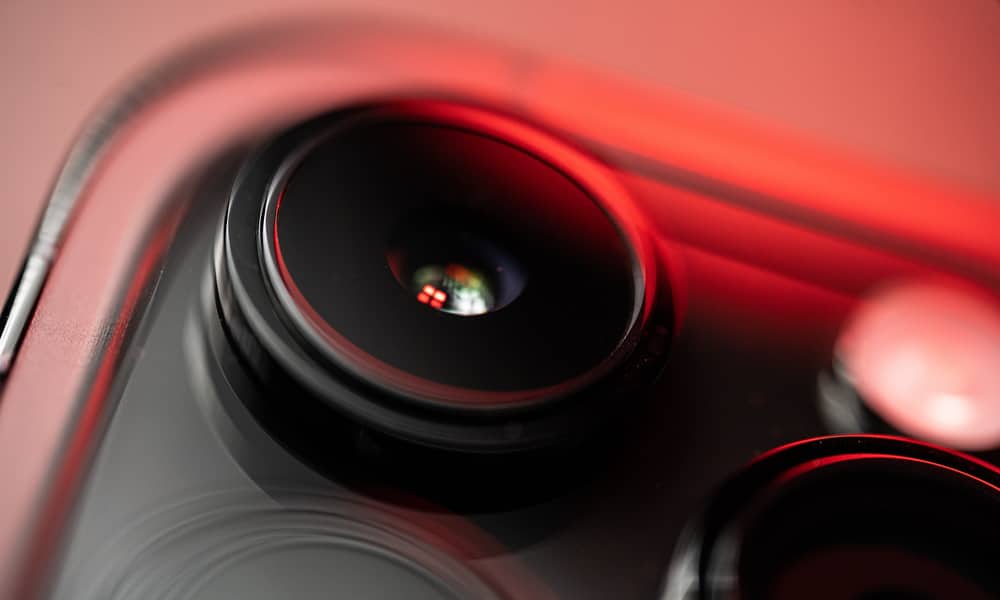
If there’s one thing we can count on in each year’s new iPhone Pro models, it’s camera improvements. Apple has consistently improved the camera system on every iPhone Pro model since the “Pro” lineup arrived with its triple-lens system on the 2019 iPhone 11 Pro and iPhone 11 Pro Max.
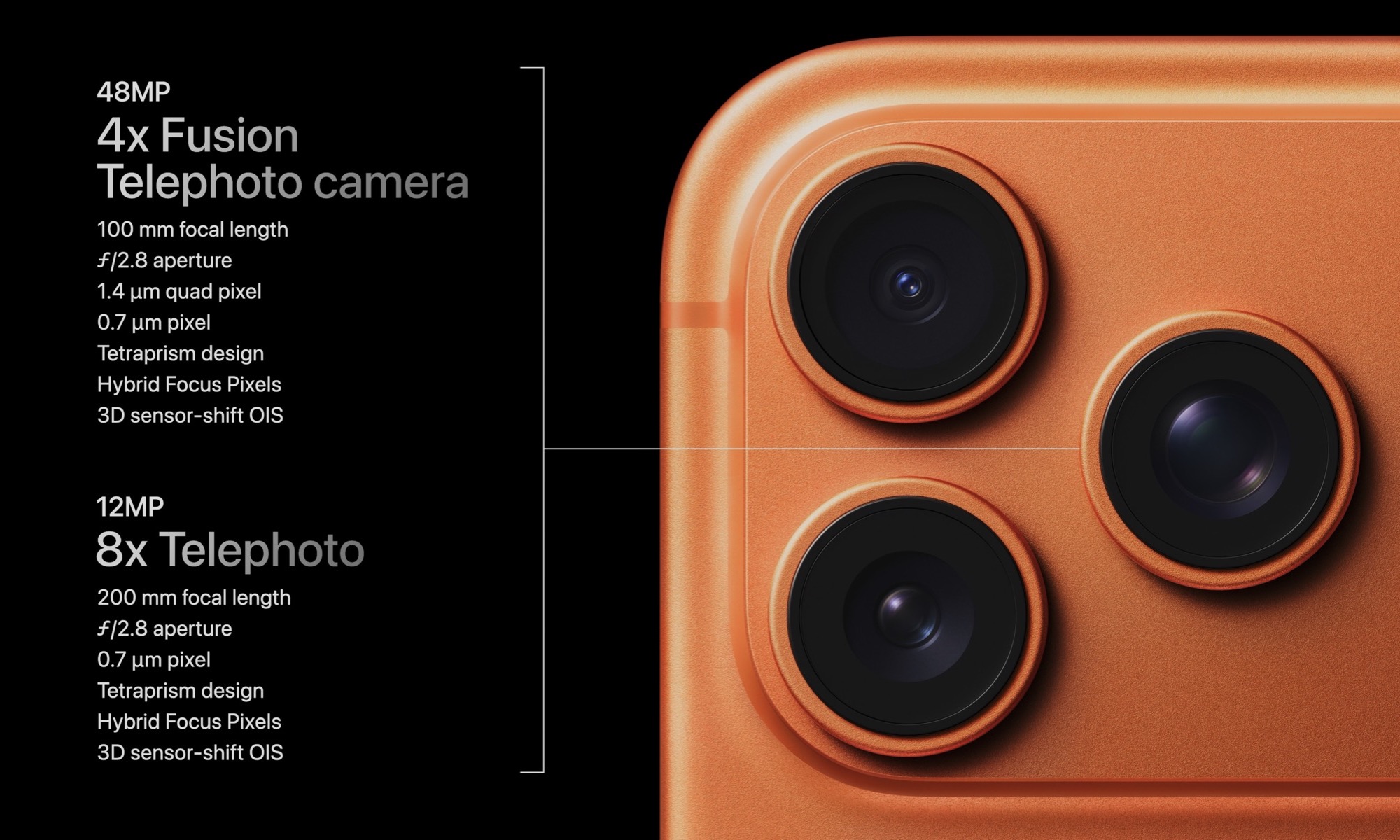
While those improvements don’t always follow an established pattern, there are always year-over-year advantages. Sometimes it’s more megapixels, such as when the iPhone 14 Pro finally moved to a 48 MP Main camera, and then the iPhone 16 Pro and iPhone 17 Pro followed suit with the Ultra Wide and Telephoto lenses. Other times it’s zoom increases, such as the boost to 2.5X on the iPhone 12 Pro Max, 3X on both iPhone 13 Pro models, and then 5X and 4X/8X on the iPhone 15 Pro Max and iPhone 17 Pro models, respectively.
However, this year’s changes likely won’t include higher megapixel counts. While Apple is still aiming for a 200 MP sensor, that’s not expected to arrive for at least another year or two. Instead, the iPhone 18 Pro’s secret weapon will be a variable aperture.
This may not sound as exciting as more megapixels or a higher zoom, especially for folks who have grown up in the world of smartphone photography. However, anyone who has ever used a “real’ camera like a DSLR or the film cameras of old can fully appreciate the value of a truly variable aperture. In fact, not being able to dial in a real f-stop to adjust for light and depth of field would be almost unthinkable to a pro photographer on a serious camera.
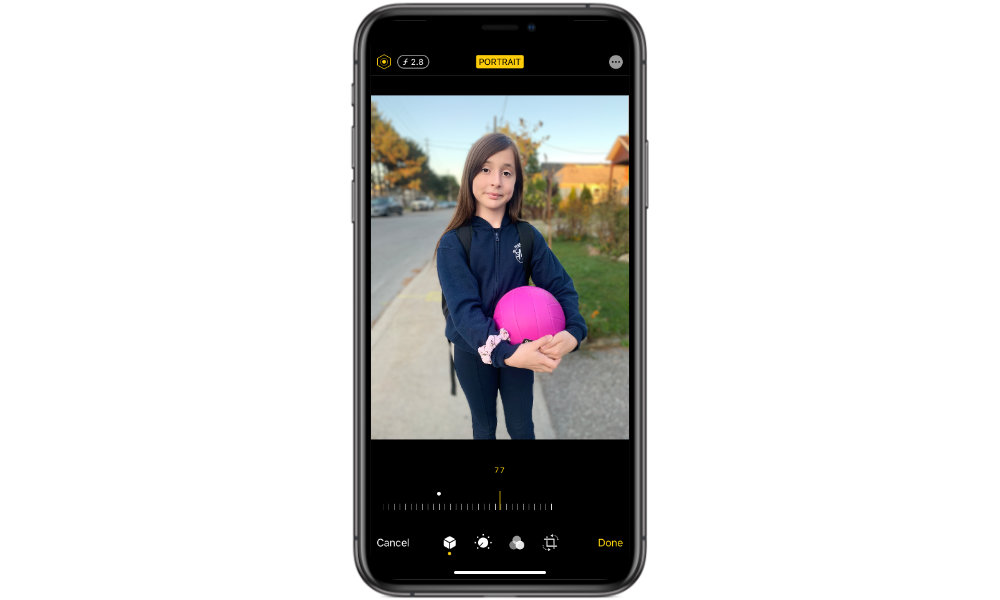
While the iPhone has done a good job of faking this sort of thing in software, it can’t compare to a true pro camera in this regard. That’s because every iPhone that’s ever been made has been saddled with a fixed aperture. You get what you get, and you don’t get upset. These apertures also differ between the three lenses. For example, the iPhone 17 Pro Max has an f/1.78 aperture for the Main camera, f/2.2 for the Ultra Wide, and f/2.8 for the Telephoto.
Since lower numbers represent wider apertures, which in turn allows for more light capture, looking at those numbers makes it easy to see why the Telephoto lens doesn’t perform as well in low-light conditions. In fact, iPhone Pro models have often switched to a digital or sensor-cropped zoom with the Main camera when the lighting conditions are too low for the Telephoto to provide a usable photo.
Lenses with lower apertures are also typically referred to as “faster,” since the ability to capture more light allows for higher shutter speeds, which in turn lets you more reliably capture moving subjects without them turning into a blurry mess.
Lastly — and this is where the iPhone software fakes it — there’s a direct relationship between aperture and depth of field. Tighter apertures (higher f-stops) offer greater focal range, allowing both foreground and background subjects to remain in focus. Lower the f-stop, and you get a Bokeh effect — the same effect Apple first introduced in software ten years ago with Portrait Mode on the iPhone 7 Plus in iOS 10.1 — and it’s appropriate that it could be the 2026 iPhone 18 Pro might bring this full circle by providing a real Bokeh for the first time ever.
The most obvious benefits here for iPhone Pro shutterbugs will be actual optical Bokeh, where you’ll no longer need to rely on software to “guess” what should be in the foreground and background. Apple’s machine learning technology has gotten a lot better at figuring these things out, but it’s still based on AI analysis and not optical physics. It would also allow for dialing down the aperture to increase depth-of-field, reduce diffractions and avoid light flares and overblown areas in extremely bright daylight settings, where the current iPhone camera system can still struggle a bit sometimes.
There’s still no word on what kind of f-stop range we’ll actually be looking at, but it’s almost certain to be exclusive to the Main camera for now. Some rumors have hinted at f/1.4–f/2.8, but it’s too early to put much weight on those. Any reliable leaks probably won’t come until LG Innotek actually starts manufacturing the modules in June or July. The iPhone 17 Pro Max currently tops out at f/1.78, but that’s not the widest Apple has ever gone; that trophy goes to the iPhone 13 Pro, which had the fastest lens at f/1.5, although it’s lower-resolution 12 MP sensor also meant it captured less light, and it’s telling that Apple switched to f/1.78 when it moved to a 48 MP sensor on the iPhone 14 Pro.
[The information provided in this article has NOT been confirmed by Apple and may be speculation. Provided details may not be factual. Take all rumors, tech or otherwise, with a grain of salt.]