Will iOS 27 Leave Your iPhone Unsupported?
 Andrew Makedonski / Shutterstock
Toggle Dark Mode
It looks like Apple may be preparing to leave a few more iPhones in the dust when iOS 27 ships later this year — at least according to a new report from well-known Apple leaker Instant Digital.
While we wouldn’t bank on this just yet, as these reports have been wrong before, we’re also only a few weeks away from Apple’s 2026 Worldwide Developers Conference (WWDC), where the company is expected to unveil iOS 27 — and the list of compatible devices along with it. That means it’s entirely reasonable for leakers and other insiders to be hearing scuttlebutt on which iPhones won’t be making the cut for the new release.

Still, Apple’s magnanimity in supporting older iPhone models is legendary. While mainstream Android handset makers like Google and Samsung have caught up — and even surpassed — Apple in recent years with seven-year promises in some cases, Apple was delivering 5-6 years of updates in an era when rival smartphones were lucky if they got two.
In fact, it’s become so common for Apple to continue supporting all previous iPhones between iOS releases that we’ve ended up with a bit of a hodgepodge of security updates for older releases that even affects watchOS for compatibility reasons. For instance, when Apple released patches for iOS 12 and iOS 15 earlier this year to update FaceTime and iMessage certificates and defend against the DarkSword vulnerability, it skipped over iOS 13 and iOS 14 simply because every iPhone that runs those can be updated to at least iOS 15.

Along the same lines, when iOS 18 was released two years ago, it supported all the same iPhones that could run iOS 17, from the iPhone XS and XR models to the then-new iPhone 16 lineup. It wasn’t until iOS 26 that those 2018 models were dropped from the list, and if Instant Digital is accurate, this year could see four more iPhone models cut off.
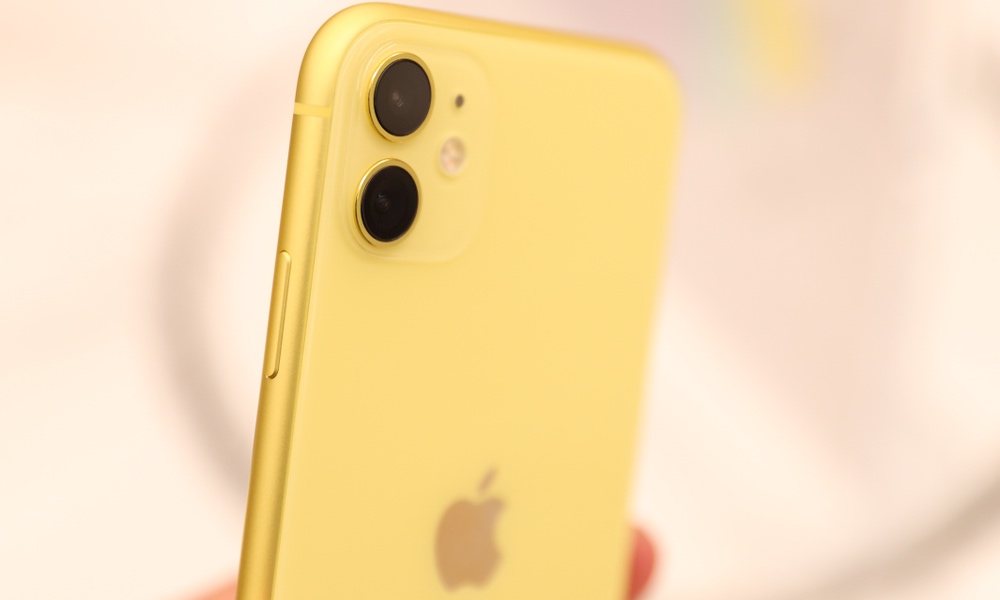
As of today, iOS 26 supports every iPhone released since 2019, starting with the iPhone 11, iPhone 11 Pro, iPhone 11 Pro Max, and the second-generation iPhone SE from early 2020.
Unsurprisingly, those are also the four models that could be getting the axe when iOS 27 arrives later this year. This makes sense, since when Apple draws the line on support in a new iOS release, it’s usually based on the silicon inside, and all four of those models share the same A13 Bionic chip, coming from an era before Apple started beefing up the silicon in its iPhone Pro models.
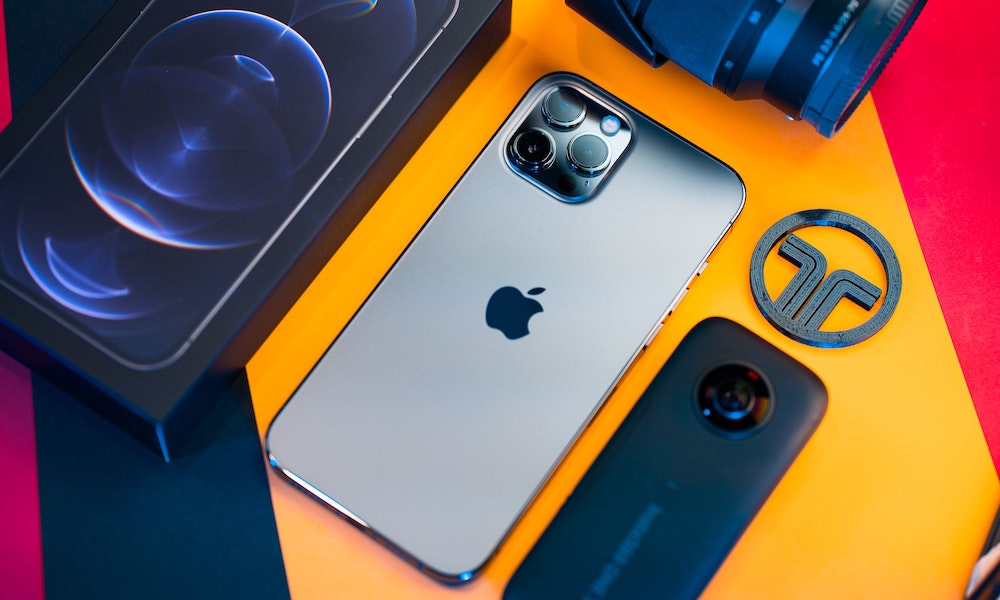
If accurate, this means that iOS 27 will require at least an iPhone 12 or later model. Despite its anachronistic look, the third-generation iPhone SE, released in early 2022, should also be supported, since it packed an even newer A15 chip — the same one found in the 2021 iPhone 13.
While Apple has been good at continuing to provide major iOS updates for older models, that doesn’t mean every iPhone gets the same features. Pre-iPhone 12 models have been left out of some features as far back as iOS 17, so in many ways it feels like even the iPhone 11 is living on borrowed time. It also goes without saying that Apple Intelligence features will continue to be limited to the iPhone 15 Pro and later, no matter what older models iOS 27 still supports.
Again, it’s not yet a certainty that these iPhones will be left out of iOS 27. Instant Digital has a decent track record, but it’s not perfect, and this is one area where it feels like Apple could still go either way.
While it might be a good time to start thinking about an upgrade — even if it’s to an older model — there’s no need to panic if your iPhone 11 still does what you need it to. Considering Apple is still pushing out security updates for iOS 15, it’s a safe bet that we’ll continue to see iOS 26 protected with similar updates for many more years to come.
[The information provided in this article has NOT been confirmed by Apple and may be speculation. Provided details may not be factual. Take all rumors, tech or otherwise, with a grain of salt.]