Siri’s New Cloud Brain May Be Powered by Nvidia
Toggle Dark Mode
When Apple unveiled “AI for the Rest of Us” at its Worldwide Developers Conference (WWDC) two years ago, it came with some pretty bold promises. While the most well-known of those was the smarter and more personalized Siri that it infamously failed to deliver on schedule, the company also promised its Apple Intelligence features would be powered by a unique cloud-based infrastructure designed with privacy as a foundational principle.
It was a brilliant idea, and while Apple never came right out and said it, the implication was that the servers powering its Private Cloud Compute (PCC) infrastructure would be powered by its own Apple silicon chips. Insider reports also backed that up, suggesting Apple was already building servers with M2 Ultra chips.
We may never know how far Apple got in deploying its PCC infrastructure, but somewhere along the way it’s seemingly come to the conclusion that as great as Apple silicon is at powering Macs, iPhones, iPads, and even on-device AI features, it’s not quite up to the heavy lifting required for cloud-based AI — at least not compared to other, more established options.
Following the rather public black eye it got by failing on its promise to deliver Siri during the iOS 18 lifecycle, Apple was forced to make some tough decisions. That included some serious housecleaning among its executive ranks, and the admission that it was going to need some outside help to pull this off.
This led to a “bake-off” between the three biggest AI players — Anthropic, Google, and OpenAI — and when the dust settled, Google’s Gemini models came out on top.
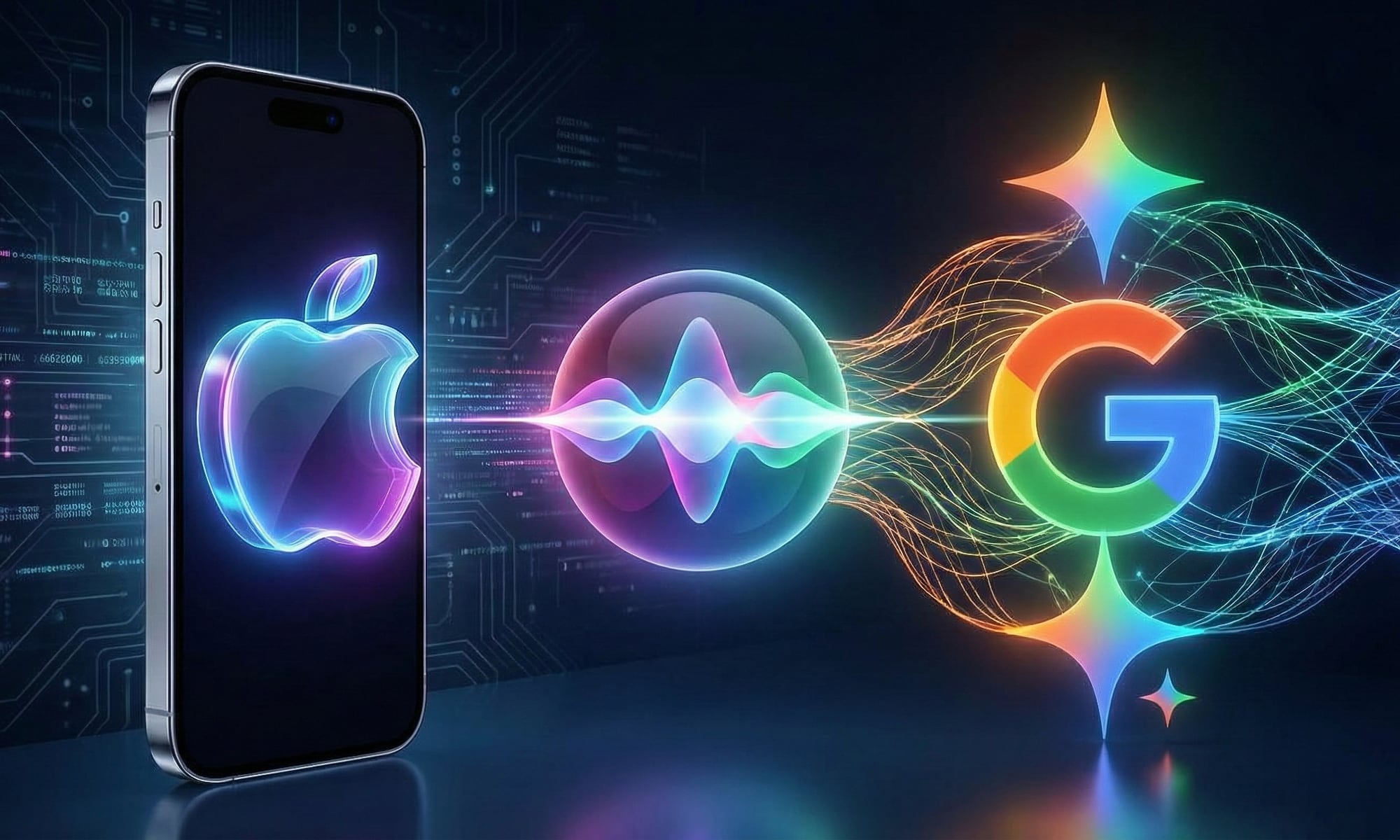
However, Apple’s January announcement of the partnership cast some uncertainty on how and where these models would actually be run. It was clear from the start that this wasn’t just a port of Gemini; Apple would still be building its own large language models — aka Apple Foundation Models — but it would be leaning heavily on Google’s foundation for its AI construction project.
There were hints from the start that some of this could also end up running on Google servers. Not necessarily in Google’s own server farms, but rather white-labeled versions that would form the “new” Private Cloud Compute.
It only made sense that anything built on Google’s AI models would run more efficiently on the architecture they were originally designed for, and there seemed to be little point in trying to shoehorn them into an Apple silicon world.
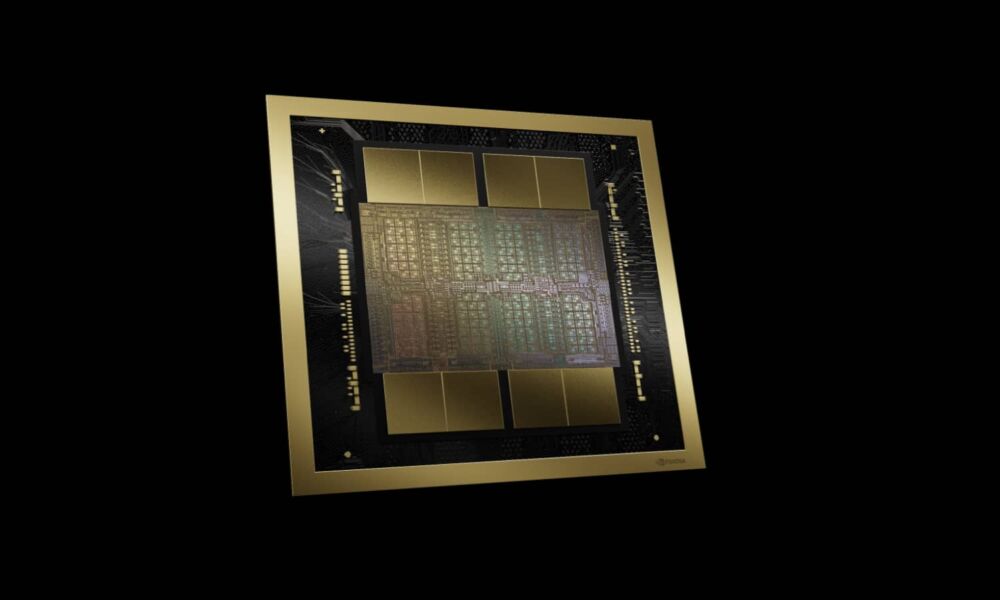
The Information has now confirmed what we’ve all been thinking: the new PCC will run not on Apple silicon, but on Nvidia Blackwell B200 chips — the same chips used by Google’s most powerful Gemini servers.
Last week, Aaron Tilley reported that while Apple plans to continue pushing forward with on-device processing wherever possible, “some user queries to a new version of Siri will run in Google Cloud on a licensed version of the search giant’s Gemini model.”
Of course, Apple isn’t going into this blindly; Tilley also reports that it tested and approved “the use of a privacy technology from Nvidia” — specifically its Confidential Computing, which encrypts data and AI models during processing.
While this differs fundamentally from Apple’s initial ephemeral PCC architecture, which involved hardened servers with no persistent storage to guarantee that AI queries would never be saved or logged, Nvidia’s system, which keeps prompts hardware-encrypted at all times, should allow Apple to keep its promise on protecting user privacy.
As such, Apple doesn’t plan to change its branding. Tilley says it’s going to stick with Private Cloud Compute, even as it moves away from Apple-designed servers. Part of the reason for this may be Apple’s view of Nvidia as a necessary — and short-term — compromise. The decision to go in this direction apparently only came “in recent weeks,” Tilley says, likely prompted by the short time leading up to its Worldwide Developers Conference (WWDC) next week, where it’s preparing to unveil the new Siri and other Apple Intelligence features.
[The information provided in this article has NOT been confirmed by Apple and may be speculation. Provided details may not be factual. Take all rumors, tech or otherwise, with a grain of salt.]