Italy Wants Apple to Let Users Choose Their Own Cloud Backup Service
 A. Aleksandravicius / Shutterstock
Toggle Dark Mode
Apple is under fire once again in the European Union, this time in an Italian case that could force it to allow iPhone users to swap out iCloud for Google Drive, Dropbox, or virtually any other cloud provider.
In a statement on its website earlier this week, Italy’s competition regulator, AGCM, announced that it’s launched a formal investigation into Apple under the EU’s Digital Markets Act (DMA) “on the interoperability of Apple’s designated operating systems iOS and iPadOS with alternative consumer clouds.”
It’s not the first time Apple has come under fire from the AGCM — and not even a first for iCloud. In 2018, the Italian regulator fined Apple millions in the “BatteryGate” scandal, and in 2020 it slapped Apple with a $12 million fine over falsely advertising iPhone water resistance. That same year, AGCM also began looking into “improper commercial practices” by Apple, Google, and Dropbox in a broad investigation that covered everything from platform lock-in to “unfair clauses in contract conditions.”
However, now that the DMA is in full force, Italian regulators have a much stronger card to play in this case, and the AGCM is specifically accusing Apple of noncompliance with the interoperability requirements of the European legislation.
Pursuant to Article 6(7) of the DMA, Apple must ensure that third-party providers of consumer cloud are granted free and effective interoperability with the iOS and iPadOS operating systems and are given access under equal conditions to the same hardware and software features as those available to Apple’s iCloud.
AGCM
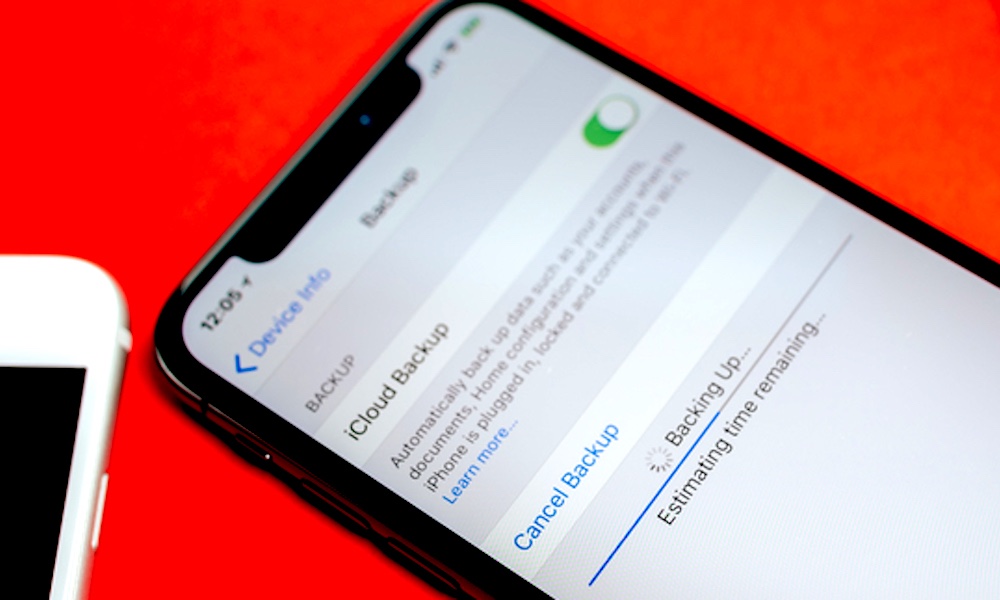
The Italian Competition Authority’s press release goes on to explain that third-party providers are disadvantaged compared to iCloud as they can’t access many of the same features, such as using them “to perform a full backup of their devices’ data.”
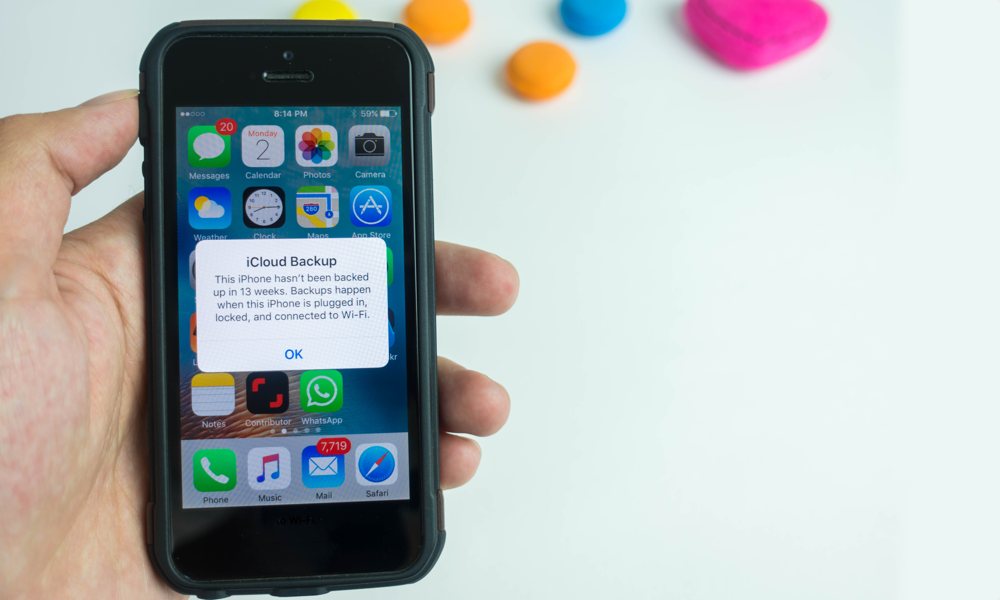
In this case, it appears that the AGCM won’t be pursuing legal action as a result of this investigation; rather, it’s simply doing the legwork to bring a final recommendation to the European Commission “to support it in its role as sole DMA enforcer.”
This is the latest salvo in Europe’s battle to ensure that Apple can’t give any of its own services a leg up on its competitors. While the DMA initially brought big changes to the App Store in Europe in 2024, that was just the tip of the iceberg for a piece of legislation that’s much further reaching.
A year later, the European Commission insisted that Apple begin opening up connectivity features to third-party hardware makers, ensuring that rival smartwatches, earbuds, styluses, and other products could function with the iPhone as seamlessly as the Apple Watch, AirPods, and Apple Pencil.
In response, Apple pointed to security and privacy abuses by Meta and other companies, suggesting that more new features might have to skip the EU entirely. We’ve already seen that play out with iPhone Mirroring and SharePlay, which remain unavailable in the EU, and last week the new Siri AI also joined that group, with Apple and the EU seemingly at a stalemate due to the DMA’s requirement that any other AI chatbots — from Meta to ChatGPT — would need to have the same unfettered access to personal data on users’ iPhones that Siri now enjoys in the iOS 27 betas.
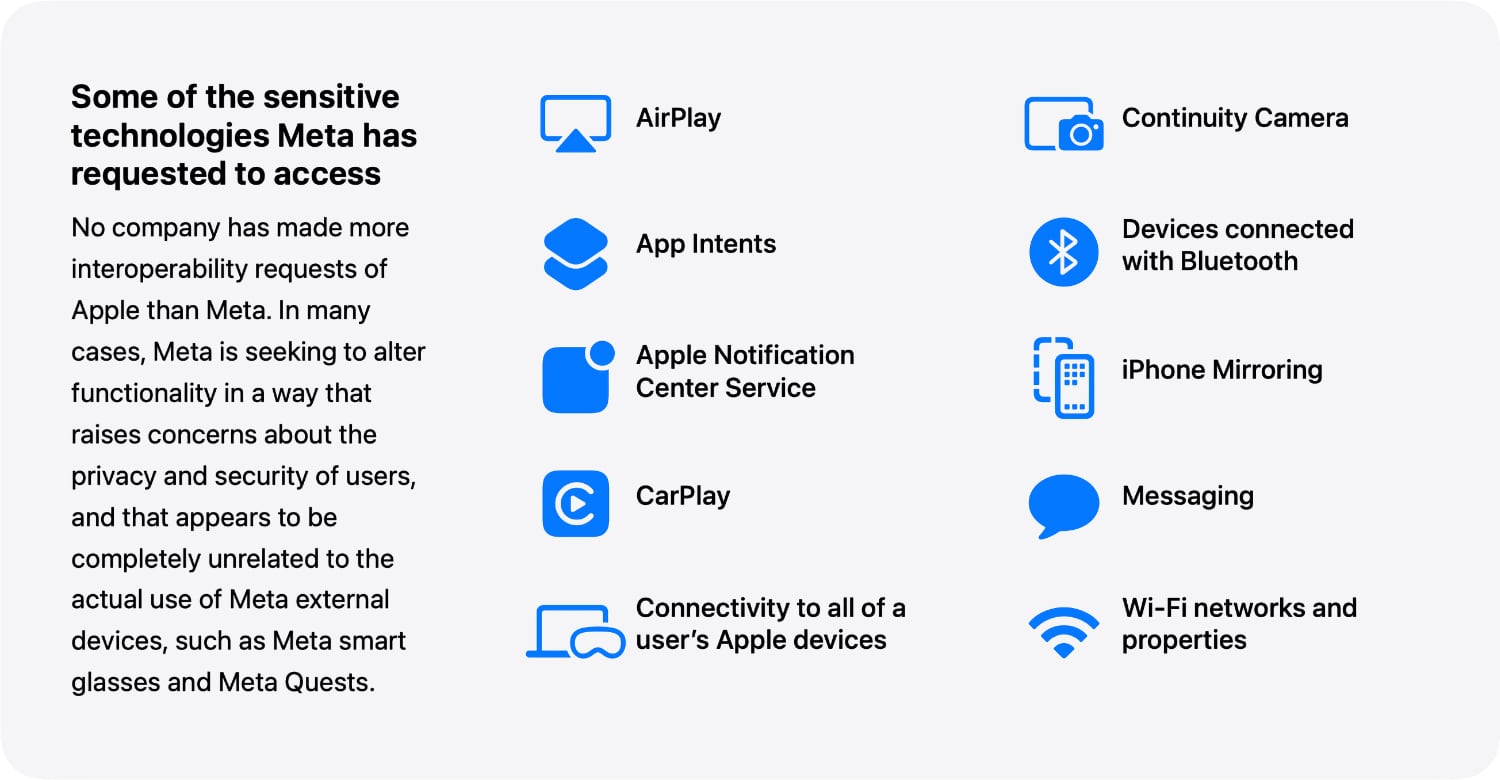
There’s plenty of room for debate on whether Apple should be acting as a privacy gatekeeper for its iPhone customers as opposed to letting them choose potentially riskier alternatives. After all, nobody who’s paid any attention to Meta’s unsavory privacy practices should even consider installing a Meta AI chatbot that can hoover up everything on your iPhone — something it’s been insidiously trying to do for years. However, the European Commission’s position is that if people want to shoot themselves in the foot, Apple should be willing to provide the ammo.
Nevertheless, the issue of cloud storage providers seems to be far more straightforward, especially since there’s a direct financial incentive involved. Apple will undoubtedly try to argue that iCloud is the safest and most private way to store data — and it’s not wrong, especially with the advent of Advanced Data Protection — but the counterargument is that this should also allow the value of iCloud to stand up to scrutiny in a world where other options are available.
After all, how many folks would stop paying for iCloud storage in a New York minute if they could back up their iPhone to another storage service — especially one they may already be paying for? For that matter, perhaps opening up this kind of competition would force Apple to finally get with the times and begin offering more than 5 GB of free storage to iPhone users.