The Price of Privacy: Meta’s Ray-Bans are Watching More Than You Think
 RareStock / Adobe Stock
Toggle Dark Mode
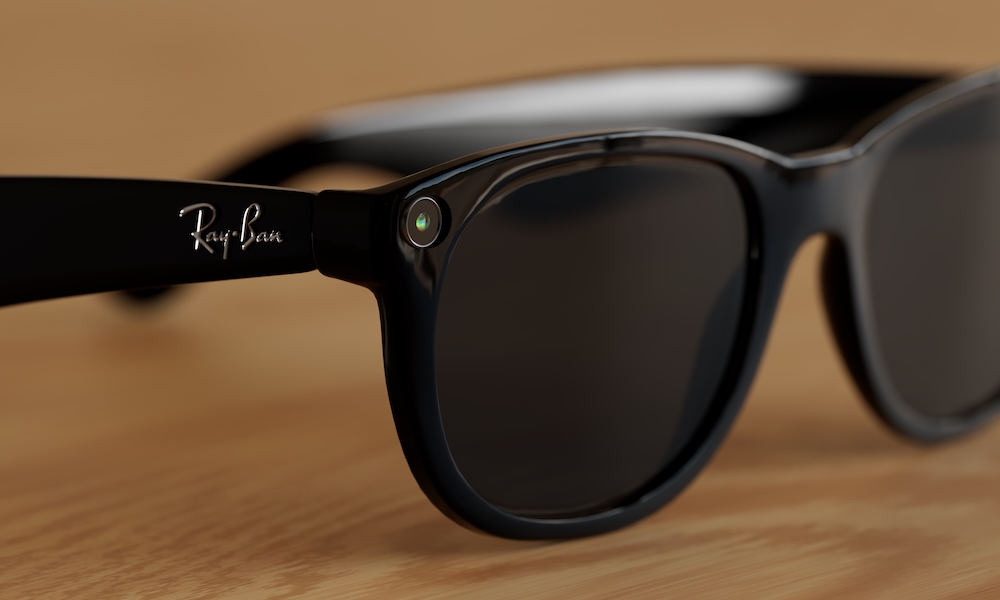
Despite suffering a minor glitch during CEO Mark Zuckerberg’s live product demo, Meta’s Ray-Ban Display glasses are gaining popularity. Ray-Ban maker EssilorLuxottica reported selling more than 7 million pairs of the AI-powered glasses in 2025, up from the 2 million sold in 2023 and 2024 combined.
It’s a popular enough product category that it’s inspired Apple to put a more lightweight version of the Vision Pro on hold and focus on launching its own smart glasses in 2027.
Still, despite their success, Meta’s Ray-Ban AI glasses have sparked controversy on multiple fronts. Pay attention, because these issues impact you whether or not you own a pair of these glasses.

Recorded Videos Sent for Offshore Data Labeling
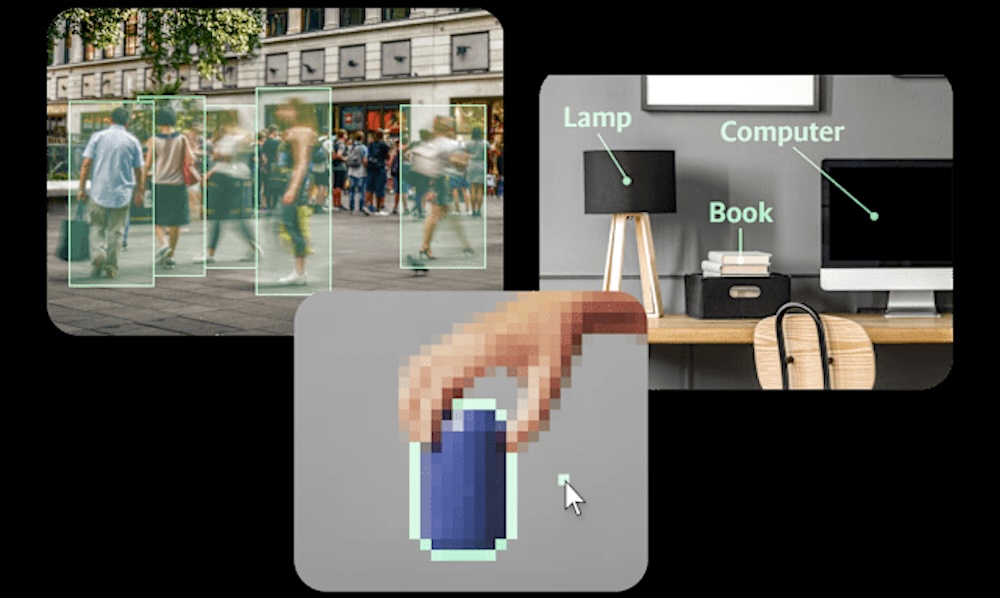
Employees of Meta’s subcontractor, Sama, in Nairobi, Kenya, recently told Swedish newspapers the shocking truths of what their work entails. Their job is to watch and label videos recorded by Meta Ray-Ban AI glasses users so they can be used to train future generations of the product, often in ten-hour shifts.
On the screens they draw boxes around flower pots and traffic signs, follow contours, register pixels and name objects: cars, lamps, people. Every image must be described, labelled and quality assured.
All to make the next generation of smart glasses a little more intelligent, a little more human.
Sounds harmless, right? Think again. The recorded videos are from Meta customers. The consent for this type of activity is nebulously embedded within the Terms of Use for Meta’s AI services — and it’s not optional if you want access to any AI features. In some cases, users may not even be aware their glasses are recording video.
The workers in Kenya say that it feels uncomfortable to go to work. They tell us about deeply private video clips, which appear to come straight out of Western homes, from people who use the glasses in their everyday lives.
Several describe video material showing bathroom visits, sex and other intimate moments.
Sama employees know they are handling sensitive information. Workers cannot have their personal devices and there are “cameras everywhere.” The nature of the work is regularly pulling back the curtain on people’s private lives, seeing everything from naked bodies and sex to credit cards. It’s the nature of the job. “You are not supposed to question it. If you start asking questions, you are gone.“
Facial Recognition
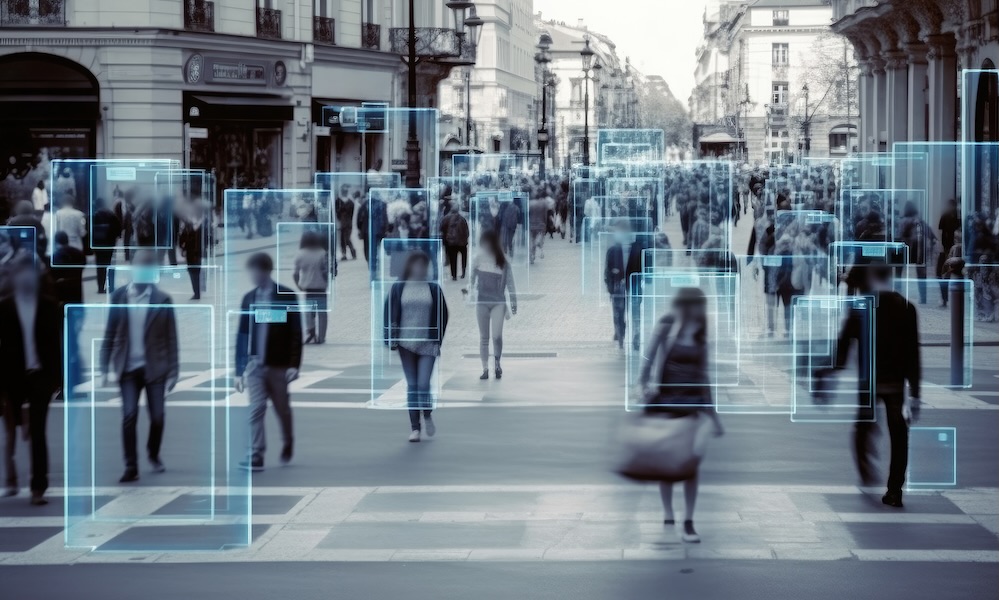
Meta also plans to add facial recognition technology to its glasses. The feature, referred to within Meta as “Name Tag,” was deliberately scheduled for a time during which Meta believed civil rights groups would be too occupied with other agendas to step in. The New York Times quoted an internal document from Meta which stated, “We will launch during a dynamic political environment where many civil society groups that we would expect to attack us would have their resources focused on other concerns.”
However, Meta appears to have underestimated the response. A few days ago, a coalition of 75 local, state, and national organizations, including the ACLU and Women’s Bar Association of Massachusetts, sent an open letter to Meta CEO Mark Zuckerberg highlighting concerns about the threat “Name Tag” poses to privacy and civil liberties:
People should be able to move through their daily lives without fear that stalkers, scammers, abusers, federal agents, and activists across the political spectrum are silently and invisibly verifying their identities and potentially matching their names to a wealth of readily available data about their habits, hobbies, relationships, health, and behaviors.
Where Do You Stand?
Are you willing to hand over your private videos in exchange for Meta’s or any other company’s latest tech? Do you think powerful facial recognition tools should be placed in the hands of any user that can afford it? We may have been able to brush aside these concerns or sweep them under the rug in the past because they were more speculative than reality. That time has passed. The question remains as to whether or not privacy as we know it can exist in the age of AI and other modern technologies. We’ll be watching this closely — and you should, too.