Judge Greenlights Apple’s $250M Siri Lawsuit Settlement
Toggle Dark Mode
Apple is finally poised to deliver on the promise it made for a much-improved Siri two years ago, but the company still has to pay the piper for making some iPhone 16 buyers sweat it out.
When the iPhone maker unveiled Apple Intelligence during its 2024 Worldwide Developers Conference (WWDC), it showed off a suite of new generative AI tools that would help users write text, generate images, summarize articles, and more. However, those were just Apple’s take on things that its competitors were already doing. The real star of the show that piqued everyone’s interest was “Siri 2.0” — an upgrade that would turn Apple’s 13-year-old tool into a real voice assistant.
On the virtual stage, Apple demonstrated how Siri would integrate with ChatGPT to answer real-world questions, and, even more impressively, dig through the apps on our iPhones to piece together emails, messages, calendar appointments, and more to answer questions about our lives, much like a real human assistant would.
It was a carefully scripted, pre-recorded demo, but even as Apple slowly rolled out the rest of its AI features in iOS 18 point releases, from Writing Tools and Clean Up to Image Playground and Genmoji, it ultimately failed to deliver the smarter Siri, making a rare public announcement that it’s “going to take us longer than we thought,” and leaving some to wonder if it ever truly existed, or was merely smoke and mirrors from the start.
While Apple is redeeming itself with iOS 27, delivering a surprisingly capable new Siri AI even in the early betas, a group of users has successfully argued that Apple overpromised and underdelivered for all those folks who bought into Apple Intelligence in the iPhone 16 era.
Within weeks of Apple’s admission that the new Siri wouldn’t be coming in iOS 18, a class-action lawsuit arrived, accusing it of falsely advertising “advanced AI capabilities” that weren’t there at launch.
Although the lawsuit focuses on Siri, it cites other Apple Intelligence features as examples of Apple’s misleading marketing, noting that even basic features like Writing Tools didn’t arrive until iOS 18.1 in October — a month after the iPhone 16 went on sale.
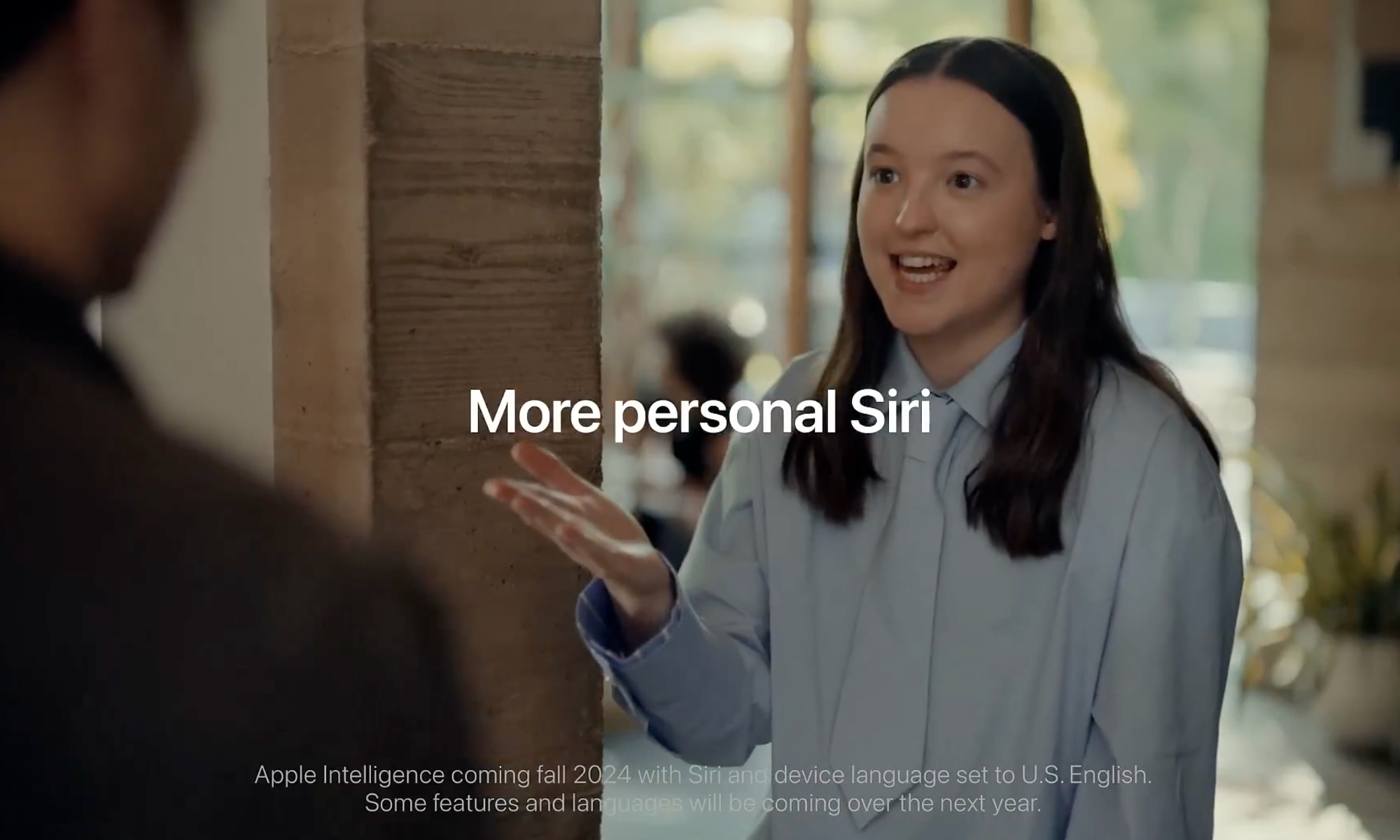
The crux of the complaint isn’t just that Apple advertised these features, but that it overpromoted them as reasons to buy an iPhone 16. “Apple’s advertisements saturated the internet, television, and other airwaves to cultivate a clear and reasonable consumer expectation that these transformative features would be available upon the iPhone’s release,” the original complaint read, later adding that it also “failed to retract” ads for Siri in a timely manner, a “widespread deception” that it claims harmed consumers.
Apple initially fought the case, because that’s what high-priced corporate lawyers do. It called out the lawsuit as being more about impatience than missing AI features, while noting that more than 20 out of the 22 promised features had indeed rolled out by the time the suit was filed, with only Siri and the related App Intents features delayed.
However, somewhere along the way Apple decided it was easier to settle than continue fighting the case. In March, it agreed to pay $250 million to make the case go away. As with all such settlements, it denied any wrongdoing.
That tentative settlement has now been provisionally approved. In a filing this month in the US District Court for the Northern District of California, Judge Noel Wise has greenlit the case to proceed to a final hearing on September 29, 2027 (yes, that’s a seven — unless there’s a typo in the court filing, which seems highly unlikely, the final hearing is still over a year away).
When the dust settles, folks in the United States who purchased an Apple Intelligence-capable iPhone between June 10, 2024, and March 29, 2025 — an iPhone 15 Pro, iPhone 15 Pro Max, or any iPhone 16 model — will be eligible to receive between $25 and $95 per affected device, depending on the number of people who actually submit claims.
There’s no process yet to submit claims, but we expect to see a typical claims website set up before the summer is over, as Judge Wise’s ruling directs that the “Notice Program will commence no later than forty-five (45) days from the date of this Preliminary Approval Order,” which sets the deadline at August 31, 2026. We’ll keep you posted.