Everything We Know About Apple’s Foldable iPhone
 AI-generated concept image of a foldable iPhone [iDrop News / AI]
Toggle Dark Mode
It’s official: Apple will hold its annual iPhone event on Wednesday, September 9. Officially, the upcoming “Surprise and Shine” event is a mystery, as Apple hasn’t really confirmed what it will showcase during its presentation. It never does.
With that said, we already have a pretty clear idea as to what the company might announce during this event. Thanks to leaks and rumors, we know that the iPhone 18 Pro models are coming, while the base iPhone 18 and “iPhone Air 2” won’t launch until early 2027.

Of course, we also know about the big foldable elephant in the room. We’re talking about the so-called “iPhone Ultra” — Apple’s first foldable iPhone. This device will surely take center stage and change the way we use and think about the iPhone.
The best part is that we already have a pretty good idea of what this new iPhone will bring to the table. Here’s what all the rumors about the upcoming foldable are saying.
“iPhone Ultra” Might Not Be the Official Name
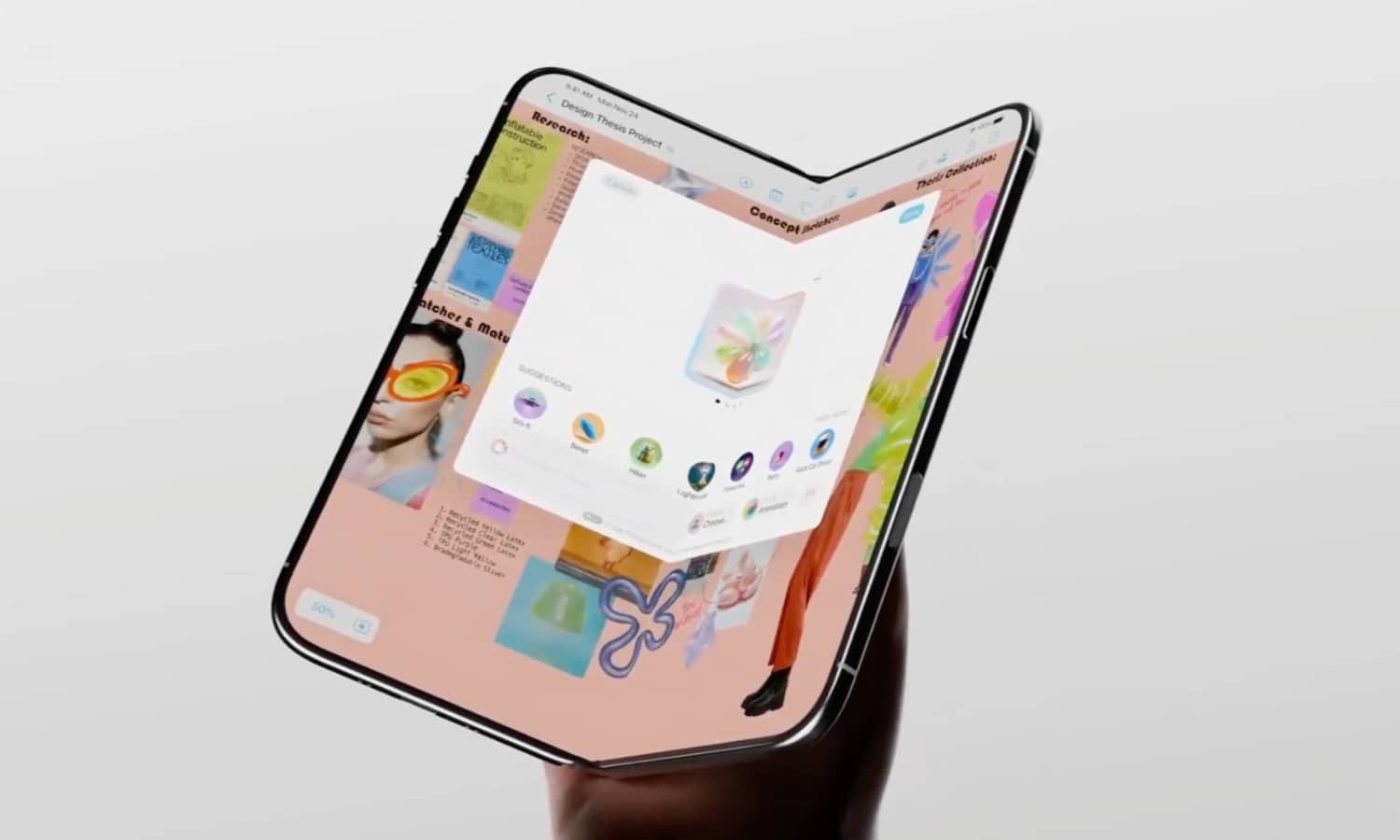
The name is one of the things that leakers can’t make up their minds about. For years, everyone has simply called the device the foldable iPhone or “iPhone Fold” because Apple hasn’t provided anything official. Again, it never gives these things away, and it’s especially good at keeping product names under wraps.
Still, iPhone Ultra feels like it’s become a serious possibility. If you’ve been an Apple fan for a few years, you’ve probably heard of the “iPhone Ultra” name, as it was once rumored to be Apple’s highest-end phone, surpassing even the iPhone Pro Max model. That iPhone never arrived, but some people believe it will instead be the name of Apple’s first foldable device.
The name would make some sense. Apple already uses Ultra for the Apple Watch model that’s more powerful (and expensive) than its standard model, so the company could use the same name this time around.
It would also help distinguish this foldable model from a normal iPhone. Apple will probably position this device as an entirely new high-end category, and the “Ultra” name could reflect that.
Still, don’t become too attached to the name just yet, as we’ve heard this rumor before — and there are plenty of reasons for Apple to avoid the name. Apple could just easily call it the “iPhone Fold” or something completely different.
Expect a “Passport-Style” Foldable Design
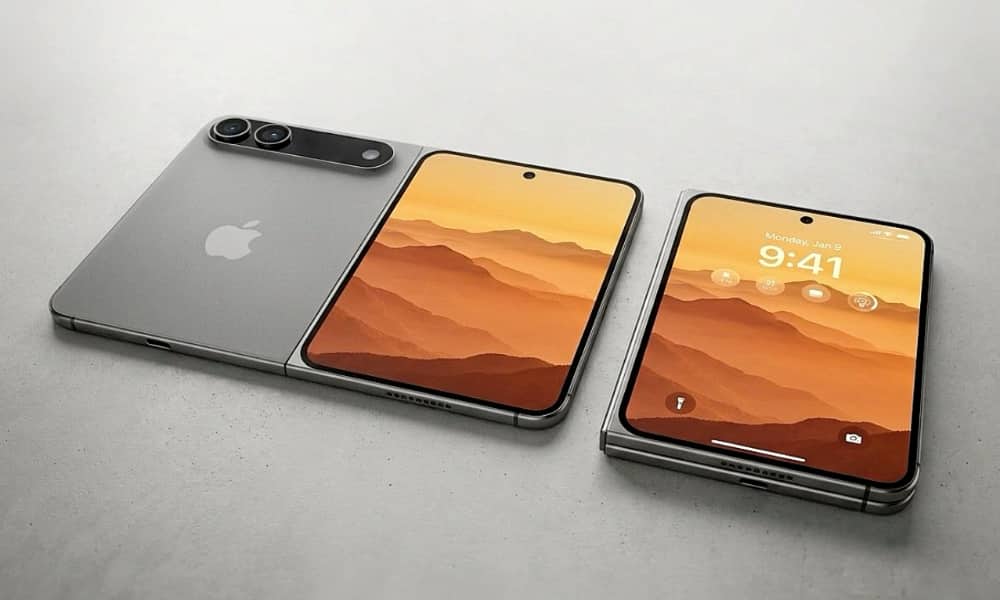
One reason we haven’t seen a foldable iPhone is that Apple reportedly experimented with several types of folding devices before deciding on the right size to release. At one point, we even heard rumors suggesting that the company was testing a clamshell-style iPhone similar to Samsung’s Galaxy Z Flip.
Now, however, the design is completely different; Apple has apparently settled on a book- or passport-style fold, similar to the Samsung Galaxy Fold 8 that Samsung launched a few weeks ago.
If true, the design when closed would be a shorter iPhone with a display that would be small enough to control with just one hand. When you open it, though, you’d get a larger, wider screen that would turn your iPhone into a small tablet.
As we’ve seen with Samsung, the wider display will be great for some things, like reading or watching movies, and a bit suboptimal for stuff like browsing social media apps (albeit, you’d probably be able to hold it in landscape mode in those circumstances).
The iPhone Might Feature Two Very Different Displays
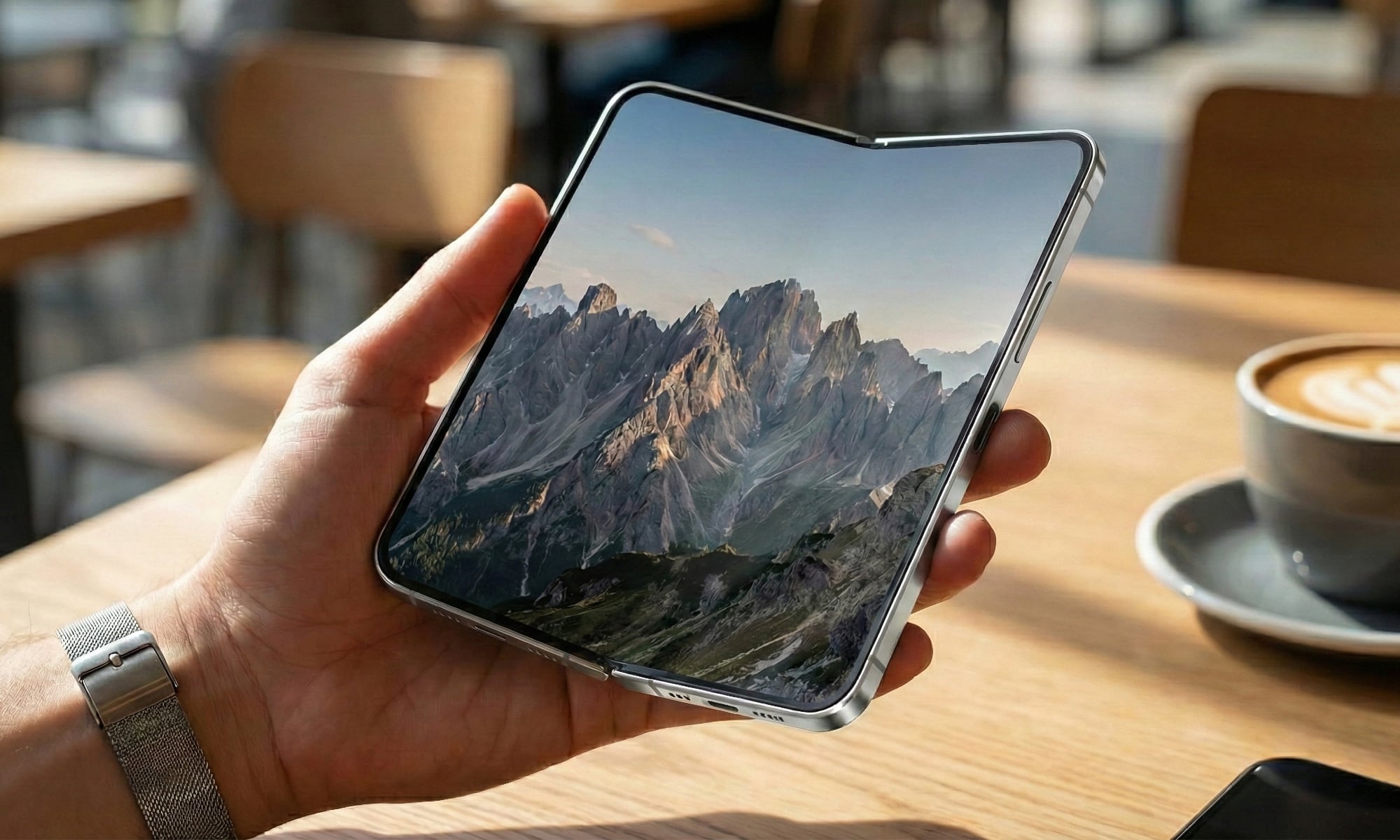
Despite having different leaks for a lot of stuff, the screen sizes have been pretty similar across the board.
On the outside, Apple is expected to use a display of around 5.5 inches. That’s relatively small by modern iPhone standards, but it should be large enough for normal tasks when you don’t feel like opening the device. Plus, controlling your iPhone with just one hand will be completely easy, even if you have smaller hands.
But as you can expect, the real magic happens once you open the phone. Many reports consistently point toward an internal OLED display of roughly 7.8 inches. That puts it close to the size of an iPad mini that you can literally put in your pocket.
As we mentioned, this will be a wider foldable device than what you currently see in the market. The inner screen is expected to use a 4:3 aspect ratio. This wider shape could make websites and documents feel much more natural than they would on a stretched smartphone display. It would also make multitasking easier across the board.
Rumors say that Apple was in charge of developing this display, so you can expect a pretty solid screen, even for a first-generation device.
This Could Be the Thinnest iPhone Ever
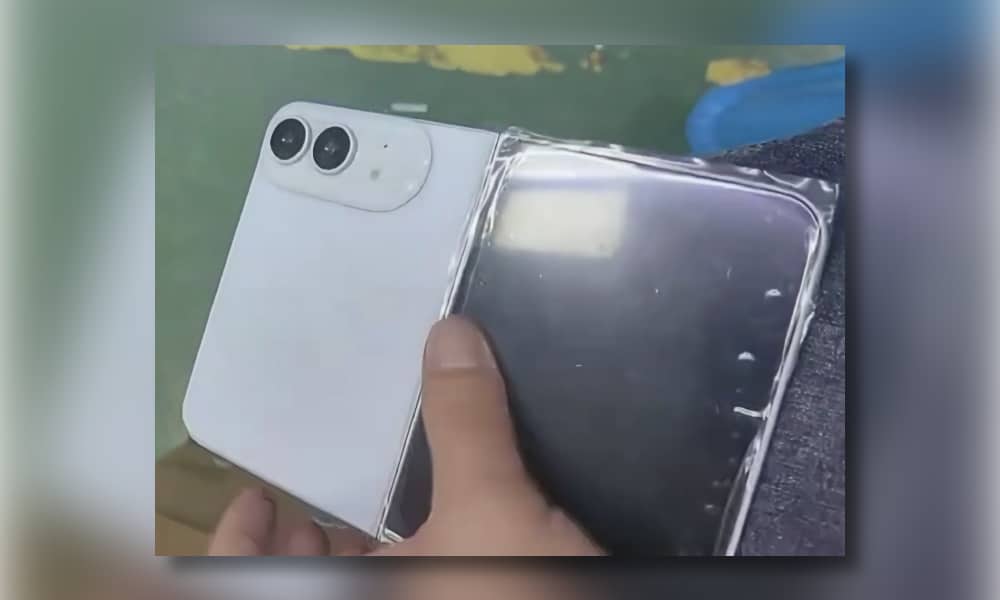
If rumors are true, the iPhone Air will lose its whole gimmick. Apple’s foldable iPhone could measure around 4.5mm when completely opened. For comparison, the iPhone Air is 5.6mm, and the 13-inch iPad Pro is 5.1mm. Fold it closed, and you’re reportedly looking at something around 9mm to 9.5mm thick.
That’s still thicker than a regular iPhone, but perhaps not by as much as you’d expect from a device containing two display sections and a complicated hinge.
Of course, that size will come with its fair share of compromises, especially in the camera department. But we’ll talk about that in just a moment.
Touch ID Could Make A Surprising Comeback
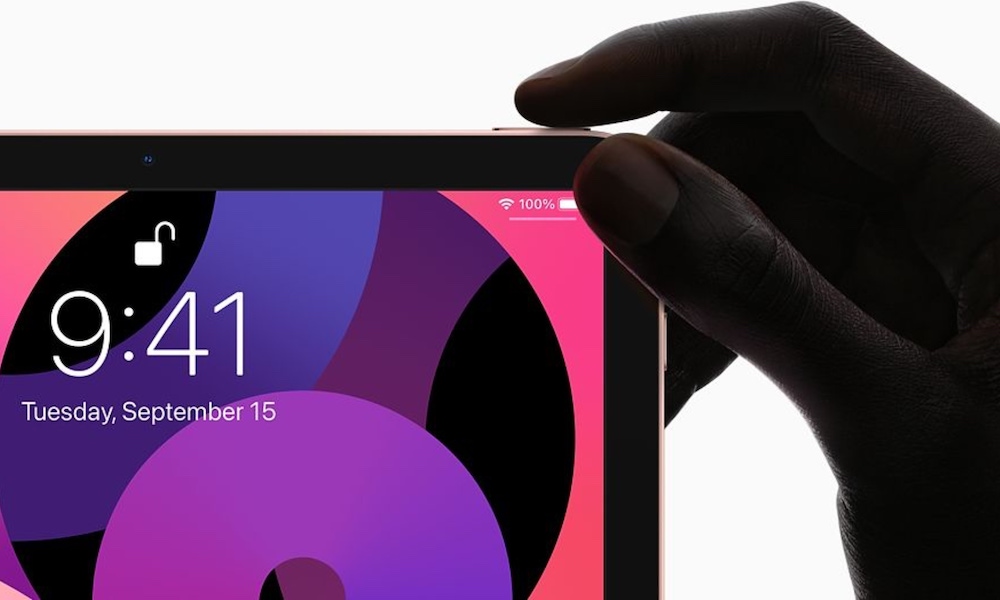
This is one of the compromises that we were talking about, albeit some people will love this change. Perhaps one of the weirdest rumors is that Apple’s most expensive iPhone may not have Face ID at all.
Instead, the company is expected to put Touch ID inside the side button. This is similar to what Apple already does with certain iPad models. The reason is simple: Apple doesn’t have enough space.
Face ID requires several components behind the display. Those parts are harder to fit when each half of the device must remain extremely thin. Instead, a fingerprint sensor built into the power button takes up way less internal room while still providing biometric authentication.
This would mark the first time in years that Apple’s flagship iPhone lineup relied primarily on Touch ID. Some people will love it, while others might shy away from this iPhone, especially because removing Face ID from a device expected to cost more than $2,000 would be a significant change.
The Cameras May Be One Of the Biggest Downgrades
This will probably be one of the biggest downsides of the new iPhone Fold, at least if the rumors are true.
Many reports point out that, instead of the three-camera system you see on the highest-end iPhones, Apple will use a dual-camera setup. Rumors say the iPhone Fold will feature a Wide and Ultra Wide camera, each at 48 MP, keeping the Telephoto lens as a Pro-exclusive feature.
Just like Face ID, the reason behind this decision is probably physical space. With the two displays, Apple doesn’t have enough room for a third camera on this iPhone. Of course, that isn’t that shocking, as many current fold smartphones have to sacrifice their camera systems in order to have a high-performing device with a decent size and thickness for regular use.
The good news is that we will apparently get two front-facing cameras, making it easier to take selfies while the iPhone is opened or closed.
Still, if you buy an iPhone to take high-quality pictures, the foldable iPhone won’t be for you, which is good to some extent, as you’ll save up some money.
Battery Life May Be Better Than You’d Expect
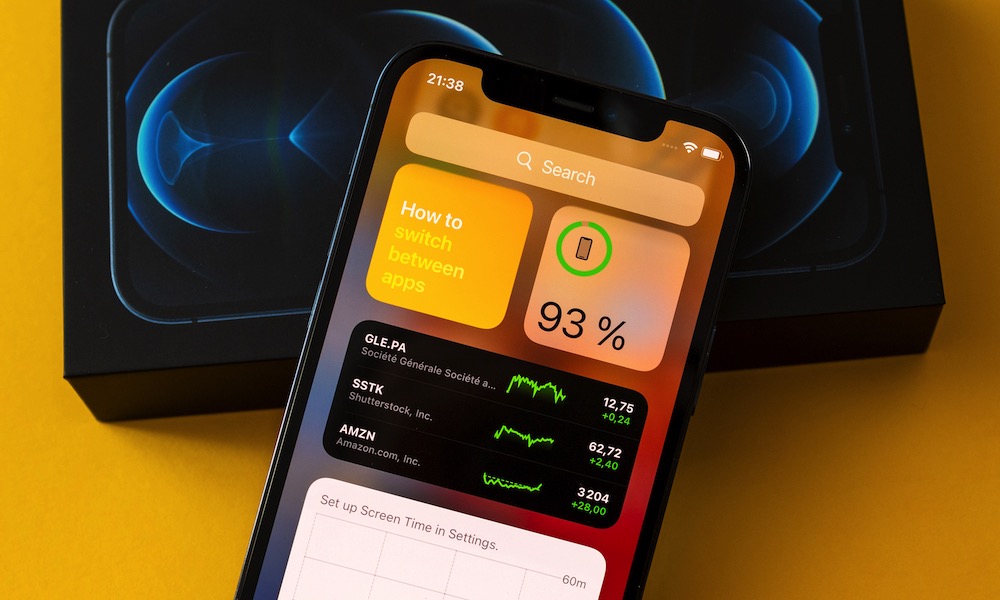
A 7.8-inch folding OLED needs plenty of power, and the thin chassis doesn’t leave much room for a traditional battery. Luckily, battery life might not be an issue.
Apple has reportedly spent considerable effort improving efficiency throughout the device. The folding display uses newer components designed to consume less power, while the A20-series processor should benefit from its newer manufacturing process.
Besides these improvements, the battery will probably be quite big. Recent rumors suggest a battery capacity of around 5,400mAh to 5,800mAh. If accurate, that would give the new foldable one of the largest batteries Apple has ever installed in an iPhone.
Of course, battery size is not all that matters. But with the new chip, a large battery and iOS 27, we might be looking at the best battery on an iPhone so far.
Apple Is Also Focusing on Software Improvements
Making a folding iPhone isn’t particularly useful if iOS simply stretches existing apps across a larger display. Fortunately, that doesn’t seem to be the case.
Apple is reportedly developing software changes that make better use of the unfolded screen. Apps should be able to resize as you move between the outer display and the much larger internal panel.
Additionally, multitasking is expected to be possible on the foldable iPhone. We don’t know the extent of it, but you should at least be able to use two apps in Split View, as you can do on an iPad, which would be the first time we see this on an iPhone.
Of course, first-party apps should work flawlessly, but third-party developers will probably get the tools to optimize their apps to the foldable display.
Now for the Bad News: The Price
This probably won’t surprise anyone, but Apple’s first foldable is expected to be very expensive. Analysts estimate that the iPhone Ultra will cost at least $2,000. Some reports have pushed the likely starting price toward $2,300 or even $2,500.
Of course, the more storage you want on your iPhone, the more expensive it’ll be, but this price range puts this smartphone in the territory of Apple’s most expensive MacBook Pro models.
Unfortunately, out of all the rumors on this article, this is the most likely to be true, as foldable devices are pretty pricey. Plus,the ongoing shortage of RAM and memory chips is increasing the prices of all Apple devices across the board.
Samsung prices its Samsung Galaxy Fold 8 at $1,899.99 for the base model, while the Galaxy Fold 8 Ultra starts at $2,099.99, so we expect Apple to use a similar price for its first-generation foldable iPhone.
Apple’s Foldable iPhone Is Almost Here
After years of rumors and speculation, the first-ever foldable iPhone is closer than ever. We’ll only have to wait a few more days until we see everything that this new device will bring to the table.
Of course, we already have a pretty good idea thanks to all the rumors, but remember to take them with a grain of salt. Until Apple reveals the new iPhone, everything is just speculation. Hopefully, the rumors are mostly right this time around.
Apple’s Surprise and Shine Event will take place on September 9 at 10:00 a.m. Pacific Time.
[The information provided in this article has NOT been confirmed by Apple and may be speculation. Provided details may not be factual. Take all rumors, tech or otherwise, with a grain of salt.]