Will Apple Make You Pay for Siri AI? Tim Cook Leaves the Door Open
Toggle Dark Mode
One lingering question following the debut of Siri AI at this year’s Worldwide Developers Conference (WWDC) was whether Apple planned to eventually put some or all of its new AI features behind a paywall. Now, it seems that Tim Cook may have given us some new hints during his final earnings call yesterday.
After all, every single one of Apple’s AI competitors, from Anthropic to Google, not only charges premium subscription prices to “level up” their AI plans — they continue to raise the stakes as computing costs skyrocket. Even two years ago, when Apple Intelligence first debuted in iOS 18, analysts like Bloomberg’s Mark Gurman believed a paid tier was inevitable. While Gurman was vague on specifics, it wasn’t long before other analysts tried to put a price tag on Apple’s plans, predicting a “premium” Apple AI service would cost around $20 per month, while acknowledging that it might be bundled into Apple One for less.
That latter approach would be similar to what Amazon has done with its new Alexa+ offering, which costs $20 per month by itself, but is included at no extra cost for Amazon Prime members. Google has similarly parlayed its old Google One service into “Google AI” plans that bundle storage and higher usage limits for Gemini, while also including pro-level access for users of its Google Workspace business service.
So, we weren’t too surprised when Apple announced it was taking a similar approach, offering higher usage limits for those already paying for iCloud+.
Some features, including image generation, have daily usage limits because they rely on powerful server models. Increased access is available with most iCloud+ subscription plans, which also include Apple Intelligence support for compatible home cameras.
Craig Federighi
Unfortunately, while Apple’s statement made it pretty clear that iCloud+ users would gain access to higher limits and more features — specifically the new HomeKit Secure Video capabilities — it remains vague on what those “daily usage limits” actually are.
In fact, it wasn’t until later in the beta cycle that we discovered that the Home features would require a 2 TB plan, thanks to a clause buried in the release notes for macOS 27 developer beta 3.
Nevertheless, other “limits” remain a mystery. On stage at WWDC26, Apple software chief Craig Federighi used the phrase “most iCloud+ subscription plans,” and the Apple Newsroom announcement contains a note that repeats what he said nearly word-for-word.
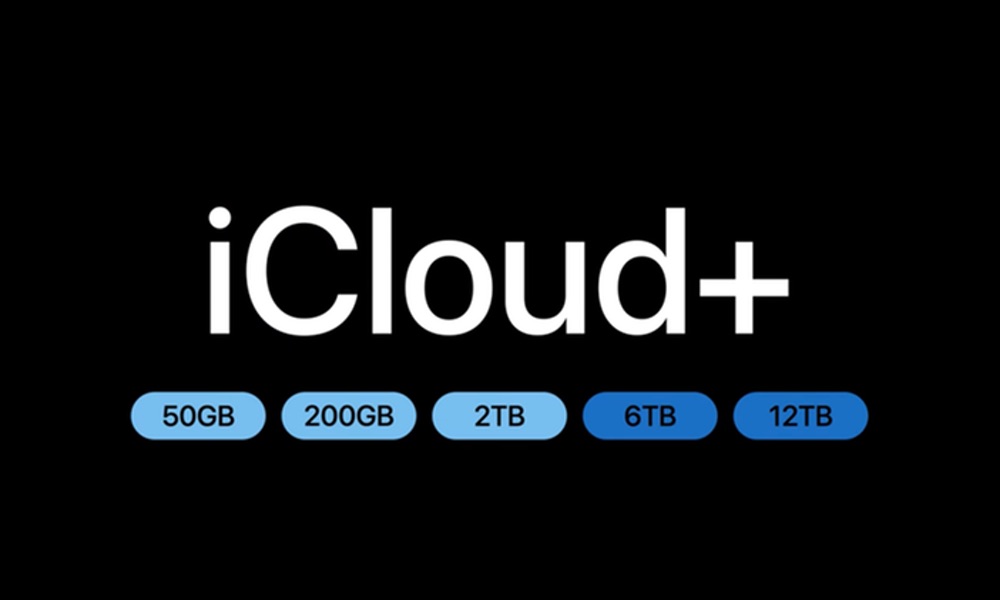
Since Apple currently offers five iCloud+ plans, that suggests that at least three will include “increased access,” but the bad news is that those could start at the same 2 TB mark as the Home AI features, since that one now sits right in the middle, following Apple’s introduction of the 6 TB and 12 TB plans in 2023 — a pair of higher iCloud+ tiers that many people forget exist because they’re so pricey.
‘Buy Up the Stack’
Although the assumption until now was that higher-tier iCloud+ subscription plans would include higher daily usage limits and other features, Cook made a comment that could leave the door open for something more.
As much as Apple is pushing on-device AI, there are going to be lots of things that simply can’t be done even on Apple’s most powerful silicon right now. That kind of heavy lifting will require the Private Cloud Compute server infrastructure that Apple has been building out over the past two years or so.
Of course, since AI computing power costs real money, investors and analysts naturally wanted to know how Apple plans to pay for all this. Cook’s answers were light on specifics, as usual, but he made it clear that Apple isn’t ruling anything out.
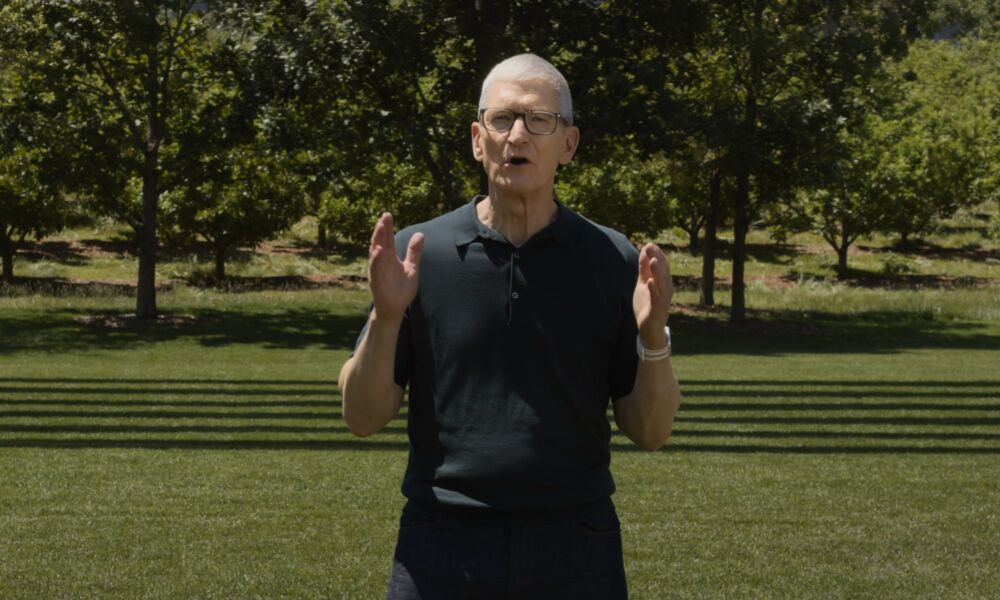
“In terms of what it means for compute cost, it’s obviously early going for us, and so I don’t want to say that we have a complete plan for that,” Cook said when asked about how the beta testing of the new iOS 27 AI features is going.
Cook later confirmed what we already know: that AI daily usage limits will be tied to the user’s iCloud+ subscription tier, but he also hinted that there could be room for “add-on” plans that would let people buy higher usage beyond what’s included in their iCloud+ tier.
In terms of what it means for compute cost, it’s obviously early going for us, and so I don’t want to say that we have a complete plan for that. We do believe there will be people that want to use it a lot and we will have some kind of upgrade possibilities on iCloud+ where people can buy up the stack on iCloud+. We’ll see how the pickup for that is.
Tim Cook
Apple has yet to provide any specifics on this, and combined with Cook’s comments yesterday, this suggests that it hasn’t come up with any final figures yet. As a responsible CEO, Cook is making it clear that just about anything is in the cards, but it remains to be seen which of those cards Apple plans to deal.
After all, consider that Apple has been hedging on charging for iPhone Satellite Services for years. A feature that debuted in 2022 for the iPhone 14 lineup with a promise of only two years of free service has been repeatedly extended to the point that every satellite-capable iPhone still has full access until this November — and we wouldn’t be the least bit surprised if we hear about another extension this fall.
That’s despite Apple spending billions to put those satellites in orbit. Add that to the billions it’s burned through on Apple TV, and it’s clear the company isn’t afraid to lose money on new initiatives. Cook is managing expectations, and Apple has already made it clear that there will be some features and limits exclusive to iCloud+ subscribers on higher tiers, but just because it reserves the right to start charging beyond that doesn’t mean it’s going to.