Will Apple Charge for Siri AI?

Toggle Dark Mode
Last week’s big unveil of a fully functional Siri AI has kicked off a new wave of speculation on whether this could eventually turn into yet another Apple subscription service — a sort of “Siri+” joining the ranks of ChatGPT and Gemini’s paid tiers.
It’s not the first time we’ve heard this, and the idea isn’t too far-fetched considering how much Apple has been pivoting into services. While the iPhone still makes up half of the company’s revenue, the Services category now brings in more money than all the other categories combined.
Shortly after Apple first unveiled Apple Intelligence two years ago, Bloomberg’s Mark Gurman suggested Apple’s long game was to make money off it with an “Apple Intelligence+” type of service. Other analysts soon chimed in, predicting a “premium” Apple AI service with a price tag of around $20 per month by itself, or perhaps less if bundled into Apple One.
Analysts believed a paid tier of Apple Intelligence was inevitable not simply because Apple wanted to find yet another revenue stream, but because Apple was investing a ton of money into building out Private Cloud Compute infrastructure to support its new AI features, and investors were going to expect it to recoup some of those costs.

That hasn’t happened yet, but one obvious reason is simply because Apple arguably hasn’t offered us anything that’s actually worth paying for. The initial Apple Intelligence features were little more than fun curiosities, and the company’s biggest promise — a much-improved Siri — ended up taking much longer to arrive than anyone expected.
Even in mid-2024, Gurman called 2027 a “best-case scenario” for when Apple would have anything on the table that folks would be willing to pay for. However, last week’s launch of Siri AI may now be playing into that timeline.
In this week’s Power On newsletter, Gurman maintains that Apple will eventually start charging a fee for at least some Siri features, but not until the new technology has proven itself. Even then, those fees may strictly be about offering higher rate limits, rather than paywalling specific features.
Given the high costs of operating the servers that power things like conversations in Siri and Image Playground, I could see the following: the baseline features in Siri (things that existed prior to Siri AI, plus the on-device personal context features) will always be free with no rate limits. The more conversational, world knowledge and generative AI features will eventually get rate limited and then require a fee, just like with ChatGPT.
Mark Gurman
What’s less clear is whether we’ll actually see a specific “Siri+” or “Apple Intelligence+” subscription. During last week’s WWDC keynote, Apple’s Craig Federighi set the stage for a future upsell by explaining that there will be daily usage limits on some of the new AI features. However, he also tied higher limits not into a new subscription model, but as yet another value-added feature for iCloud subscribers.
Some features, including image generation, have daily usage limits because they rely on powerful server models. Increased access is available with most iCloud+ subscription plans, which also include Apple Intelligence support for compatible home cameras.
Craig Federighi
Federighi’s statement also appears almost word-for-word in Apple’s newsroom announcement, but one thing the company hasn’t shared is what “most” means in this context, and whether those higher usage limits will be tiered in any way.
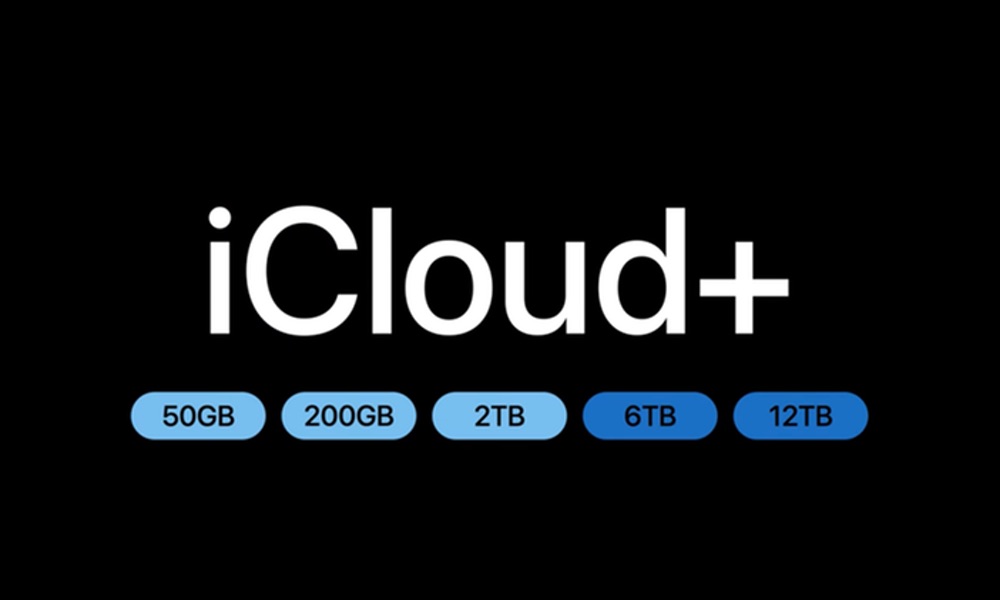
Apple currently offers five iCloud+ plans that are mostly distinguished based on the included storage: 50 GB for $0.99 monthly, 200 GB for $2.99, 2 TB for $9.99, 6 TB for $29.99, and 12 TB for $59.99. Since “most” means more than half, but not all, it’s a safe bet that the top three plans will get higher AI limits, while the 50 GB plan will not. It’s the $2.99 plan that carries the question mark here.
At this point, the only other difference among iCloud+ storage plans is in the number of cameras you can use with HomeKit Secure Video: one with the 50 GB plan, five with the 200 GB plan, and unlimited on the three top tiers. However, those limits were increased in 2021 when the service became iCloud+; previously the cheapest plan didn’t support any cameras, and the next two up were one camera and five cameras, respectively (the 6 TB and 12 TB plans didn’t exist back then).
The bottom line is that we’ll have to wait and see what Apple means by “increased access.” At this early stage, it’s possible the company hasn’t even finalized how this will work yet, as the features have only been available outside the walls of Apple Park for a week, which means it’s likely going to take some time to see how they scale and what kind of load thousands of new beta testers put on its servers over the next three months.
On the flip side, Apple has also proven that it’s not afraid to lose money on new initiatives. It’s reportedly burned billions on Apple TV, not to mention its multi-billion investments in putting up satellites for iPhone connectivity features it’s still not charging for, despite initially only offering two years free for new iPhone buyers.
This leaves us with little reason to believe Apple is in any hurry to start charging for Siri AI and Apple Intelligence, either. The current talk about usage limits may be as much about managing expectations as the repeatedly extended deadlines for free satellite features have been. Just because Apple reserves the right to start charging doesn’t mean it’s going to.