Apple Confirms $30B Broadcom Deal — But What’s It Really About?
Toggle Dark Mode
Apple has confirmed a report from earlier this week that it’s signed a deal with Broadcom to continue making chips for at least some of its devices.
The initial announcement came from Broadcom on Monday via Reuters, helping to bolster investor confidence in the chipmaking firm. While Broadcom has long been at the core of the wireless technologies powering the iPhone, iPad, and Mac, many analysts feared it would eventually be pushed aside as Apple continues to develop its own in-house wireless silicon.
Broadcom’s announcement didn’t shed any light on what the chipmaker would be doing for Apple. Some speculated that this could mean Apple’s N-series Wi-Fi and Bluetooth chips aren’t proceeding as well as the company had hoped, but even though Broadcom is best known for those chips, they aren’t the only things the company provides to Apple. As Reuters noted in the report, Apple and Broadcom also signed an agreement in 2023 to develop “5G radio frequency components.” These would likely be antennas and other secondary chips needed to support Apple’s own C-series modems as it pivots away from Qualcomm.
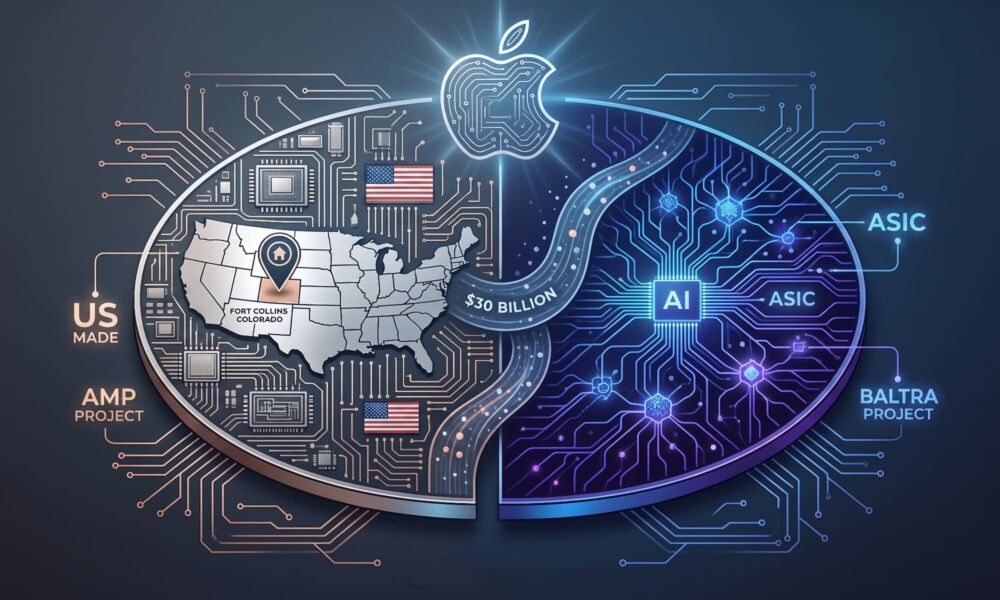
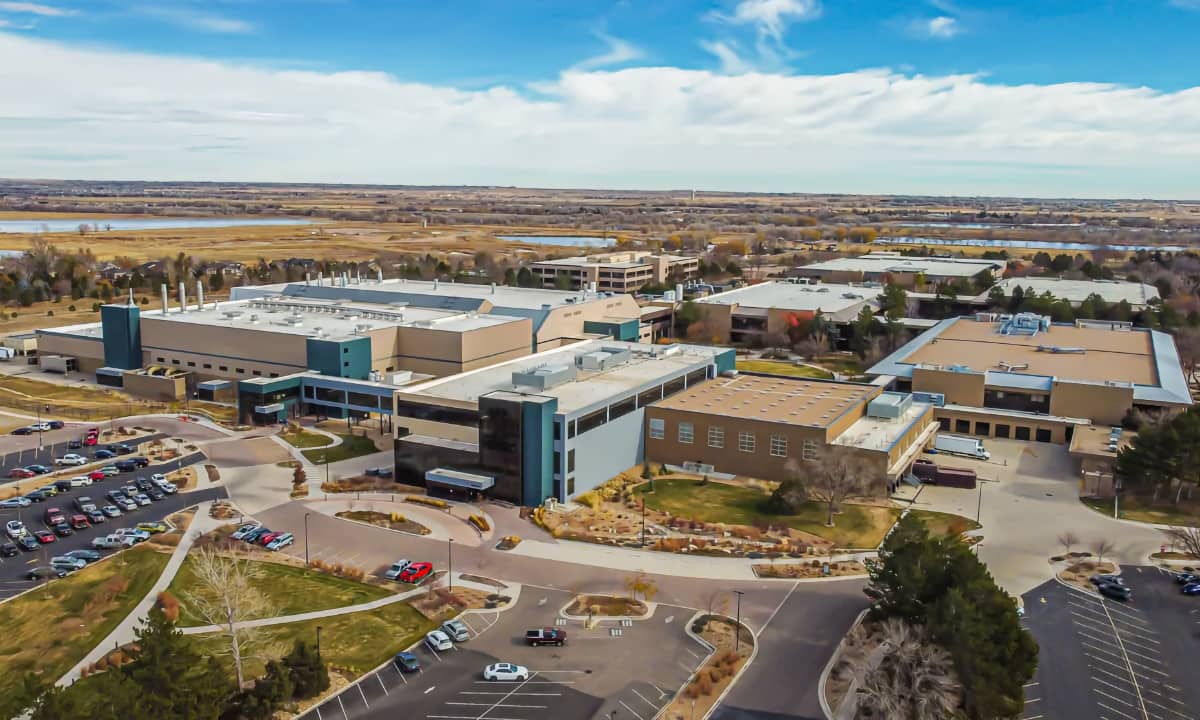
That deal saw Broadcom designing and building these components in multiple US-based facilities, such as its major facility in Fort Collins, Colorado. This week’s agreement is an even bigger opportunity for Apple to emphasize its US-based manufacturing partnerships — an issue that’s very close to the heart of the current Trump administration.
In this morning’s announcement, Apple confirmed that the “new multiyear commitment” is expected to “exceed $30 billion,” with almost all of that invested in the United States.
The new agreement, expected to exceed $30 billion, will lead to the production of more than 15 billion U.S.-made chips and support hundreds of American jobs. Apple has been working with the administration and businesses across the U.S. to help create an end-to-end silicon supply chain in America, and today’s announcement advances those efforts.
Apple
Apple adds that Broadcom is part of Apple’s specific initiative to accelerate manufacturing in the US. Dubbed the American Manufacturing Program, or AMP, Apple is not only signing agreements with US-based partners, but also investing heavily in modernizing their facilities — and Broadcom is no exception.
In fact, the company will become Apple’s largest AMP project to date, enabling Broadcom to invest $1.5 billion in capital to help it expand and modernize its Fort Collins facilities.
“Apple and Broadcom have a long history together, and this new phase of our partnership further accelerates our commitment to American manufacturing and innovation,” said Tim Cook, Apple’s CEO. “The cutting-edge components built in Fort Collins are essential to delivering the incredible performance and connectivity our customers expect, and we’re proud to deepen our investments in U.S.-based suppliers that share our commitment to excellence and innovation. We’re grateful to the president and his administration for supporting important projects like this one.”
As for what Broadcom will make for Apple? The company’s announcement doesn’t provide too many specifics, but it seems to align with the 2023 agreement for 5G components. “Broadcom will produce advanced radio frequency components — including FBAR filters — and advanced wireless connectivity technologies,” Apple notes — at least at the Fort Collins facility.
That doesn’t necessarily mean these are the only components that Broadcom will supply to Apple. Some analysts have speculated that Apple could draw on the chipmaker for AI-related technologies also, as Broadcom has more recently diversified beyond wireless technologies to establish itself as a premier developer of custom AI application-specific integrated circuits, or ASICs.

Last month, OpenAI and Broadcom jointly unveiled “Jalapeño,” a custom “Intelligence Processor” built for the AI giant that promises to accelerate AI applications more power efficiently than the current generation of general-purpose AI silicon. Broadcom is also a key partner for Google’s custom Tensor Processing Units (TPUs), which may already be part of Apple’s Private Cloud Compute (PCC) infrastructure.
Needless to say, this almost immediately had analysts buzzing about what the deal may mean for Apple’s future AI ambitions, especially after Broadcom let the cat out of the bag in its SEC filing on Monday:
Broadcom Inc. (“Broadcom”) and Apple Inc. (“Apple”) have agreed to expand their long-standing technology collaboration through 2031 by entering into new multi-year long-term agreements for Broadcom to develop and supply a range of custom ASIC silicon products for use in multiple generations of Apple products.
Broadcom 8-K Filing
That’s a pretty clear smoking gun on the real reasons behind the $30 billion deal — even if Apple remains as cagey as ever when it comes to its longer-term plans. To add even more fuel to the fire, supply chain leaks have hinted that Broadcom is working on a custom 3nm AI server chip codenamed “Baltra” that could find its way into Apple’s Private Cloud Compute infrastructure sometime next year.
[The information provided in this article has NOT been confirmed by Apple and may be speculation. Provided details may not be factual. Take all rumors, tech or otherwise, with a grain of salt.]