
Apple Isn’t Breaking up with Broadcom or Qualcomm Just Yet
Toggle Dark Mode
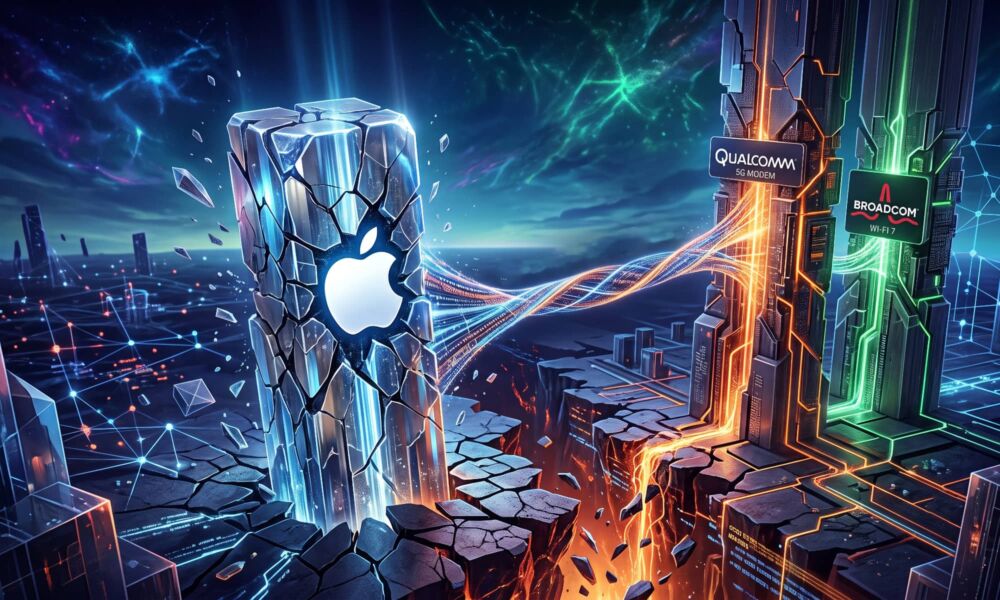
After years in the making, Apple finally began rolling out its own 5G modem chips early last year, then surprised us a few months later by debuting its own in-house Wi-Fi and Bluetooth chip in the iPhone 17 lineup. However, as impressive as these chips are, Apple may not be quite ready to cut ties with its two third-party chipmakers just yet.
Apple began developing its own 5G modem chips in earnest in early 2019, in the midst of a big falling-out with Qualcomm over patent royalties and Intel’s impending exit from the 5G modem business. Still, Apple already knew what every analyst was saying: that developing its own modems was a long road. Even though it purchased Intel’s leftovers for a cool $1 billion, it also reached a settlement with Qualcomm to keep the flow of modem chips running while its silicon engineers quietly put their heads down and got to work.
We finally saw the first fruits of those labors in last year’s iPhone 16e with its C1 modem chip. Apple’s first attempt was impressive, even if it didn’t have the raw power of the chips borne from Qualcomm’s years of experience, but the company also knew it was taking baby steps. When the iPhone 17 lineup arrived a few months later, they remained powered by Qualcomm modem chips; only the iPhone Air stuck with Apple’s modem in the form of a modestly upgraded C1X chip that also came to the iPhone 17e earlier this year.
Enter the N1: Apple’s Sleeper Wireless Hit
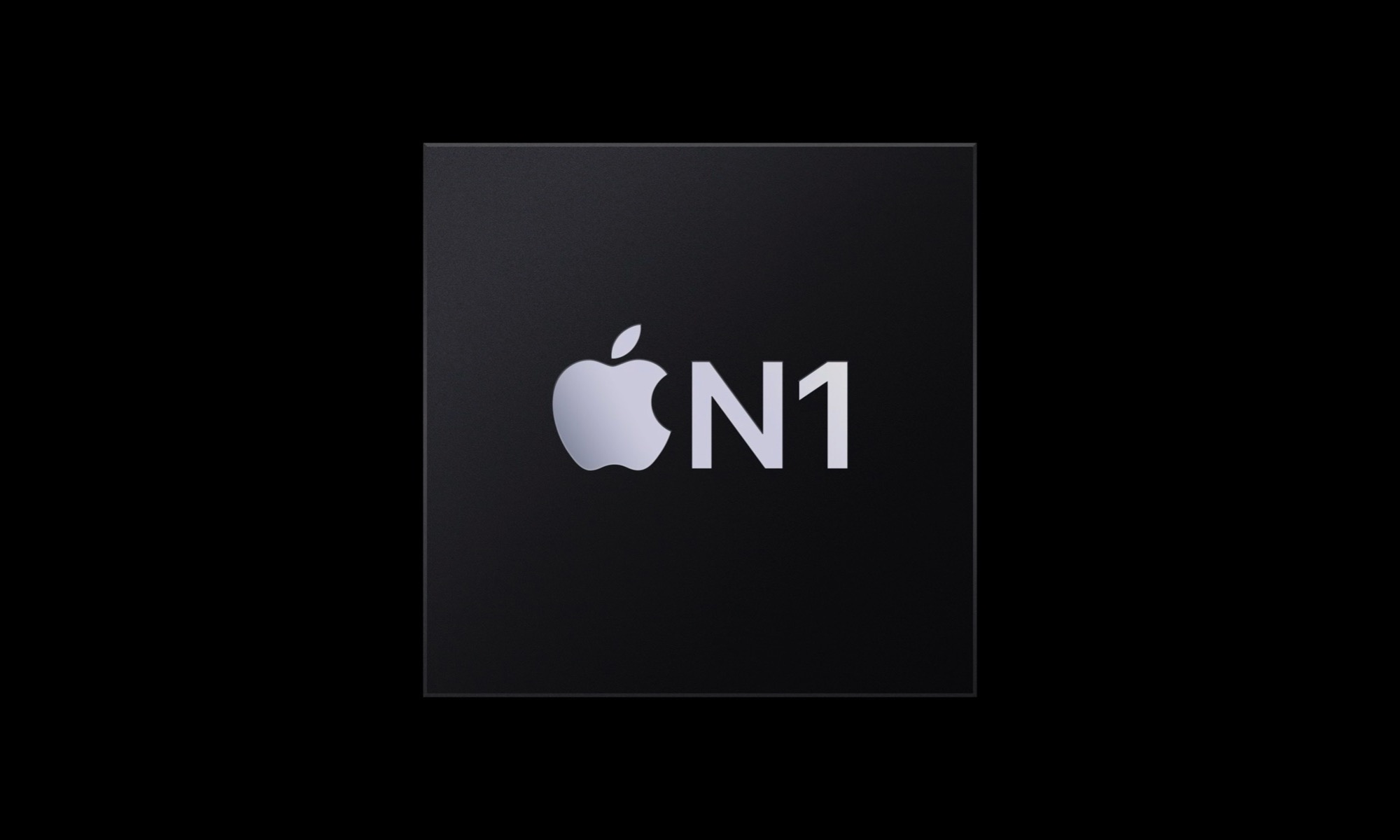
However, Apple had another surprise up its sleeve that nobody saw coming until relatively close to the iPhone 17’s debut. While most of the attention was focused on Apple’s C-series cellular modem chips, Apple’s engineers were also quietly building their own Wi-Fi and Bluetooth chipset to replace the third-party Broadcom chips long used in pretty much every wireless-capable Apple device.
Ironically, while the iPhone 17, iPhone 17 Pro, and iPhone 17 Pro Max kept the Qualcomm modem chips, they dropped Broadcom from the roster and embraced Apple’s new N1 chip for Wi-Fi and Bluetooth.
Apple’s own wireless silicon turned out to be a “sleeper” upgrade. It was far more power-efficient, as Apple tied it directly into the A19 and A19 Pro chips to offload processing onto the more powerful silicon. It also turned out to be far more reliable and responsive. AirPods Pro handed off audio almost instantaneously, proximity-based Bluetooth features were snappier, CarPlay connected more quickly, and Wi-Fi 7 performance was impressive.
The arrival of the N1 was also far more widespread than Apple’s C1 and C1X. Since Wi-Fi and Bluetooth have far fewer variables to deal with than 5G cellular networks, Apple could afford to be bolder. It’s been baked into nearly every iPhone, iPad, and MacBook released since last fall.
The most notable exceptions are the entry-level M5 MacBook Pro from October, which still packs in virtually the same Broadcom chip used in its M4-powered predecessor, and the MacBook Neo, where Apple switched to a MediaTek Wi-Fi chip. Apple never explained this, but most analysts believe it was one of those aggressive cost-cutting measures necessary to produce a $599 MacBook. Holding it back to Wi-Fi 6E and Bluetooth 5.3 was just another reasonable corner to cut.
The Multi-Billion-Dollar Reality Check
However, some analysts also believed it was an attempt to close the door on Broadcom, which Apple had been relying on for years. While there could be a germ of truth to that, it seems that a supply chain deal between the two companies is far from over.
According to Reuters, Broadcom has just signed another five-year agreement to supply custom chips to Apple — a deal that reportedly accounts for 20% of its annual revenue. While Apple has naturally remained silent on this, Broadcom was quick to share the news, as it helps bolster investor confidence in the chipmaking firm.
This doesn’t mean that Apple won’t continue rolling out its N-series Wi-Fi and Bluetooth chips. In fact, the Broadcom deal may not even be directly related to those technologies, as Broadcom supplies other components to Apple. As Reuters notes, the two inked a deal in 2023 to develop “5G radio frequency components” — likely antenna arrays and secondary chips that support Apple’s own C-series modems.
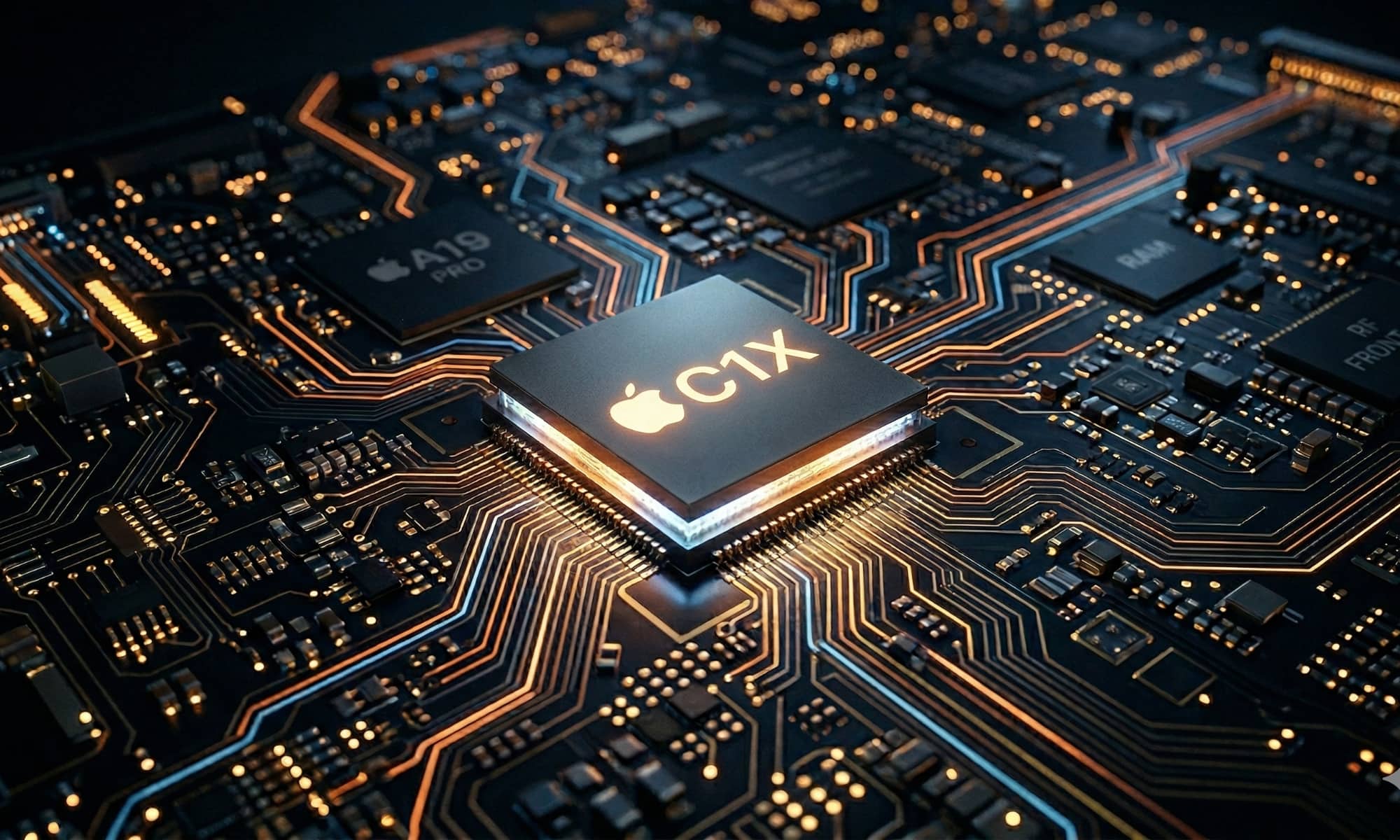
It’s not clear if the new five-year deal is simply an expansion of that or if there are other components in play, but it shows that Apple isn’t planning to go it completely alone when it comes to networking technologies. That makes sense, as Apple only needs to control the key components — the core 5G, Wi-Fi, and Bluetooth chips. Things like secondary chips and antennas are like DRAM and NAND: commodities that don’t require any unique engineering to bend them to Apple’s will.
There’s also evidence that Apple isn’t quite done with Qualcomm, although that partnership may continue at a more foundational level. While analysts and leakers have widely expected Apple’s next-generation C2 modem to be ready for this year’s iPhone 18 Pro lineup, one of the pieces of info that trickled out from last month’s Tata Electronics leak is that US models may continue using Qualcomm chips.
The most plausible explanation for this is the need for mmWave support, which remains somewhat desirable in the US, particularly on carriers like Verizon, which began its rollout on mmWave 5G before finally switching to the more common low-band and mid-band frequencies to expand beyond urban cores.

While the C1 generation of modems lacked mmWave support, many believed that would come with the C2 — particularly since those were slated to go into Apple’s flagship models. However, it’s entirely plausible that Apple decided it wasn’t worth engineering a modem chip for a technology that most of the world doesn’t seem to care much about, especially since mmWave-capable iPhones have never been sold outside the US anyway.
Even if you’re in the United States, you’re probably using mmWave a lot less than you realize, especially with carriers racing to dominate the mid-band spectrum. It’s far better to keep the C2 focused on mid-band performance and keep the supply pipeline with Qualcomm open to supply the mmWave chips needed to keep US models dancing across the entire 5G spectrum.
[The information provided in this article has NOT been confirmed by Apple and may be speculation. Provided details may not be factual. Take all rumors, tech or otherwise, with a grain of salt.]






