Apple Still Has More iOS 27 Features to Announce
Toggle Dark Mode
While last Monday’s Worldwide Developers Conference (WWDC) keynote spent most of its time focusing on child safety features, the new Siri AI, and other Apple Intelligence features, the company shared numerous other small changes coming to its software updates this fall on its OS 27 preview pages. However, there were still a few things from the rumor mill that were conspicuously missing by the time the dust settled.
As it turns out, not all of those rumors may have been entirely off track. Over the weekend, Bloomberg’s Mark Gurman touched on three features he shared in his pre-WWDC leaks to add that they’re still in the works, but that Apple could be holding some of them off for a fall unveiling alongside new products like the iPhone 18 Pro and Apple Watch Ultra 4.

A Modular Camera App
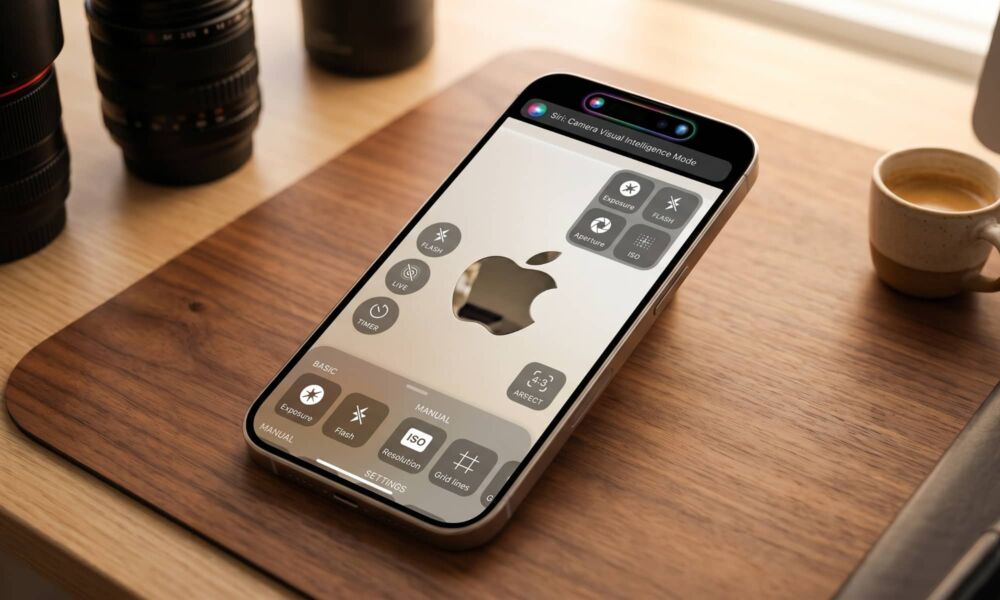
Perhaps the most notably absent was the customizable Camera app he mentioned last month. While the new iOS 27 Camera app brings Siri’s Visual Intelligence into the mix, it’s not otherwise much different from iOS 26.
That’s in stark contrast to what Gurman predicted when he said that Apple planned a fully customizable user interface for the iOS 27 Camera app alongside the new Siri integration.
With the new approach, users will be able to choose which features appear in the Camera app — and where they’re placed. That includes controls for flash, exposure, the timer and resolution, according to people with knowledge of the matter.
Mark Gurman
While there’s no sign of this in the first iOS 27 developer beta — and no mention of it on Apple’s website — Gurman says the feature is up and running on “the internal versions of Apple’s operating systems on employee devices.”
It’s possible the feature simply wasn’t considered polished enough, but it’s equally likely Apple may hold it back for this fall’s iPhone 18 Pro launch. That’s a reasonable hunch, as Apple has often debuted new Camera app features alongside new camera hardware — and the iPhone 18 Pro is expected to make a nice leap ahead thanks to a rumored variable aperture camera.
The bigger question is whether Apple could make this new modular camera design an exclusive feature of the iPhone 18 Pro lineup, as it’s occasionally done with other Camera app improvements in the past. For example, the iPhone 15 lineup gained a 24 MP output toggle and the iPhone 15 Pro models added focal length measurements to the zoom factors, none of which came to the iPhone 14 Pro and iPhone 14 Pro Max, despite those older models having the same 48 MP image sensor and A16 Bionic chip. We also saw the same with Camera app improvements such as the slide-up settings panel and QuickTake shutter gestures in iOS 13, which were exclusive to the iPhone 11 lineup released that same year.
There were seemingly no logical reasons for locking older models out of these features, and that was at least partly proven when Apple retroactively added QuickTake to the iPhone XS and iPhone XR in iOS 14, along with other UI features the older models had been left out of, such as the quick toggles to change resolutions and frame rates in the top corner of the app.
Hopefully, this won’t be the case with the modular Camera app design. Apple might just be waiting for a more opportune time to show off these Camera app improvements on stage, and debuting them alongside the iPhone 18 Pro models and their more powerful cameras would certainly qualify.
A New Modular Apple Watch Face
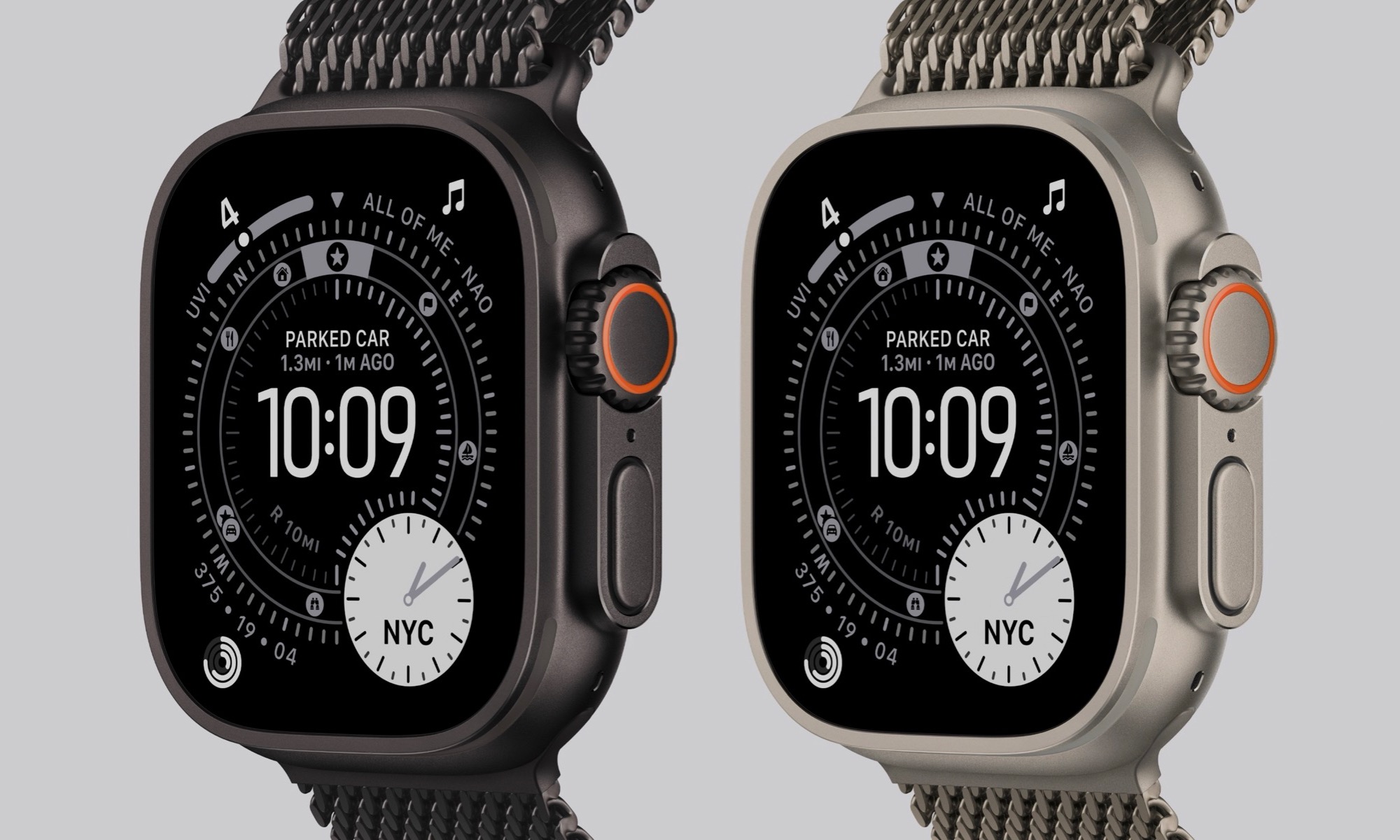
Apple reportedly has another modular design in the pipeline: a simpler version of the Modular Ultra face for the Apple Watch Ultra.
This was the only new watch face that anyone was predicting for watchOS 27, but so far, it’s nowhere to be seen. However, that may not be too surprising, as Apple has often waited to show off new faces until it unveils new Apple Watch hardware. That’s probably because it gives the company a little software window dressing for each year’s relatively unchanged hardware designs.
The good news is that Apple rarely makes new watch faces exclusive to newer Apple Watch models unless there really is a compelling design reason to do so — and that’s unlikely to be the case with this year’s Apple Watch Ultra.
For the past two watchOS releases, Apple has even held back major health feature announcements until the fall — Sleep Apnea Detection and Hypertension Notifications — despite those also coming to older Apple Watch models. That suggests there could be more coming in watchOS 27 than just a simpler modular face for its highest-end wearable.
Plugging in Third-Party AI Models
The last feature Gurman mentions may be more of a question of not muddying the waters than actually holding anything back. Over the past few months, there have been several reports that Apple plans to allow users to choose their own Siri replacement, similar to how ChatGPT already acts as a behind-the-scenes extension to Siri in iOS 26.
While Apple didn’t mention this explicitly during its WWDC keynote, that’s not too surprising as it would have taken the spotlight away from Siri AI. This is also something that other developers will have to get on board with; in theory, ChatGPT is sort of there — developer beta 1 includes the ability to change the “Ask” from Siri to ChatGPT — but it’s not fully functional at this point, and the final version is expected to provide even deeper integration.
Gurman says this has “been entirely active and in use inside Apple for months,” and Apple has already talked to OpenAI, Anthropic, and Google about building the necessary pieces. It will likely launch in iOS 27.0 this fall, but how loudly the company will talk about it is another question.
[The information provided in this article has NOT been confirmed by Apple and may be speculation. Provided details may not be factual. Take all rumors, tech or otherwise, with a grain of salt.]