The HomePod Wasn’t Invited to the WWDC26 Keynote, But It Still Got a Gift
Toggle Dark Mode
While Apple’s Worldwide Developers Conference (WWDC) keynotes are always more heavily focused on software than hardware, this year’s presentation leaned even more heavily in that direction. Apple skipped its usual OS play-by-play that effectively covers each of its platforms, instead providing a 40,000-foot view of the features coming to the entire ecosystem.
Of course, the keynote was peppered with mentions of various devices that will run its new operating systems, with the iPhone, iPad, and Mac front and center. Although they were far from the focus, the Vision Pro, Apple Watch, and even AirPods got passing mentions throughout.

However, one word we didn’t hear uttered at all during the keynote was “HomePod.” Apple not only snubbed the entire home product category — the Apple TV was similarly omitted, with only a single mention of tvOS purely as an item on the list of all six platforms — it didn’t even acknowledge its existence.
Of course, this doesn’t mean Apple has completely forgotten about the HomePod; it likely just has very little to share right now. That’s not surprising, as most reports suggest the company is preparing for a much bigger dog-and-pony show for all of its home products later this year, but the good news is that it’s not completely ignoring the HomePod in the first wave of OS 27 updates.
What’s Coming in HomePod Software 27
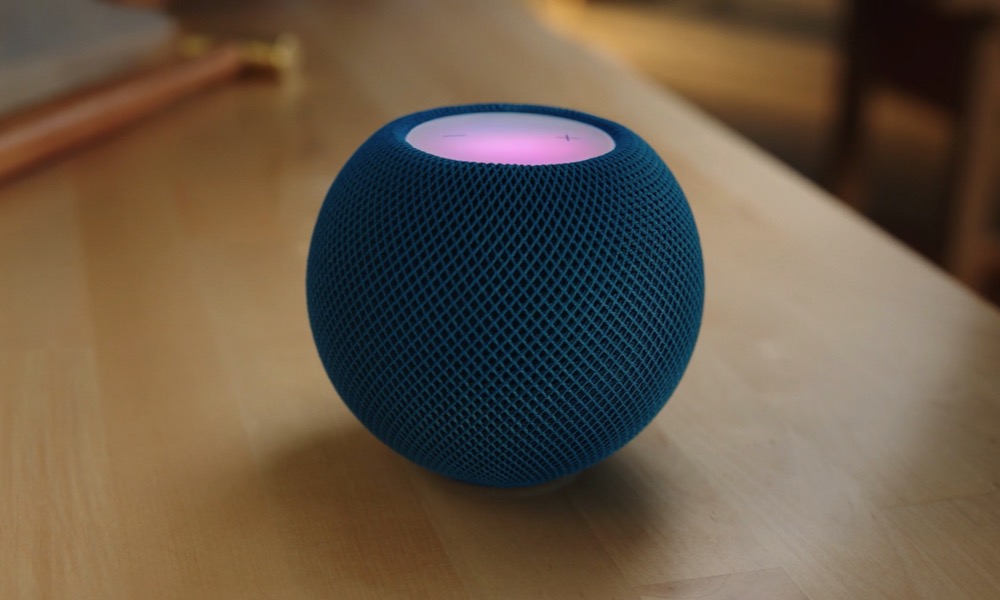
While the HomePod may have been omitted from the keynote, Apple did give us one clue as to what’s coming in its newsroom recap:
AutoMix has added a whole new layer of energy and excitement to the experience with even better transitions that feel more immersive and engaging for listeners. AutoMix will also be available on Apple Music in tvOS and on HomePod.
AutoMix is an AI-powered feature that seamlessly transitions playback from one song into the next, DJ-style, without the jarring transitions that tend to happen in mixed playlists. This latest update is good news for anyone who was wondering where AutoMix was last year, when Apple introduced it to the iPhone, iPad, and Mac in iOS 26 and the gang.
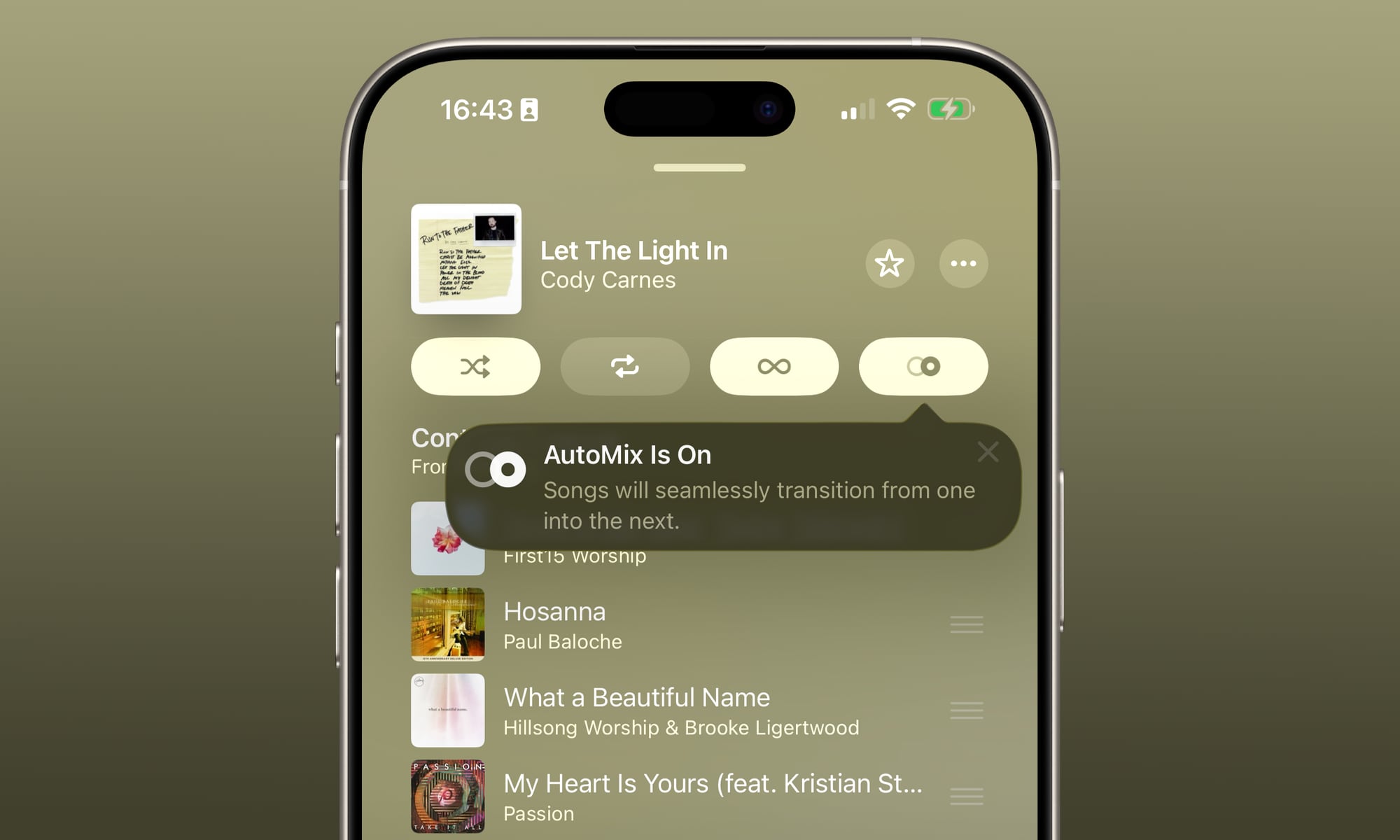
At the time, some speculated that the HomePod may not have been powerful enough to handle the AI-powered AutoMix feature, but that always seemed like a dubious explanation — especially since the feature wasn’t limited to Apple Intelligence-capable iPhones. It’s unlikely Apple is using on-device AI to handle the heavy lifting here; since it only works with an Apple Music subscription, Apple can tag the songs with the necessary cues in the cloud.
The more likely explanation, knowing how Apple rolls, is that it simply didn’t have the engineering resources to make it happen for the HomePod and Apple TV. Another year has given it time to rectify that for HomePod Software 27 and tvOS 27.
After all, the HomePod has often run a bit behind the curve. We should be grateful that AutoMix only took a year, considering that Apple only added basic crossfade support to the HomePod last year, despite introducing it to the iPhone and iPad in 2023 with iOS 17 (not to mention that the iPod nano had it in 2008).
The Original HomePod Lives On
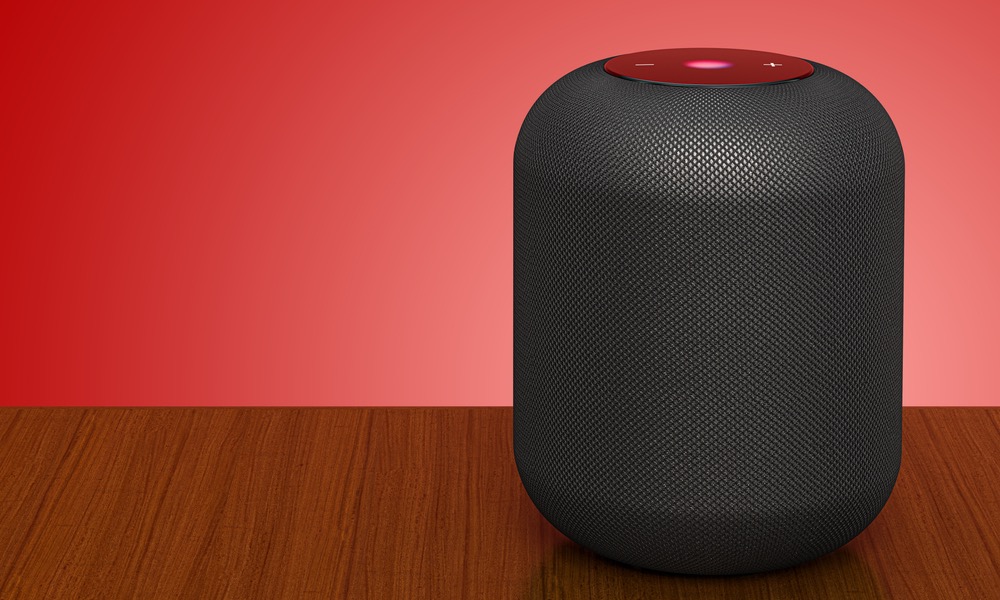
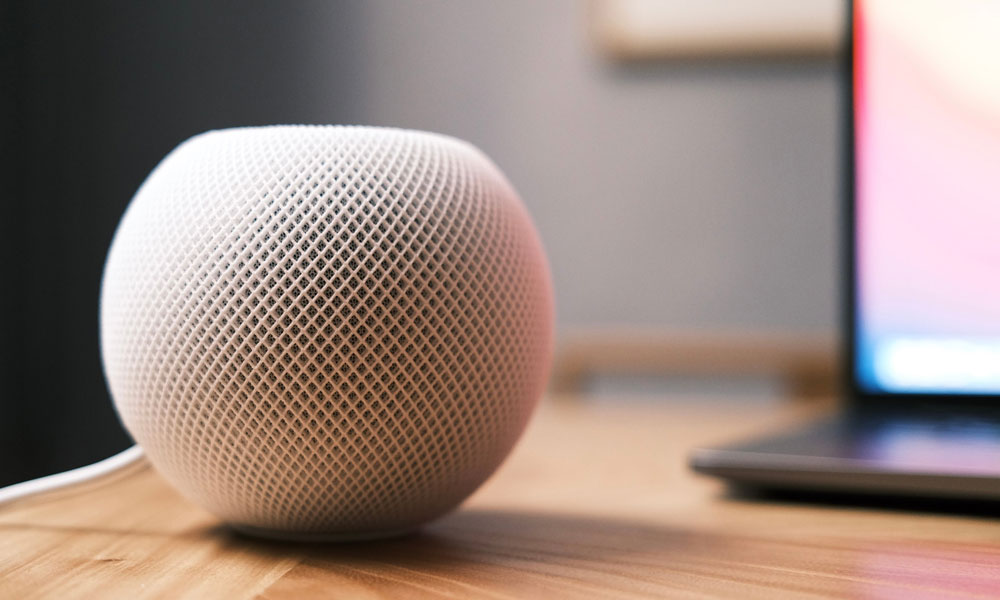
It’s not entirely clear whether this will be coming to all HomePod models, but the good news is that Apple isn’t sending the original HomePod off on an ice floe just yet. Code sleuth Aaron Perris has dug into the first HomePod Software 27 beta and confirmed that it will indeed support the first HomePod with its now-archaic A8 chip.
That’s a pleasant surprise, considering that tvOS 27 appears to be leaving pre-2021 Apple TV models behind. However, it’s also fair to say that a relatively single-purpose device like a smart speaker is far less demanding. Whether the A8 will be able to handle AutoMix remains an open question, though.
Apple excluded AutoMix from Intel-based Macs in macOS 26 Tahoe, although that might have just been a question of efficient use of software engineering resources rather than performance limitations. Apple likely saw little point in devoting energy to build a feature for a platform that was already on its way out, since it announced at the time that macOS 26 Tahoe would be the last to support those legacy Macs, and macOS 27 Golden Gate has just closed the book on the Intel generation.