macOS 27 Closes the Book on the Intel Generation

Toggle Dark Mode
Over the years, Apple has used several different chip architectures to power its Macs. While each generation of chips served Mac users well, they all eventually reached the end of their useful lives and were replaced each time with more advanced chips.
When the first Macintosh debuted in 1984, it was powered by Motorola’s 68000 series processors. Those were a popular series of chips at the time, used by several other computing platforms and even gaming consoles of that era. The 68000 series was used in Macs from 1984 to 1996.
In 1994, Apple switched to PowerPC processors, developed in collaboration with IBM and Motorola. Their lifetime in the Mac ran from 1994 to 2006, straight into the return of Steve Jobs and its transition from what’s now known as Classic Mac OS into the modern Mac OS X era.
Under Jobs’ leadership, Apple made a landmark transition in 2006 to Intel — the same chips that power Windows PCs. These processors had a good run, providing excellent compatibility for users who wanted to use a Mac as their primary machine but still needed to access Windows software from time to time, via Boot Camp or a Windows virtual machine on their Mac desktop.
End of Days for Intel Macs
For 14 years, Intel processors were the standard chip in every Mac. However, that suddenly changed in 2020, when the company announced at its June Worldwide Developers Conference (WWDC) that it had developed its own Apple silicon chips. The first of these, the M1, debuted later that year in the MacBook Air, and entry-level 13-inch MacBook Pro and Mac mini models, with Apple promising to transition its entire lineup to the new architecture within two years. Nevertheless, Intel actually hung in until 2023, when the last Intel Mac came off the assembly line.
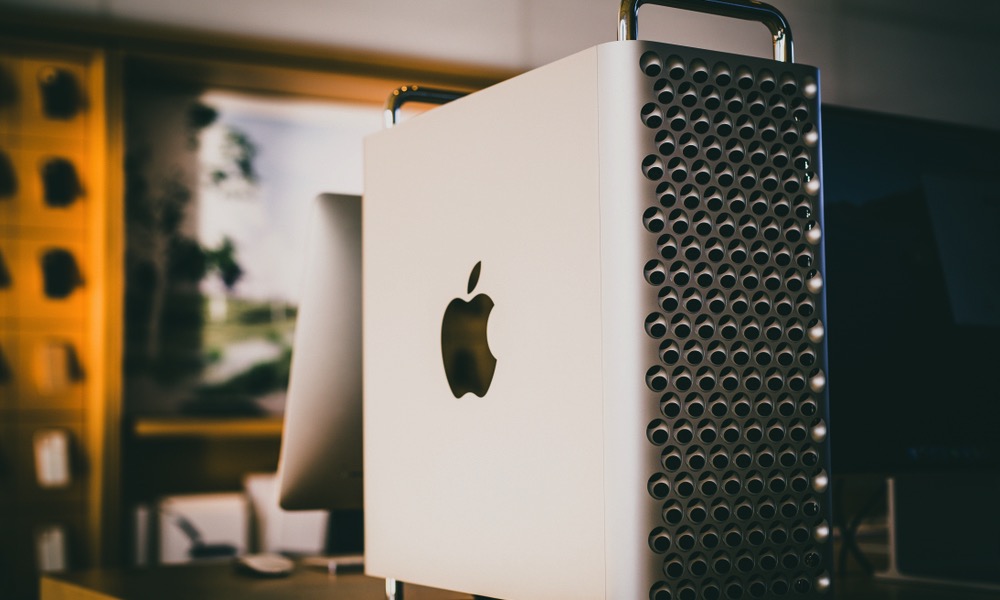
Apple continued to offer new versions of macOS for Intel machines even after the last Intel Mac was sold, although the list of supported legacy Macs continued to shrink every year, dwindling to only four 2019 and early 2020 models with last year’s macOS 26 Tahoe release.
However, the writing was on the wall even then, as Apple had already announced Tahoe would be the end of the line for Intel Macs. So, it wasn’t a surprise when macOS 27 Golden Gate showed up yesterday for Apple silicon only.
Mac users who wish to continue to install the latest and greatest version of macOS will need to visit their local Apple Store or reseller and purchase a Mac using an M-series chip, or in the case of the recently released MacBook Neo, the A18 Pro chip.
The Rosetta Lifeline Will Soon Be Pulled
It should be noted that during each chip transition, Apple refused to leave users of apps built for the prior processor platform out in the cold. Apple ensured that users could still run their old apps on their new machines, by using what Apple called Rosetta — a dynamic binary translator that allowed older PowerPC software to run on the Intel Macs and later allowed software built for Intel Macs to run on Apple silicon. In both cases, there was a minor hit in performance, but the software remained usable.
Apple’s latest generation of Apple silicon-powered Macs have offered Rosetta 2, allowing Intel-based software to continue to be used. Indeed, Mac users with Intel software they’d like to continue using can still take advantage of Rosetta — but only for one more year.
While Rosetta 2 will continue to be included in macOS 27 Golden Gate, that support will disappear when macOS 28 (insert name of California landmark here) is unveiled next June.
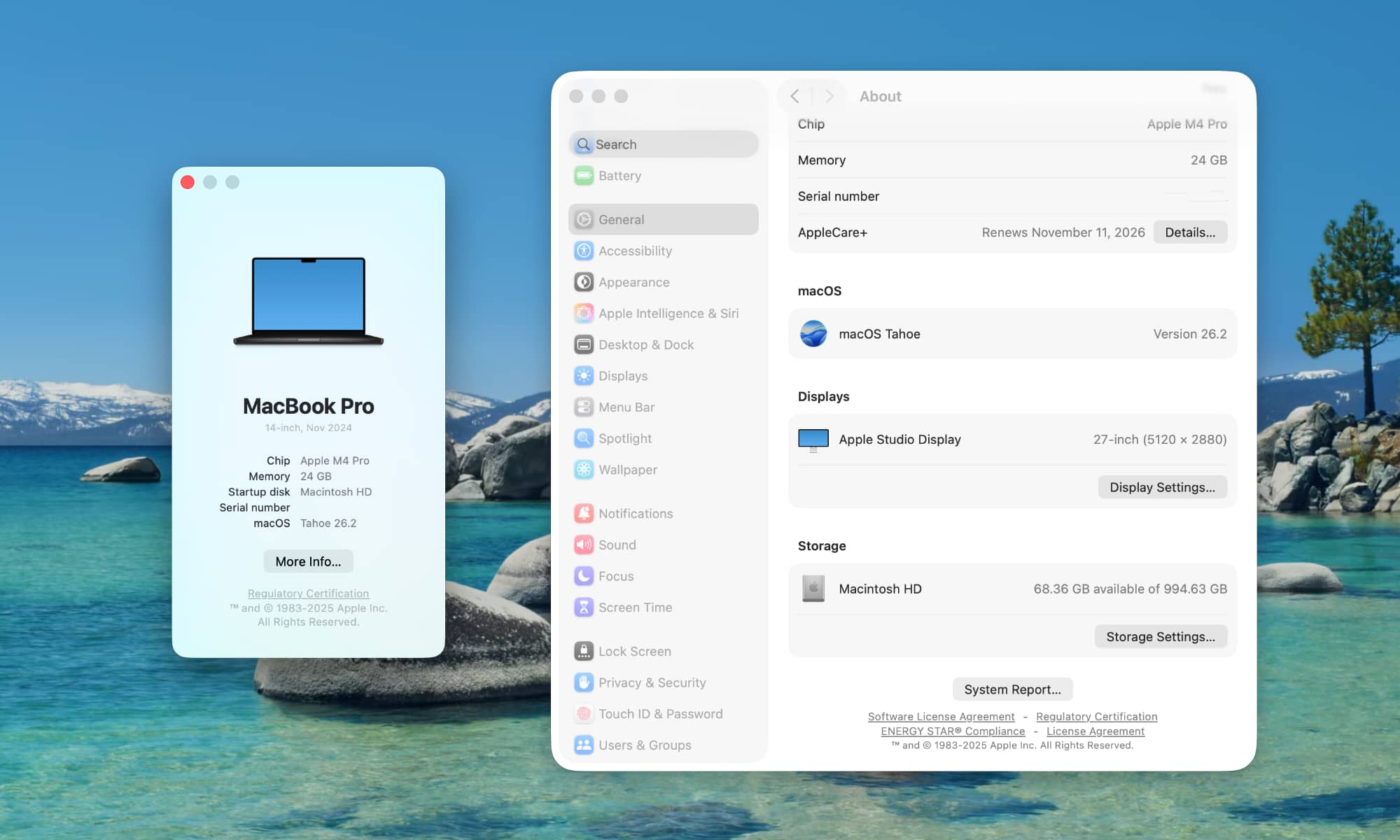
This also shouldn’t come as much of a surprise, as Apple has already warned Mac users and developers alike that, starting with macOS 28, only a limited version of Rosetta 2 will remain available to allow users to run older games that rely on Intel-based frameworks. All other Intel applications will cease functioning.
Apple began showing alerts in macOS Tahoe 26.4 earlier this year when running Intel-based apps that support for the Rosetta 2 translation layer will end in macOS 28. Plus, from time to time, Tahoe has displayed system notifications also warning of the looming end of Rosetta 2 support.
So, I Have to Stop Using My Intel Mac?
Absolutely not. Your Intel-based Mac will continue to operate, although it will be restricted to running older versions of macOS and older versions of software. However, Apple will also continue to release security updates for macOS 26 for at least a couple more years, considering it’s also still pushing out patches for macOS 14 Sonoma and macOS 15 Sequoia for even older Intel Macs that can’t move beyond those versions.
I myself own three Intel-based Macs that happily hum along, performing needed tasks. Although, I do sometimes catch them looking longingly at my shiny M4 Mac mini.
But Apple Silicon Will Be Forever, Right?
As many country songs have warned us, nothing lasts forever, not love, nor hangovers, nor processor architectures. While Apple silicon is the cat’s pajamas when it comes to powering the latest Mac (and iPad) models, its day in the sun will also likely end someday. But for now, enjoy the power. Oh, and start looking for apps written for Apple silicon, definitely do that.