How Pure Efficiency Will Supercharge iPhone 18 Pro Battery Life

Toggle Dark Mode
While most of the buzz right now is on Monday’s Worldwide Developers Conference (WWDC) keynote and what we can expect Apple to unveil for iOS 27 and its other software updates, reports are also heating up on what we can expect from the iPhone models that will be released alongside iOS 27 this fall: the iPhone 18 Pro and iPhone 18 Pro Max.
Over the past few days, we’ve heard supposed leaks on everything from colors and thickness to battery life and display technology. While we’re not expecting any substantial design changes — which makes sense with Apple putting most of its energy into the foldable “iPhone Fold” or “iPhone Ultra” that’s also expected to debut this fall — the iPhone 18 Pro models will almost certainly pack in new silicon in the form of Apple’s A20 Pro chips, plus the usual year-over-year camera, display, and battery life improvements.
Apple is expected to stick with the same trio of 48-megapixel sensors in this year’s Pro model, and while the A20 Pro will undoubtedly enhance the image processing pipeline, the real secret weapon will be a variable aperture on the main lens to deliver an actual optical depth-of-field, or Bokeh effect, for the first time.
Similar Batteries, Longer Life

A recent supply chain report from The Elec also suggests Apple is taking its display technology to the next level with LTPO+ panels produced by Samsung and LG. Apple has used low-temperature polycrystalline oxide (LTPO) displays in its flagships since the iPhone 13 Pro to deliver the variable refresh rates that deliver 120 Hz ProMotion and brought the Always-On display to the iPhone 14 Pro (which works by dropping the refresh rate down to 1 Hz), and already provides excellent battery life for video playback.
While the move to the “plus” version of LTPO isn’t something users will notice at a glance, it promises even better power efficiency, which could translate to longer battery life.
This could be significant, since leaks have suggested the batteries in the iPhone 18 Pro and iPhone 18 Pro Max won’t be getting substantially bigger. In February, Weibo-based leaker Digital Chat Station reported that the iPhone 18 Pro Max will have a battery ranging from 5,000 mAh on the Chinese version, while the “international” version could reach 5,200 mAh — a difference likely accounted for by Apple continuing the practice it started last year of packing a larger battery into eSIM-only iPhone models.
If accurate, those numbers represent a modest bump over the iPhone 17 Pro Max, which came in at 5,088 mAh on the eSIM-only models and 4,823 mAh on those with a physical SIM card.
However, the news for the smaller iPhone 18 Pro doesn’t sound quite as promising. This week, Digital Chat Station followed up on their earlier report with predicted capacities for the 6.3-inch model: 4,056 mAh in China and 4,288 mAh for the “US version,” representing an increase from the current iPhone 17 Pro’s 3,988 mAh and 4,252 mAh capacities that feels like little more than a rounding error.
The good news is that even if these numbers turn out to be accurate (and it’s still too early to know), they don’t tell the whole story. A more efficient LTPO+ display could make a significant difference, since that’s easily the most power-hungry component in any modern smartphone, and Apple always finds ways to lower power consumption in other areas, such as each successive generation of A-series silicon.
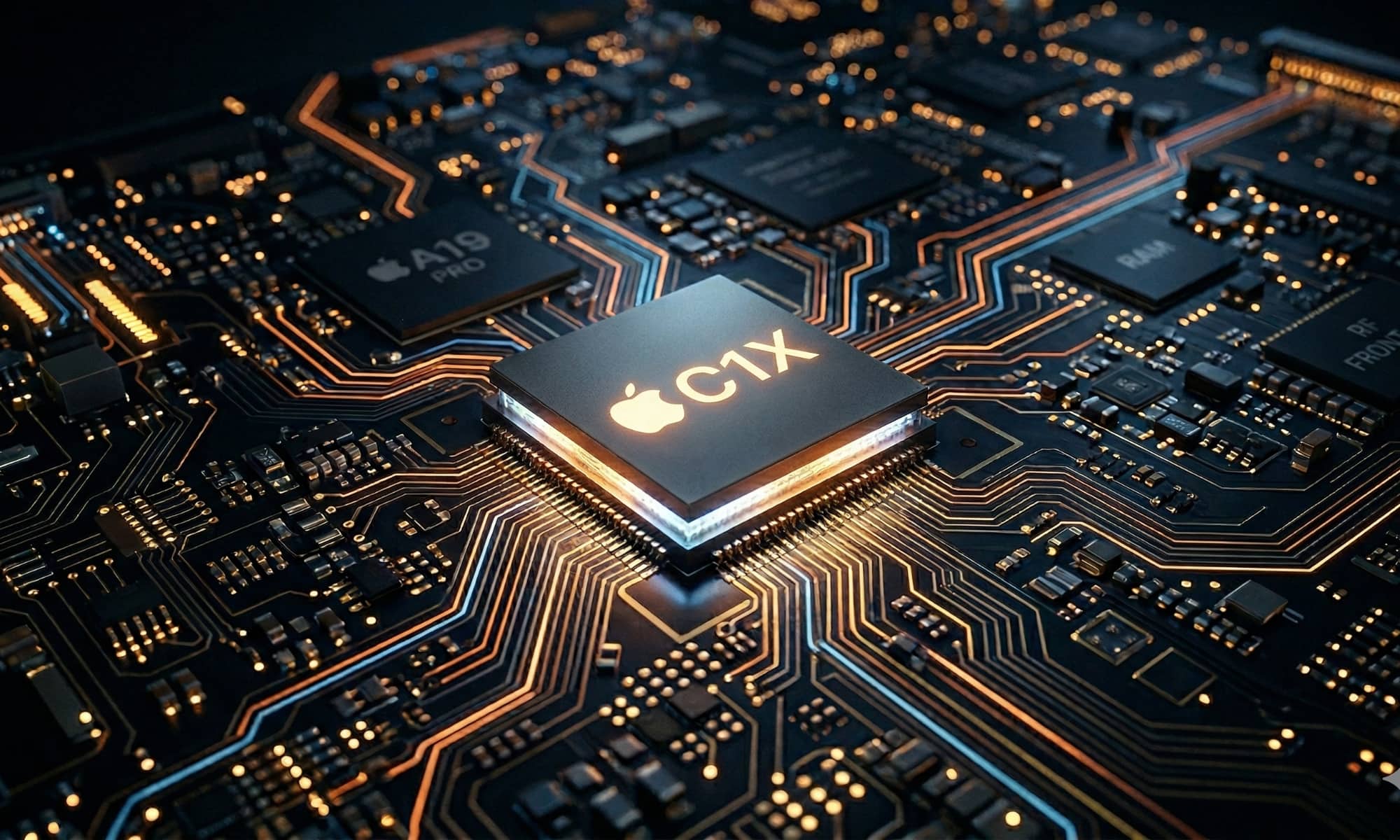
Another expected change that could help the battery life equation this year is Apple’s final pivot away from Qualcomm modem chips. The company debuted its first 5G modem, the C1, in early 2025 with the iPhone 16e, which was followed up by an even more power-efficient C1X in the iPhone Air and iPhone 17e. However, Apple has yet to use these early C-series chips in its mainstream iPhone models. That could change with the iPhone 18 Pro, which is widely expected to incorporate a second-generation “C2” chip that will finally be ready for flagship prime-time, with high-band mmWave support to deliver better performance in congested areas like airports, urban street festivals, concert venues and stadiums.
[The information provided in this article has NOT been confirmed by Apple and may be speculation. Provided details may not be factual. Take all rumors, tech or otherwise, with a grain of salt.]