Apple’s First Foldable May Follow the iPhone X Playbook
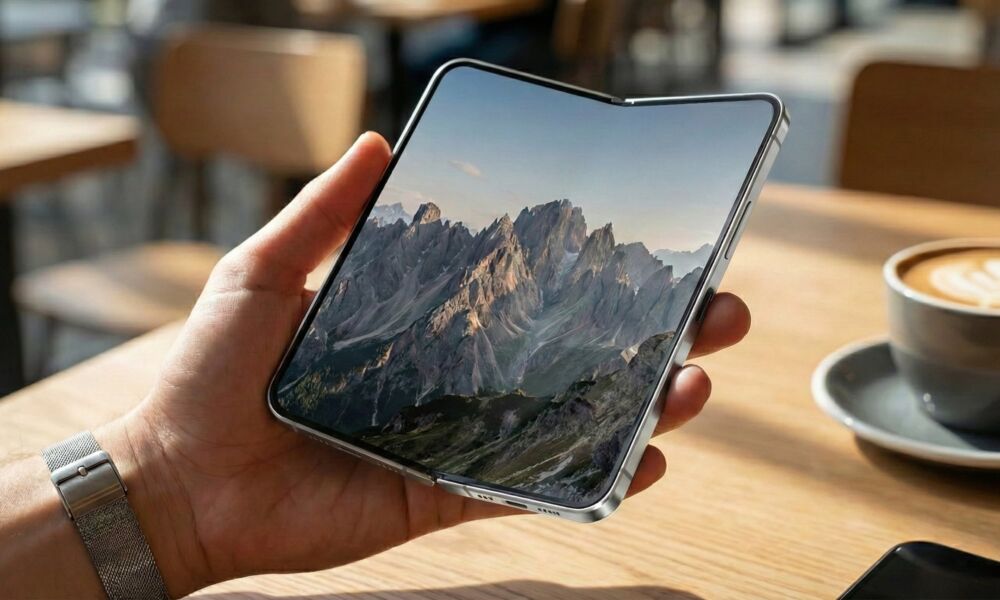 AI-generated concept image of a foldable iPhone [iDrop News / AI]
Toggle Dark Mode
By all accounts, Apple will be unveiling its first foldable iPhone in less than three months — but you may have to wait to get your hands on one.
Multiple reports have suggested Apple’s suppliers are struggling with some of the finer details of the new device, from hinge issues to circuit board bottlenecks, and some even suggested it might miss its 2026 debut entirely.
However, the consensus among the usual sources is that Apple is more likely to announce it on schedule, even if it has to delay the launch date or force eager early adopters to wait out longer shipping times.
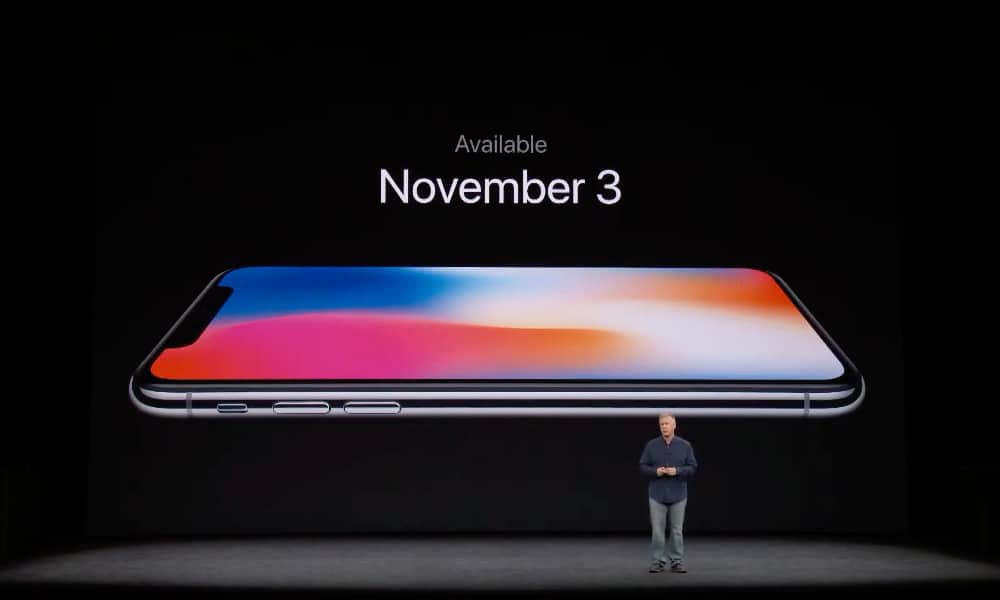
It certainly wouldn’t be the first time Apple has done that, and it’s especially common when it comes to new product categories. The original iPhone, Apple Watch, HomePod, and Vision Pro were all unveiled months ahead of when they went on sale, and even the iPhone X, while not a completely new product, didn’t go up for pre-order until nearly six weeks after it was announced in 2017.
By that standard, the so-called “iPhone Fold” (or “iPhone Ultra,” depending on which side of the rumor mill you’re on) will likely end up somewhere in the middle. While it’s still technically an “iPhone,” it’s also breaking even more new ground than the iPhone X did nine years ago — and Apple analyst Ming-Chi Kuo thinks it’s going to follow the same playbook.
In a long-form post on X, Kuo suggests Apple’s foldable will “repeat the iPhone X story,” with a big announcement alongside the iPhone 18 Pro and iPhone 18 Pro Max, but a later launch.
He doesn’t specify a time frame beyond saying that it will probably be “4Q26,” but that’s not saying much as it would only push it into October, a mere 2–3 weeks after Apple’s usual iPhone release dates. However, Kuo also tosses another variable into the mix: the foldable iPhone is likely to be in short supply even after it goes on sale. Kuo expects demand to remain strong for the new device, “even at a price of roughly US$2,300–2,500.”
This means the foldable iPhone could sell out immediately after pre-orders open, with delivery lead times quickly stretching to 4–6 weeks or longer and remaining there through December.
Ming-Chi Kuo
As a supply chain analyst, Kuo sees the foldable iPhone as facing many of the same manufacturing challenges that the iPhone X did. That earlier model was the first to adopt an OLED display and the TrueDepth camera system that powers Face ID. We’ve come to take those things for granted today, but that was a lot of new technology for 2017, and it took some time for Apple’s suppliers to get production sufficiently ramped up to meet demand.
This isn’t the first time we’ve heard this from Kuo. The analyst shared a similar prediction in December, suggesting at the time that development was “behind earlier expectations,” and that “the foldable iPhone could be facing shortages until at least the end of 2026.”
This week’s follow-up suggests that not much has improved. Kuo’s latest information suggests that Apple will only ship 7–8 million units of the foldable this year, and while up to 1 million of those could ship by the end of September — in “3Q26” — there’s a good chance those will only be filling warehouses to prepare for an October or November launch.
The good news is that this is expected to stabilize by early 2027, as the “launch buzz” wears off and Apple’s suppliers get into the groove. By then, Kuo says, analysts will also have a grip on the “true demand” for the first-generation foldable.
[The information provided in this article has NOT been confirmed by Apple and may be speculation. Provided details may not be factual. Take all rumors, tech or otherwise, with a grain of salt.]