The Three-Year Itch: Why We’re Finally Keeping Our iPhones Longer
 New Africa / Shutterstock
Toggle Dark Mode
Many of us fall into upgrade cycles that aren’t that healthy. Sure, we all love having Apple’s latest tech, but that doesn’t mean we have to upgrade our iPhone every year or two. Of course, Apple would love you to do that, but it’s not something most of us should do.
In fact, many people keep their iPhones for longer than you realize. Upgrade cycles have been gradually stretching out over the past few years as iPhones get better, batteries and repairs become easier to manage, and new models feel more redundant than revolutionary. That doesn’t mean people never upgrade quickly, but it does mean the old two-year smartphone cycle feels much less normal than it once did.
With that said, there’s been a new trend thanks to everyone’s favorite words: artificial intelligence. Let’s break down the numbers and see how old people’s iPhones are on average. The numbers might be way different from what you thought.
People Are Taking Longer to Upgrade to a New iPhone
According to Assurant’s trade-in and upgrade data, most people are keeping their iPhones for 3 to 4 years.
The data shows that the average age of traded-in Apple iPhones reached 3.78 years in the second quarter of 2024, then eased slightly to 3.63 years in the fourth quarter of 2024. Since we’re talking about averages here, that’s not the age of every iPhone in active use, but it’s still a very useful real-world indicator of how long most people are holding onto their phones before replacing them.
With that said, Assurant also shared that they expect this number to change because of artificial intelligence. Thanks to AI, people are expected to upgrade their devices a bit faster. As older hardware doesn’t support all the new AI features, Assurant expects many users will upgrade sooner to make the most of this new technology.
Still, remove AI from the equation and you’ll see people keeping their iPhones for almost five years. There’s also survey data indicating a slightly younger age for smartphones still in active use. Investor’s Business Daily, citing a UBS survey, reported that the average iPhone in use in the US was about 35 months old — or just under three years.
Additionally, a late 2025 report from Consumer Intelligence Research Partners (CIRP) showed that 42 percent of US iPhone buyers were replacing a phone they had owned for three years or longer, up from 32 percent a year earlier. At the same time, only 29 percent were replacing a phone that was two years old or less. That’s a pretty strong sign that longer ownership is becoming more common, not less.
Put those numbers together and the answer becomes clearer. It seems like, on average, people are holding on to their iPhones for at least three years, with some even keeping them for four.
Of course, if your iPhone is in that age range but still feels fast, holds a charge reasonably well, and continues to get current iOS updates, there may not be any urgent reason to replace it yet. The calendar matters, but it’s not the only thing that matters.
Modern iPhones Are Built to Last Longer

Depending on who you are and how much you love new tech, these averages might not feel like the real answer. You might prefer keeping your iPhone for longer, or switch it after only one or two years.
Regardless of what you prefer, Apple has made new iPhones more capable than ever, and now they can last longer.
Apple’s own data helps explain why the number feels a little slippery. In its Longevity, by Design report, Apple says there are hundreds of millions of iPhones that have been in use for more than five years — and that the number is still growing.
That’s a huge tell that iPhones often stay useful far beyond the typical upgrade window reports talk about. Apple also says software support has lasted much longer than the old industry norm, with major feature updates reaching as far back as six years from the original release in some cases.
That matters because a five-year-old iPhone doesn’t always disappear when the original owner upgrades. It may become a backup or a child’s first phone. So even if you don’t think you’ll use your iPhone for over three or four years, you can still make use of it after it’s no longer your main device.
Why People Are Keeping Their iPhones Longer
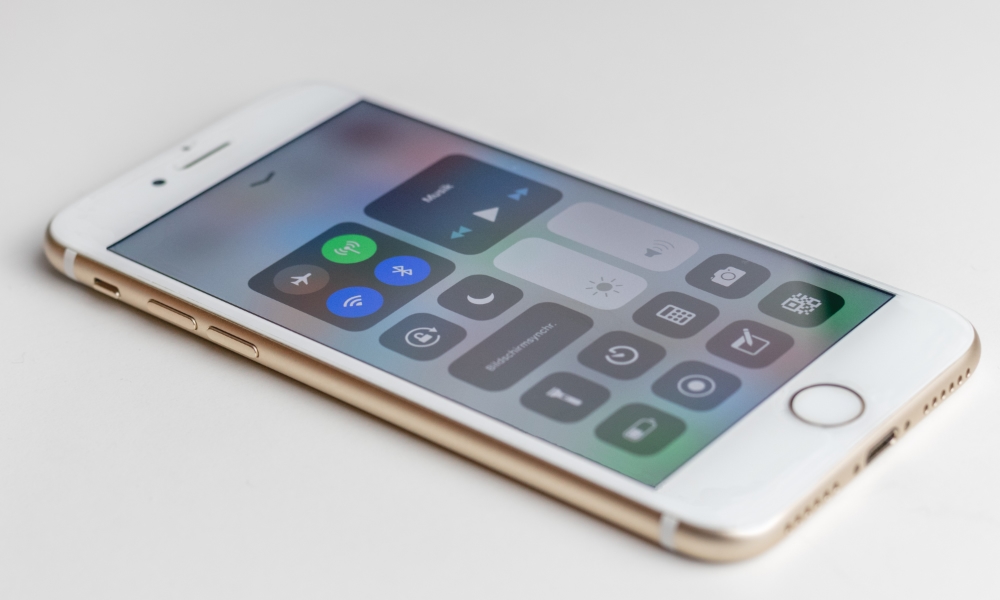
Now it’s more than clear that most people on average keep their iPhones for far longer than most of us would’ve thought. And the reasons aren’t exactly a mystery.
Modern iPhones have matured a lot. The basics people care about most, like messaging, social apps, banking, maps, streaming, and everyday photos, already work well on several generations of older hardware. That means the pressure to upgrade every year or two just isn’t what it used to be. When the experience still feels good enough, people naturally stretch the lifespan of the phone they already have.
Of course, with Apple Intelligence only supported on modern iPhones, these statistics could change in the next couple of years. While the massive “upgrade supercycle” predicted back in 2024 has been more of a steady climb than a vertical spike, it’s clear that Apple Intelligence has become the primary reason for users to let go of their aging hardware. The company still has more exciting things to come, but the iPhone 15 Pro and iPhone 16 models will likely remain the baseline for Apple Intelligence for at least another couple of years, making any shorter upgrade cycles more of a brief surge than the start of a new trend.
Combine a high-quality smartphone with the fact that everything is getting more expensive due to inflation, and most regular people won’t even think about upgrading their devices as much as they used to.
Beyond money, Apple’s own longevity goals reinforce that trend too. Now that Apple makes some pieces of hardware easier to repair and provides software support for more years, it’s easier than ever to keep an older iPhone in tip-top shape for longer.
The Better Question to Ask Before Upgrading
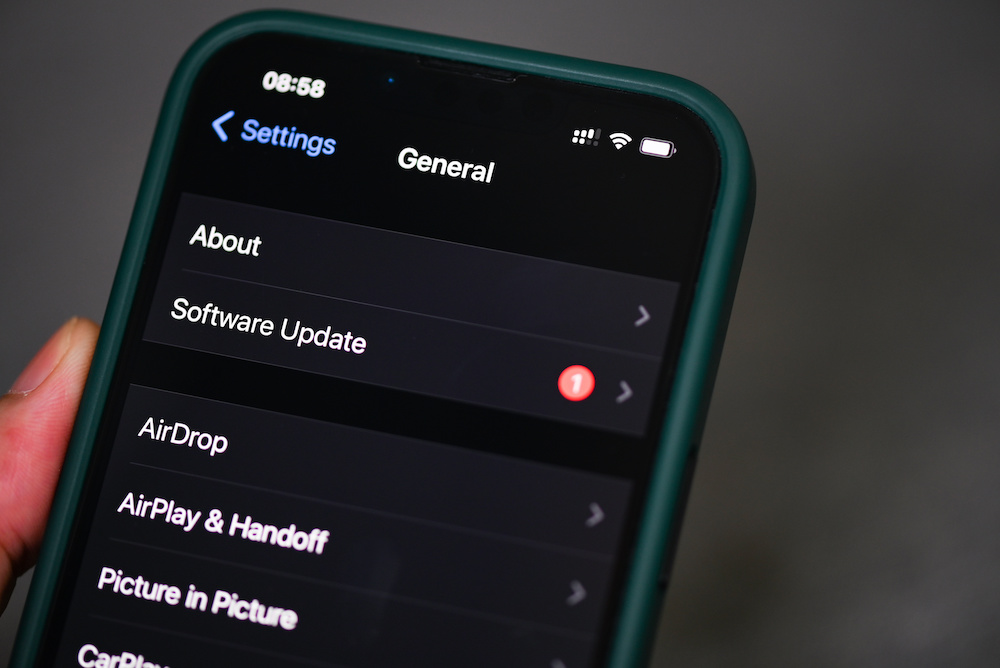
Now that iPhones are a more solid combination of hardware and software that could, in theory, last for over five years, we should probably stop asking “how old is my iPhone” before considering an upgrade. Instead, it’s best to ask ourselves, “Is my iPhone still doing what I need it to do?”
That’s a much better way to think about upgrades, because age alone doesn’t tell the whole story anymore.
An iPhone is not automatically too old just because it reaches the four- or five-year mark. If it still performs well enough for your daily use, still gets security updates, and doesn’t frustrate you every time you pick it up, there’s a good argument for keeping it longer. Sure, you’ll probably miss that new iPhone feel, but you’ll get it back eventually. Plus, you’ll get more time to save money for when you actually need to upgrade.
Apple’s own data about the hundreds of millions of older iPhones that are still being used makes that point pretty clearly. Plenty of older iPhones are still doing real work for real people.
When It’s Actually Time to Upgrade
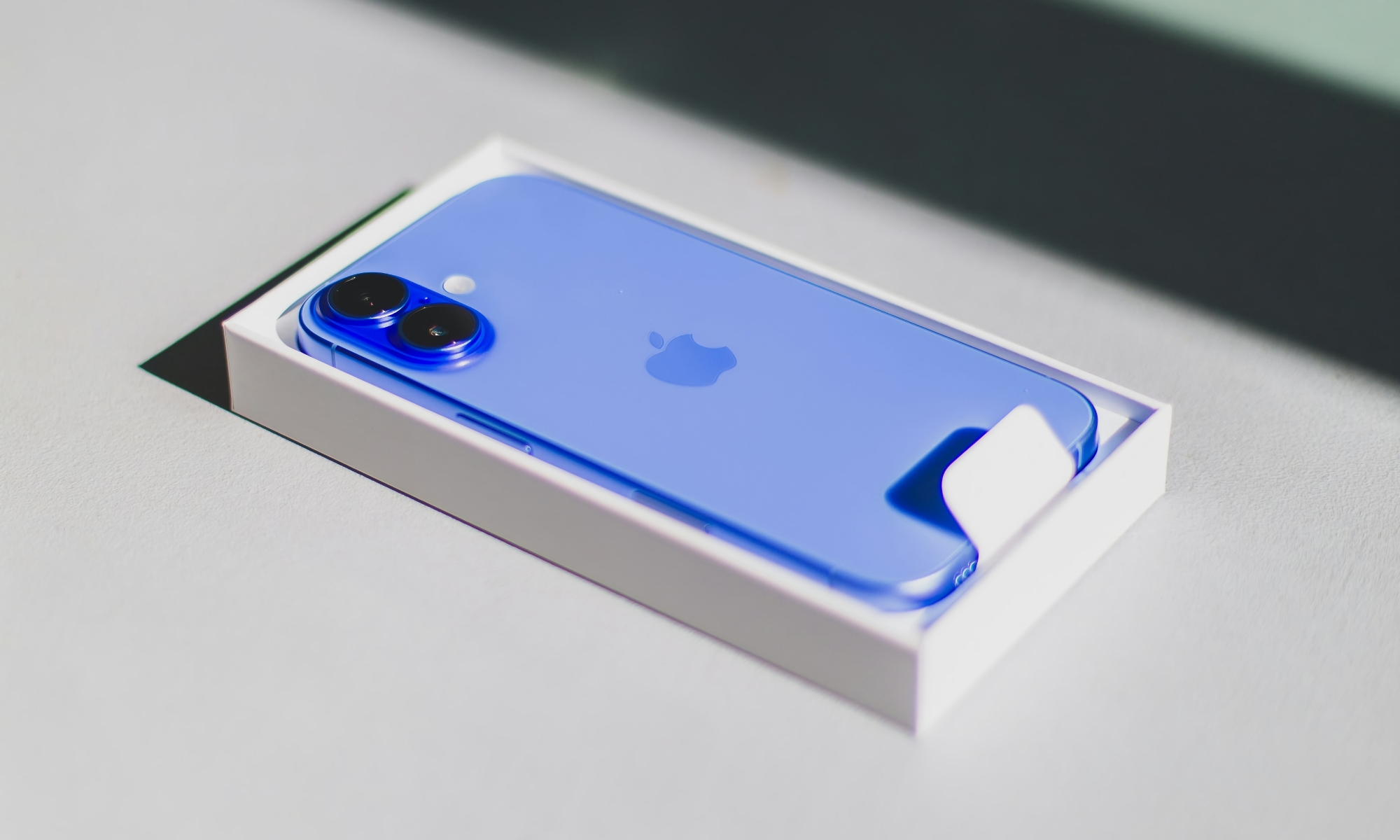
Battery life is usually the first major warning sign. Apple notes that lithium-ion batteries chemically age over time, and as they age, performance and battery life can both be affected. If your iPhone no longer gets through a normal day comfortably, even after you’ve adjusted settings, that’s often the first real clue that the device is a bit too old for you. Still, an $89 battery replacement is far easier on the wallet than a new iPhone.
Performance and heat are the next big clues. If apps reload constantly, the camera takes too long to open, the phone runs unusually hot during normal tasks, or the whole system feels slower after newer iOS updates, you might want to consider an upgrade. Still, check your battery health first, as an aging battery can actually force your iPhone to run more slowly than it otherwise would. If your battery health is significantly below the 80 percent mark, simply replacing the battery could give it a new lease on life.
Another thing to keep in mind is software support. Apple says software support is a key pillar of product longevity, especially for security updates and bug fixes. With that said, just because an iPhone doesn’t support the latest iOS update doesn’t mean it becomes unusable overnight. But it does mean that you’ll lose access to new features and even security updates, leaving your iPhone more vulnerable.
Keep Your iPhone for Longer
Most people don’t need to upgrade their iPhone as often as they think. As you saw, many users keep their iPhones for at least three and a half years, and if you take care of it, your iPhone could easily last you over five years.
Combining top-notch software and hardware, with the fact that things aren’t getting cheaper, is a pretty compelling argument to keep your iPhone for longer. But even if you can afford it, it’s really not the best decision to upgrade every year or two.
Most iPhones are pretty similar inside and out. It would be best to save money until a real upgrade comes around, like when Apple introduced MagSafe support in 2020 or Apple Intelligence in 2024.
So if your iPhone still feels reliable, keep using it. There’s no harm in keeping older tech if it still does the job for you. And if it’s starting to fall apart in the areas that matter most, like battery life, speed, or software support, that’s when you should actually think about upgrading — or at least considering a battery replacement.