The Netgear Monopoly: Is the FCC Playing Favorites with Your Wi-Fi?
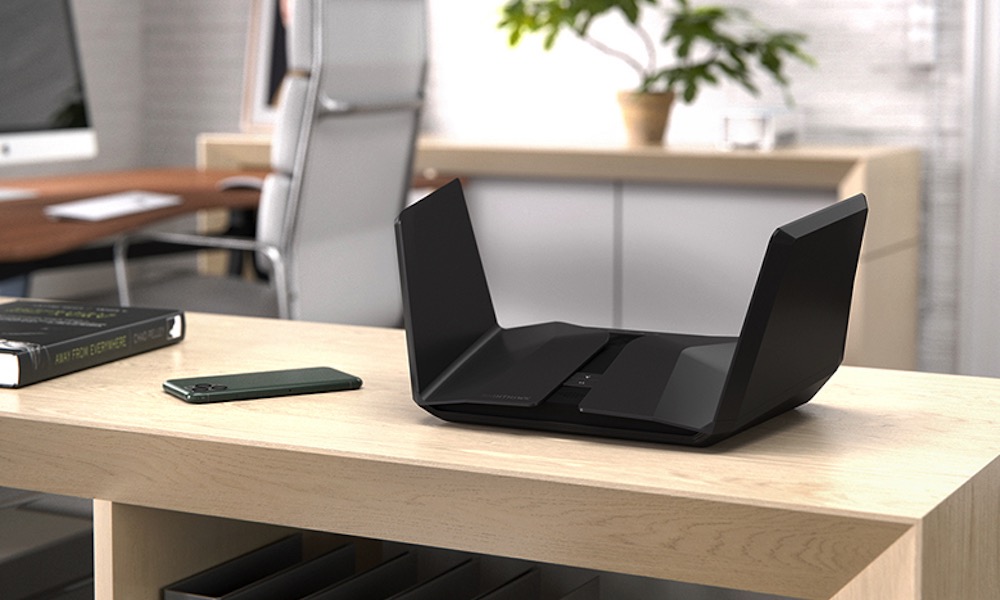 Netgear
Toggle Dark Mode
Following a ban on the import and sale of new wireless routers last month, the Federal Communications Commission (FCC) has now mysteriously granted an exemption for one US company — despite it having done nothing to comply with the agency’s new requirements.
To recap, the FCC banned all new foreign-made routers from being imported or sold in the United States, declaring that they “pose unacceptable risks to the national security of the United States or the safety and security of United States persons.” While this initially raised concerns that it might soon become impossible to buy a new router, the decision was a bit less far-reaching than some feared.
Unlike the US International Trade Commission (ITC), which famously banned the Apple Watch for infringing on patented blood oxygen monitoring technology, the Federal Communications Commission can’t directly block the import or sale of products.
However, since all electronic devices that operate over radio communication frequencies or even have the potential to cause interference need to be approved by the FCC, the agency has a great deal of power to indirectly block the import and sale by either revoking authorizations or refusing to grant new ones. A product that isn’t FCC-authorized technically can’t even be sold second-hand, much less by major retailers. US Customs also won’t clear products for import without a proper FCC authorization.
While the FCC has traditionally only pulled authorizations for purely technical reasons, it’s more recently added national security as another justification under which it can pull the plug. Thankfully, it hasn’t done this for routers. Instead, it’s only refusing to grant new authorizations.
In practical terms, that means there’s no ban on importing or selling any routers that have already been approved by the FCC — even if that approval only came days before the new order was issued. Everything that’s been released can still be sold, and new products can still be imported. That means you’ll be able to buy any new router for the foreseeable future.
The problem is that things will get more complicated with new products, and as new technologies like Wi-Fi 8 become mainstream, it’s going to be harder to find routers that support them. That’s because any router manufacturer outside of the US will not be approved by the FCC — even if it’s sold by a US-based company like Google, Eero (Amazon), or Netgear.
Netgear’s Mysterious ‘Get Out of Jail Free’ Card
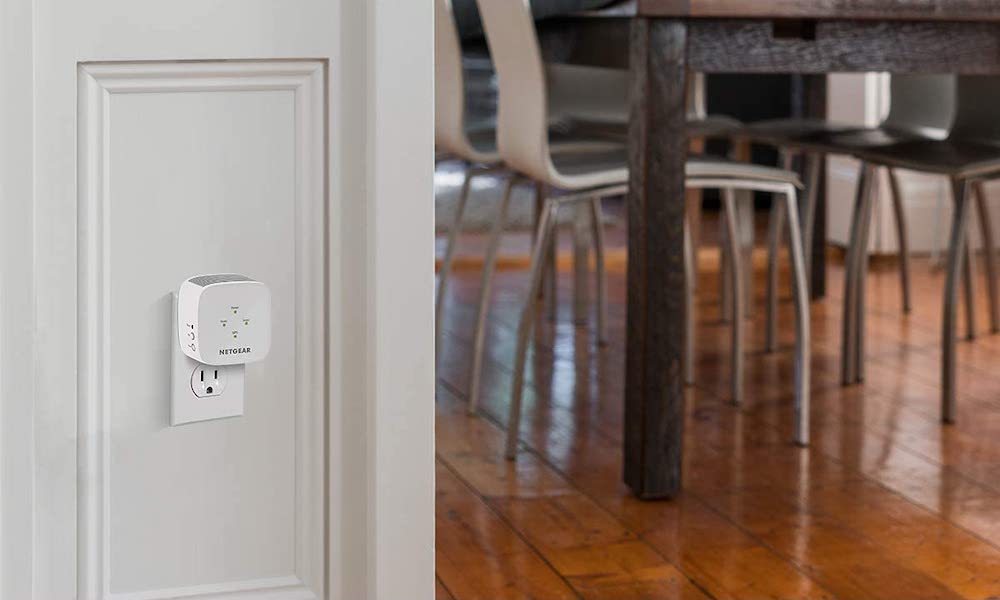
At least, that was the policy until this week. Now, it seems Netgear has received a Conditional Approval from the FCC — but nobody seems to be quite sure why.
When it announced the ban in March, the FCC’s Conditional Approval process appeared to be somewhat complex, requiring companies to prove that their devices don’t post national security risks and move their manufacturing onto US soil, where it would presumably be easier to ensure the security of the process. However, there are no indications that Netgear has even committed to doing any of this, much less begun the process.
The FCC announced the Conditional Approval in a bulletin alongside uncrewed aircraft systems (UAS) but it didn’t provide any rationale for the exemption, which applies to “Netgear, Inc.’s Nighthawk consumer mesh, mobile and standalone routers (R, RAX, RAXE, RS, MK, MR, M and MH series), Orbi consumer mesh, mobile and standalone routers (RBK, RBE, RBR, RBRE, LBR, LBK and CBK series), cable gateways (CAX series) and cable modems (CM series).”
AppleInsider was told by a Netgear spokesperson that the company simply applied for conditional approval and got it. That seems like an unusually easy process, considering the original ban said router makers were required to submit “a detailed, time-bound plan to establish or expand manufacturing in the United States.” While it’s certainly possible Netgear’s application made those commitments, both the company and the FCC are unusually quiet about an issue that the current administration is so strongly committed to that it’s usually shouted from the rooftops.
As The Verge’s Sean Hollister points out, Netgear’s disclosures to the US Securities and Exchange Commission (SEC) also don’t say anything about investments in US manufacturing. The Verge asked Netgear and the FCC for some more specific information on what kind of plans and commitments the company made to receive its Conditional Approval, but has yet to receive a response.
Netgear’s CEO, CJ Prober, claimed the foreign router ban was primarily about “stronger safety and security standards,” implying that Netgear has somehow improved its security and therefore qualified for an exemption. However, as The Verge explained last month, the conditional approval process seems to have far more to do with where a router is physically made than specific safety and security standards, as it asks plenty of questions related to the former and none about the latter. Netgear does emphasize that its products are made in countries that are “considered allies by the U.S. government,” such as Indonesia, Vietnam, and Thailand, but this is the first indication that this would qualify a company for any exemptions to the ban.
What’s perhaps more interesting is that the FCC’s decision has handed Netgear an effective monopoly on future router sales in the United States. Since almost no routers are manufactured on US soil, nearly every company will be blocked from selling their new models in the US unless they can receive similar Conditional Approvals. That includes other popular US-based heavyweights like Google’s Nest and Amazon’s Eero,