
macOS 27 Golden Gate Pulls the Plug on Apple’s Beloved Time Capsule
 Apple
Apple
Toggle Dark Mode
With macOS 27 Golden Gate, Apple is drawing some hard lines in the sand for its legacy. Not only does this year’s big release close the book on the Intel Generation, but it’s also marking the official end of a device that was once the pinnacle of a now-forgotten Apple product family: the AirPort Time Capsule.
If you’ve only come to the world of Apple devices in recent years, you may find it surprising that Apple was once in the router business. Yes, that’s right: for years, the company that makes your iPhone and Mac also made a surprisingly solid lineup of Wi-Fi routers, from the pocketable $99 AirPort Express to the $299 AirPort Time Capsule with a built-in hard drive to store your Mac’s Time Machine backups.

Many people don’t realize that Apple was actually a pioneer that broke new ground in consumer Wi-Fi. The company debuted its first AirPort router in 1999 at Macworld New York to complement its brand-new iBook, the first mass consumer product to offer wireless networking — a pretty big deal in an era when the vast majority of people were still using wired Ethernet connections and had never even heard the term “Wi-Fi.”
When Apple Ruled the Airwaves
In fact, the terminology was so unknown at the time that “AirPort” wasn’t just the brand name of Apple’s new routers; it was what Apple called its wireless connectivity. The iBook had “AirPort” capabilities that allowed it to connect to an “AirPort” router, and Apple released “AirPort” cards that could be used to upgrade other Macs. This was so revolutionary that it was presented as one of the first of Steve Jobs’ famous “one more thing” keynote epilogues. Watching Jobs walking around the stage and surfing the web on an iBook with no wires was in the same class as watching him pull the iPod nano out of his jeans pocket and slide the MacBook Air out of a manila envelope.
Apple followed that original AirPort up in 2003 with the AirPort Extreme, offering a bump from the 11 Mbps speeds of the original AirPort (which used the 802.11b protocol) to a whopping 54 Mbps (thanks to the newer 802.11g specification). Then came the AirPort Express, a little base station that became legendary due to its support for streaming music from a Mac using a new “AirTunes” protocol — the direct precursor to what we know today as AirPlay. This was the state of the art for digital whole-home audio in 2004, and I still have a half-dozen original AirPort Express units in my basement from the days when I deployed them around my house solely to be able to stream music in every room.
The AirPort family continued to grow from there as new protocols and technologies arrived. From 2008 until 2013, the advent of even more powerful 802.11n and 802.11ac standards — now retconned as Wi-Fi 4 and Wi-Fi 5 today — led to two new generations of AirPort Express and ultimately the redesigned tower-like AirPort Extreme.
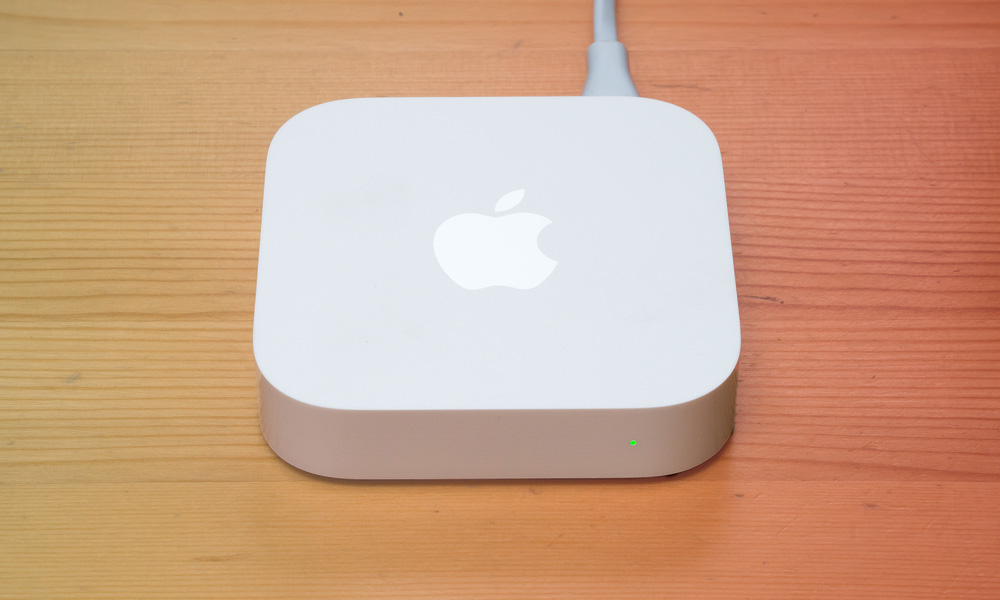
In 2008, a few months after Apple debuted Time Machine in Mac OS X Leopard, it released the first Time Capsule — a version of the AirPort Extreme with a built-in hard drive designed to serve as an appliance-style destination for Mac backups. The original flat version mirrored the 2007 AirPort Extreme, and looked a lot like the Mac mini and Apple TV of the day (before Apple shrunk its set-top box into a smaller black puck-sized device), and came in 500 GB and 1 TB capacities.
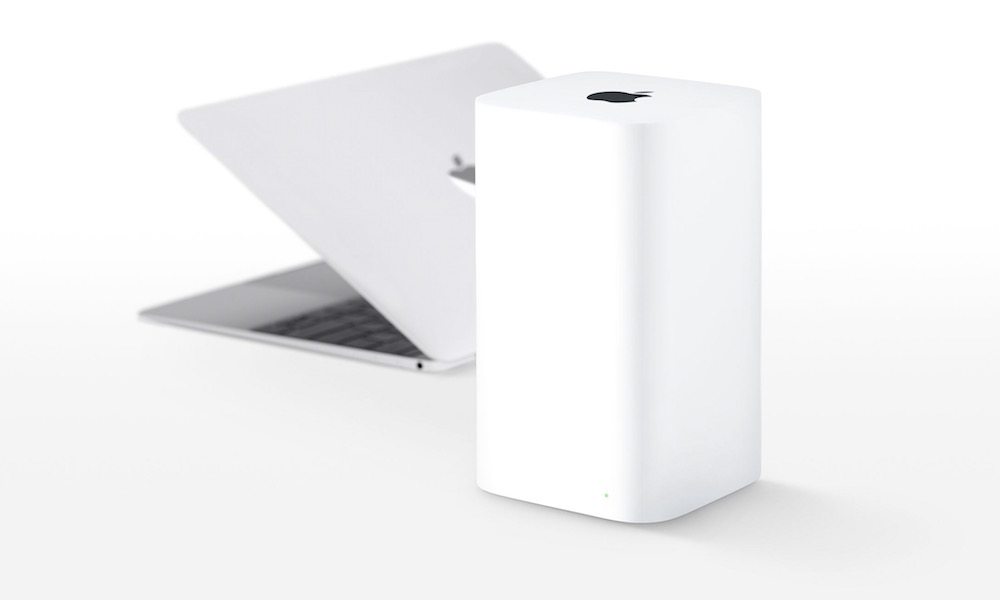
When Apple released the redesigned 802.11ac (“Wi-Fi 5”) AirPort Extreme and AirPort Time Capsule in 2013, they adopted a sleeker tower form factor, presumably to help with antenna placement and range. The Time Capsule remained visually identical except for the hard drive inside, which had grown to 2 TB and 3 TB options in the years since the original launched. This was also the point at which it gained the “AirPort” prefix.
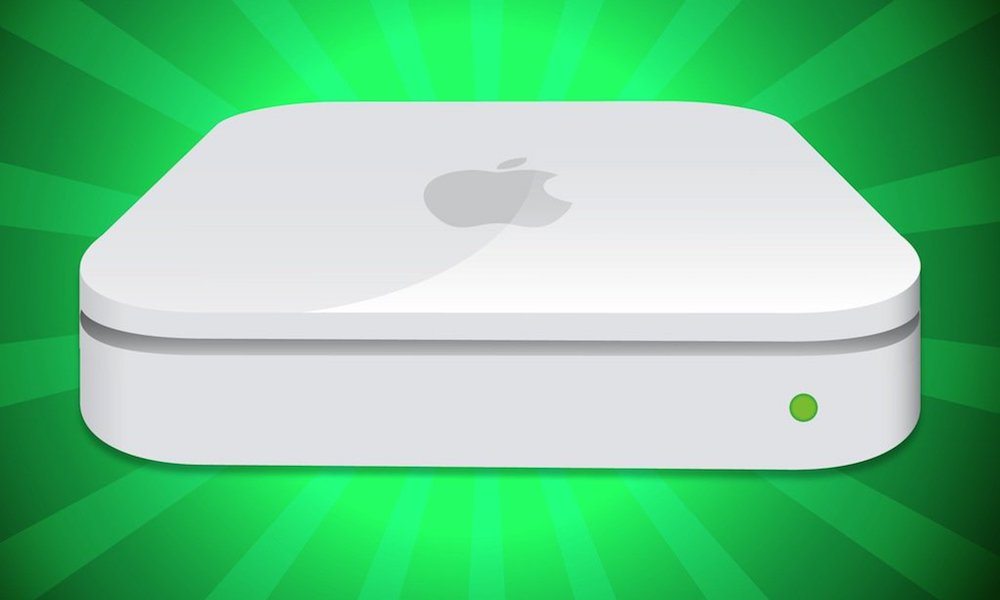
Sadly, the AirPort Time Capsule was the last of the AirPort base stations. There would never be another. While Apple continued to support all its current AirPort routers with firmware updates, sources told Bloomberg’s Mark Gurman in late 2016 that Apple had shut down its wireless router division to focus on more popular products. Apple made it official less than two years later, announcing that it was discontinuing all AirPort base station products, and would only be selling off existing inventory. The AirPort Express got one last 2018 firmware update to add AirPlay 2 support after that, but inventory officially dried up by late 2018, and the AirPort products became the stuff of legends.
Like most discontinued products, the fact that Apple wasn’t selling these devices didn’t mean they became doorstops for anyone who already had one. Although the relatively dated Wi-Fi protocols meant the AirPort Express and Time Capsule were quickly superseded by better routers, especially as Wi-Fi 6 became mainstream, the AirPort Express still made for a great AirPlay audio adapter, and many folks hung onto their Time Capsules to use for Mac backups and other network-attached storage tasks.
Enter macOS 27: The Final Blow to AFP
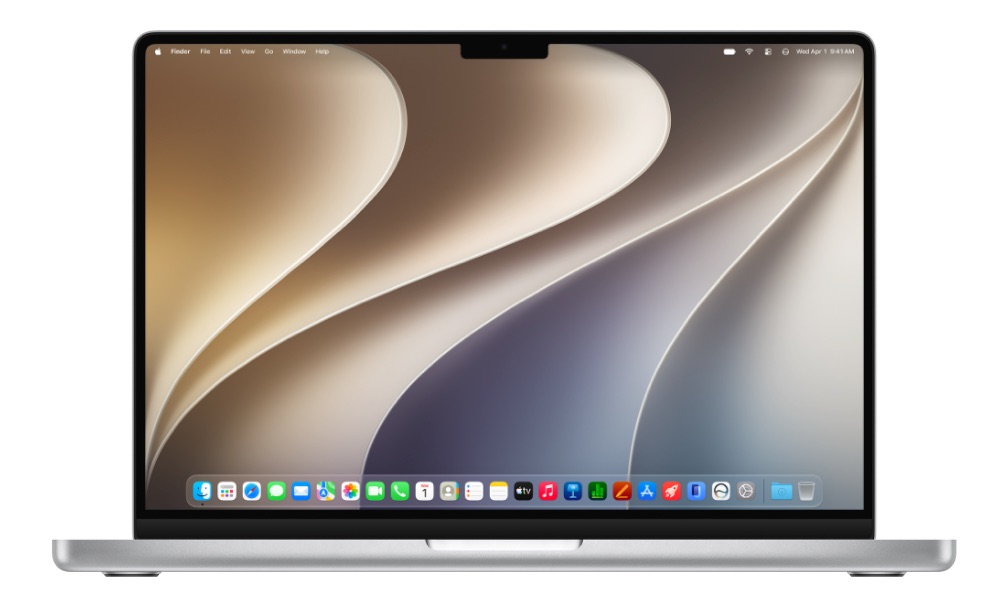
That era will now be coming to an end for anyone upgrading to macOS 27 Golden Gate this year, which is removing the Apple Filing Protocol (AFP) — a key legacy protocol the AirPort Time Capsule relied on to do its thing.
As the name suggests, AFP was a proprietary network protocol that Apple invented in the late eighties, when Unix and NetWare servers roamed the earth. As with its foray into wireless technologies, AFP was Apple’s attempt to have a foothold in the networking space at a time when it was building dedicated Mac server hardware in the form of the Xserve lineup.
Those ambitions slowly died on the vine as Microsoft became more dominant in the networking space. Apple built its last Xserve in 2010, and discontinued “server” configurations of the Mac mini in 2014. The Mac OS X Server (later macOS Server) hung on for a few more years, but it was gradually deprecated until Apple finally killed it off in 2022.
AFP followed a similar slow burn into obscurity. In 2013, OS X 10.9 Mavericks switched the default file-sharing protocol to Microsoft’s more universal SMB (Server Message Block) protocol, meaning most folks were no longer using it by default. In 2020, macOS 11 Big Sur took away the AFP server capabilities, meaning all file sharing from modern Macs was left to run strictly over SMB, and macOS 15 Sequoia formally “deprecated” AFP, starting the clock on its eventual removal.
With macOS 27 Golden Gate, that clock has run out. As Apple warned us in last year’s Tahoe release, AFP is gone in the first developer beta — and it won’t be coming back. This means that network Time Machine backups from macOS 27 will require a server that supports the latest SMB protocols.
There’s some good news for DIYers who want to hack their Time Capsules back into action. In April, the folks at AppleInsider shared news of TimeCapsuleSMB, a GitHub project that hopes to retrofit the Time Capsule with modern SMB support. Technically, the Time Capsule also supports a relatively ancient version of SMB, known as SMBv1, but that has massive security issues and has been disabled by default on macOS for years. However, it gives the GitHub crew a theoretical hook, as it only needs to upgrade the existing SMB stack, which is simpler than introducing an entirely new protocol. Still, it’s an ambitious undertaking, considering that Apple has never released the source code.
For most folks still relying on an AirPort Time Capsule, it’s likely time to cut bait and upgrade to something else. Having been released in 2013 and last sold in 2018, it’s fair to say the Time Capsule has already served anyone who has owned it quite well.






