Rising TSMC Chip Costs May Push the iPhone 18 Pro to Record Prices
Toggle Dark Mode
Last month, Apple dropped the bomb of the decade with massive price hikes on nearly everything it sells — a significant move for a company that has long treated its price tags as part of its marketing. However, if you thought those were bad, you might want to brace yourself, as there could be more coming.
June’s big price increases were a direct result of the “RAMageddon,” the euphemistic term for a current market trend that has seen both DRAM memory and NAND flash storage prices rise dramatically, driven by an insatiable hunger from AI hyperscalers building out massive data centers.
Unfortunately, there’s another pressure point that’s been waiting to drive up Apple’s costs, and that dam may be about to burst.

During Apple’s Q2 2026 earnings call, CEO Tim Cook explained that the company was having a hard time meeting demand for the Mac mini and Mac Studio, due to the “AI gold rush” — companies were gobbling them up to use as platforms for AI and agentic tools.
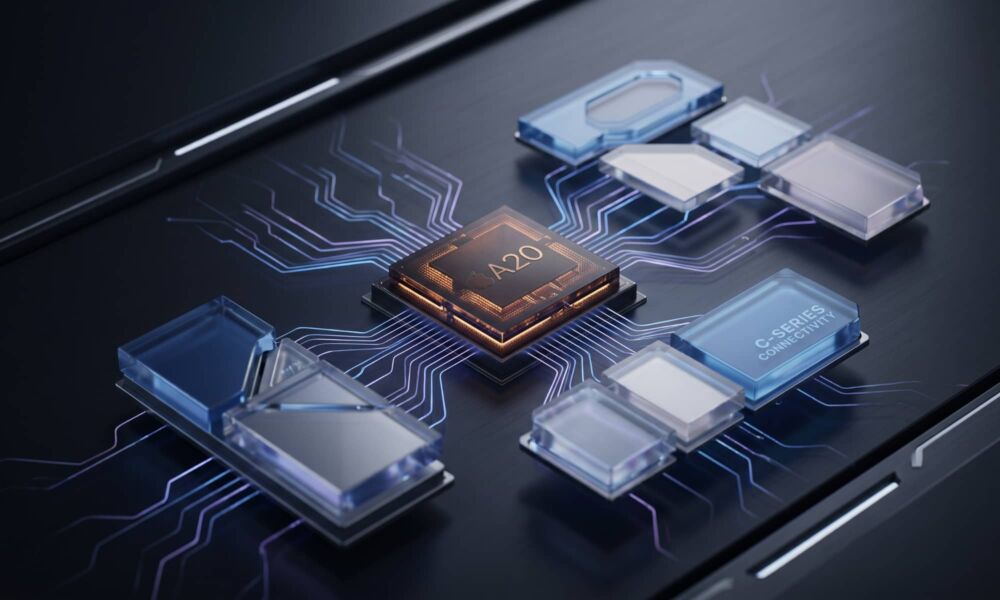
However, Cook also said Apple’s problem in keeping up with demand wasn’t just higher memory costs, but rather the availability of the advanced nodes that Apple’s A-series and M-series chips are produced on. At the end of the day, DRAM and NAND are commodities that Apple can still easily get if it’s willing to throw enough money at suppliers. On the other hand, most of its Apple silicon has to be commissioned directly from its key partner, TSMC, which only has so many production lines to go around.
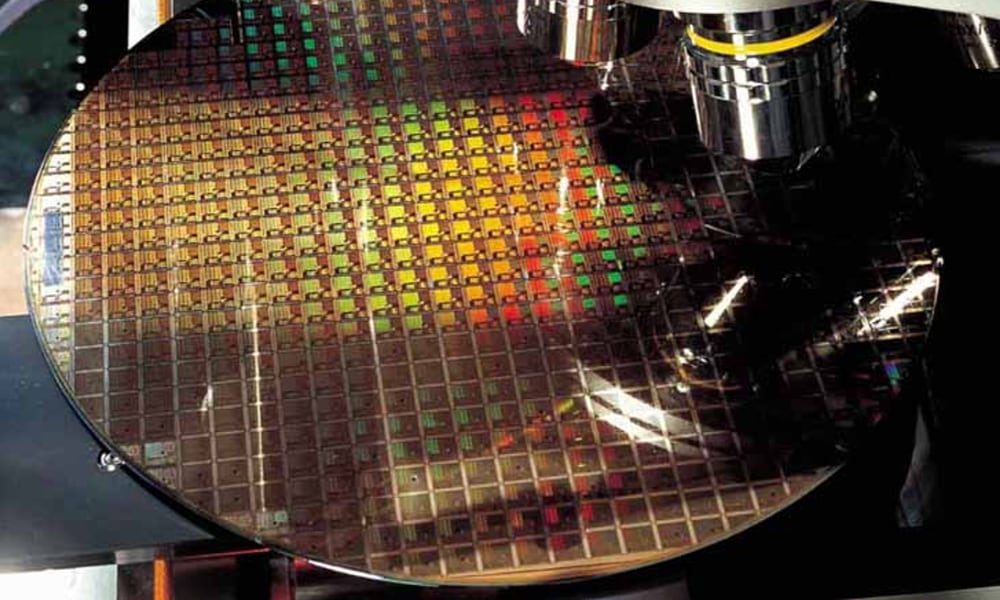
In a move that should surprise no one, those costs are rising with the rest of the tide. After all, AI companies don’t just need memory — companies like Nvidia have their own custom chips to fabricate, and TSMC makes those too. That means Apple, which once enjoyed front-of-the-line status, is now competing with deep-pocketed rivals to get its chips made.
This level of demand is no picnic for TSMC, as it’s being forced to expand more rapidly to keep its customers happy — and that’s not cheap. A new report from Nikkei Asia reveals that TSMC is now expected to raise prices by up to 10% next year to offset “rising costs for materials, manufacturing equipment and construction of new overseas chip plants.”
The world’s biggest contract chipmaker held discussions with clients about the price increases, including for process technologies at the 7-nanometer and more advanced level, which accounted for about 77% of TSMC’s revenue in the most recent April-June quarter.
Cheng Ting-Fang, Nikkei Asia
The report notes that there won’t be one universal price hike across the board. Instead, sources say they’re expected to fall between 5% and 10%, “depending on the customer and the product.”
However, that’s only the baseline for forecasted production. If a company needs high-performance computing chips — and Apple’s flagship chips certainly apply — they’ll pay an extra premium of up to 15%. Of course, Apple has generally been very skilled at forecasting demand, so it will likely be able to avoid these additional costs, but it will need to walk a finer line between overestimating — and therefore paying more upfront — or falling short and facing the surcharge.
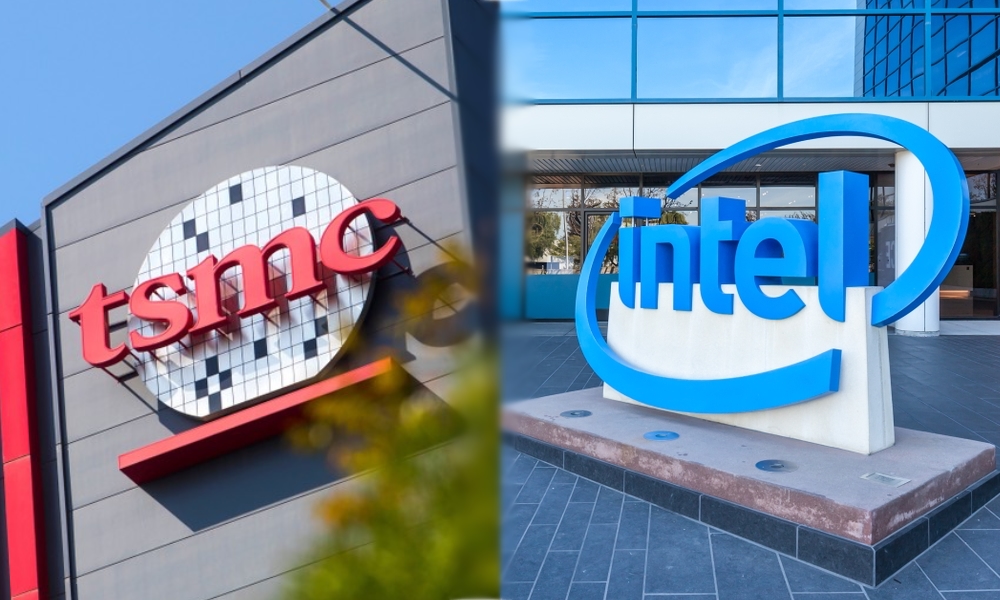
Apple has shifted some of its chip production to Intel, which may be able to hold the line more effectively, thanks to a nearly $10 billion investment by the US government, but it’s not going to take the sting off completely, as it will be years before the US chipmaker will be able to fabricate Apple’s highest-end “Pro” and “Max” silicon. By all reports, Intel is just getting started with trial runs for chips like the M7 and A21, which won’t go into any actual Apple products until late next year.
Since TSMC’s price increases aren’t expected to take effect until the start of 2027, it’s unlikely we’ll see any more price hikes before then. Further, since negotiations reportedly started in June, it’s possible Apple has already factored these additional costs into the price hikes it announced at the end of the month.
However, we’re also still waiting for the other shoe to drop; while Apple raised the prices of the Mac, iPad, and even the Vision Pro and Apple TV last month, the iPhone and Apple Watch skipped this round. The consensus among analysts is that this was merely a short respite, as Apple is announcing new iPhone 18 Pro and Apple Watch Series 12 and Ultra models in September, which will undoubtedly come with both cool new features and chilling new price tags.
[The information provided in this article has NOT been confirmed by Apple and may be speculation. Provided details may not be factual. Take all rumors, tech or otherwise, with a grain of salt.]