$3.8M iPhone 18 Pro Fraud Exposes Apple Store Security Gap
Toggle Dark Mode
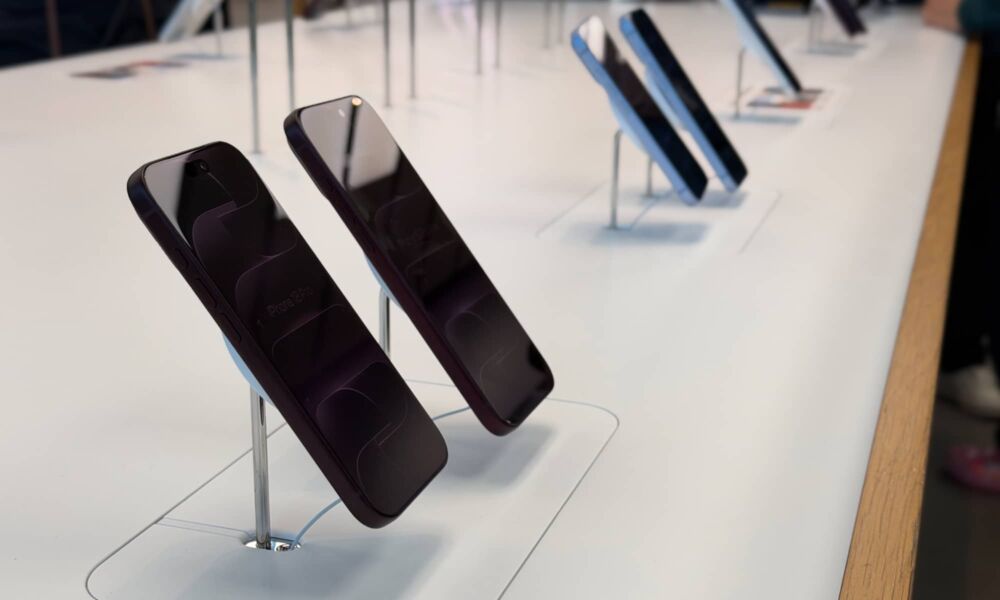
Police in Hong Kong are facing a growing problem. Ever since the debut of Apple’s iPhone 18 Pro in the region, there have been more than 1,500 cases of buyers purchasing iPhones using fake credit cards. The cops are now turning to Apple for help in stopping the crime wave.
Hong Kong’s The Standard reports that bad actors are buying the iPhone 18 Pro in bulk using fake credit cards. Earlier this month, several social media users reported unauthorized credit card transactions involving Apple’s new iPhone models. The cards had been issued by multiple banking institutions.

Commissioner of Police Joe Chow Yat-ming told a Kowloon City district council meeting that 1,503 iPhone 18 Pro card fraud reports have been made, totaling over HK$30 million ($3.82 million US). Police say that they’ve had all of these transactions canceled, ensuring that cardholders, banks, and Apple did not suffer any monetary losses.
However, the Commissioner said that Apple’s online security and verification failed to catch any of the fraudulent charges. He says the issue can be traced back to what he calls a “loophole” in Apple’s online store that skipped identity and payment verification requirements for web purchases.
“This meant that one-time passwords or mobile app verification were not required,” Chow told the South China Morning Post, “allowing fraudsters to place large orders using illegally obtained credit card information.”
Investigators also note the IP addresses connected to the orders showed bad actors used VPNs to mask their true IP addresses, while also providing false or incomplete shipping addresses. When Apple would email the “customers” for clarification of the delivery address, the crooks would then specify a public location.

As noted by Mactrast, Hong Kong police have contacted Apple, asking it to review its transaction processes to help block cases of fraud like these, as they expect to see another surge in such fraudulent schemes when Apple’s first foldable iPhone, the iPhone Duo, launches next month.
Apple has yet to comment on the issue.
This isn’t the first time that Apple’s iPhone has been a target of fraudsters. In April 2019, a pair of Chinese engineering students in Oregon were accused of defrauding Apple out of almost $900,000 as part of a counterfeit iPhone scheme that involved exchanging fake iPhones for legitimate ones.
The two men, Yangyang Zhou and Quan Jiang, had been in the US on student visas, with Zhou having completed his studies at Oregon State University a few months before, and Jiang studying engineering at Linn-Benton Community College the prior spring.
The felonious duo allegedly imported more than a thousand counterfeit iPhones from China, which they then submitted to Apple to exchange for new, legitimate iPhones under Apple’s warranty program.
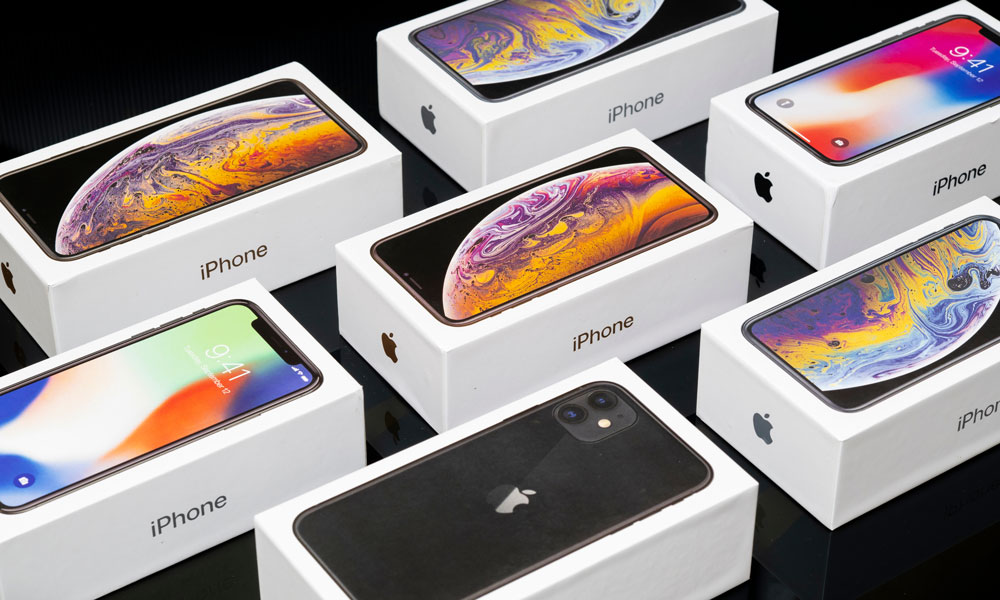
The new, genuine iPhones were then shipped to an accomplice to be sold overseas, sending Zhou and Jiang a cut of the profits. The scam is estimated to have cost Apple $895,800.
In July 2024, a multi-state Apple fraud ring was exposed by DHS following a routine traffic stop.
When Chalvin Tan was pulled over for distracted driving in Baldwin County, Alabama, cops discovered 180 Apple devices in his car, as well as engraving machines and jigs. Tan was suspected of altering counterfeit devices to make them resemble genuine Apple products, reported 404 Media.
Tan and his partners in crime would purchase genuine Apple products from Target stores and replace them with fakes, which were then returned for refunds. They used laser engravers to alter the counterfeit devices so they closely matched authentic Apple products, making them harder for store employees to spot.