The iPhone Duo Isn’t for Everyone — And Its Early Return Rate Proves That’s Okay
Toggle Dark Mode
We had to know this was coming. It’s been nearly three weeks since the iPhone Duo launched, and with the 14-day return window closing for the first deliveries last Friday, a combination of straw polls and market research is revealing that at least some folks decided they had better things to do with $2,000 after all.
It’s not unlike what we saw with the Vision Pro in February 2024, and while the iPhone Duo is a fundamentally different device than a spatial computing headset, it’s still bleeding-edge technology that carries a hefty price tag.
After Allison Johnson broke the bad news at The Verge yesterday, the folks at 9to5Mac decided to poll their readers. Of the 5,850 who weighed in, 1,791 returned it before the 14 days were up. That works out to a little over 30%.
That said, not everybody is saying why they made that call. Johnson shared a few Threads posts from people who had legitimate critiques of the device, but there’s also a good chance that at least some people never really intended to keep it in the first place.
That’s one phenomenon that was undoubtedly shared by the Vision Pro. Apple’s 14-day return policy asks no questions; you get a full refund as long as you return the device in good condition. That allows folks to engage in “test drives” with zero cost and no obligation — even if they’re just kicking the tires.
Of course, it also allows people to take the plunge risk-free. I was on the fence about the iPhone Duo myself, but since it wasn’t going on sale until a month after the iPhone 18 Pro Max, I opted for the more traditional model instead, being almost certain that would have been my preference anyway. Had it launched at the same time, I might have decided to take it for a spin first.
At the end of the day, the iPhone Duo is such a fundamentally different device that the only way for many people to decide if it’s right for them is to live with it for a week or two. There are dozens of little quality-of-life things that you don’t experience until then — even if you’ve read about them first.
For instance, the folks I’ve spoken to who took the leap on the iPhone Duo were well aware of the lack of Face ID, but it’s hard to imagine how much of a difference that makes until you’ve spent a few days massaging the side button.
Ironically, one friend who didn’t have to deal with Touch ID for unlocking because he wears an Apple Watch still returned it after deciding Touch ID prompts for things like autofill and app security were too much to deal with. Meanwhile, another acquaintance of mine decided the trade-off was well worth it for everything else that Apple’s new foldable can do. She’s gone all-in and insists she’s never going back to a traditional iPhone.
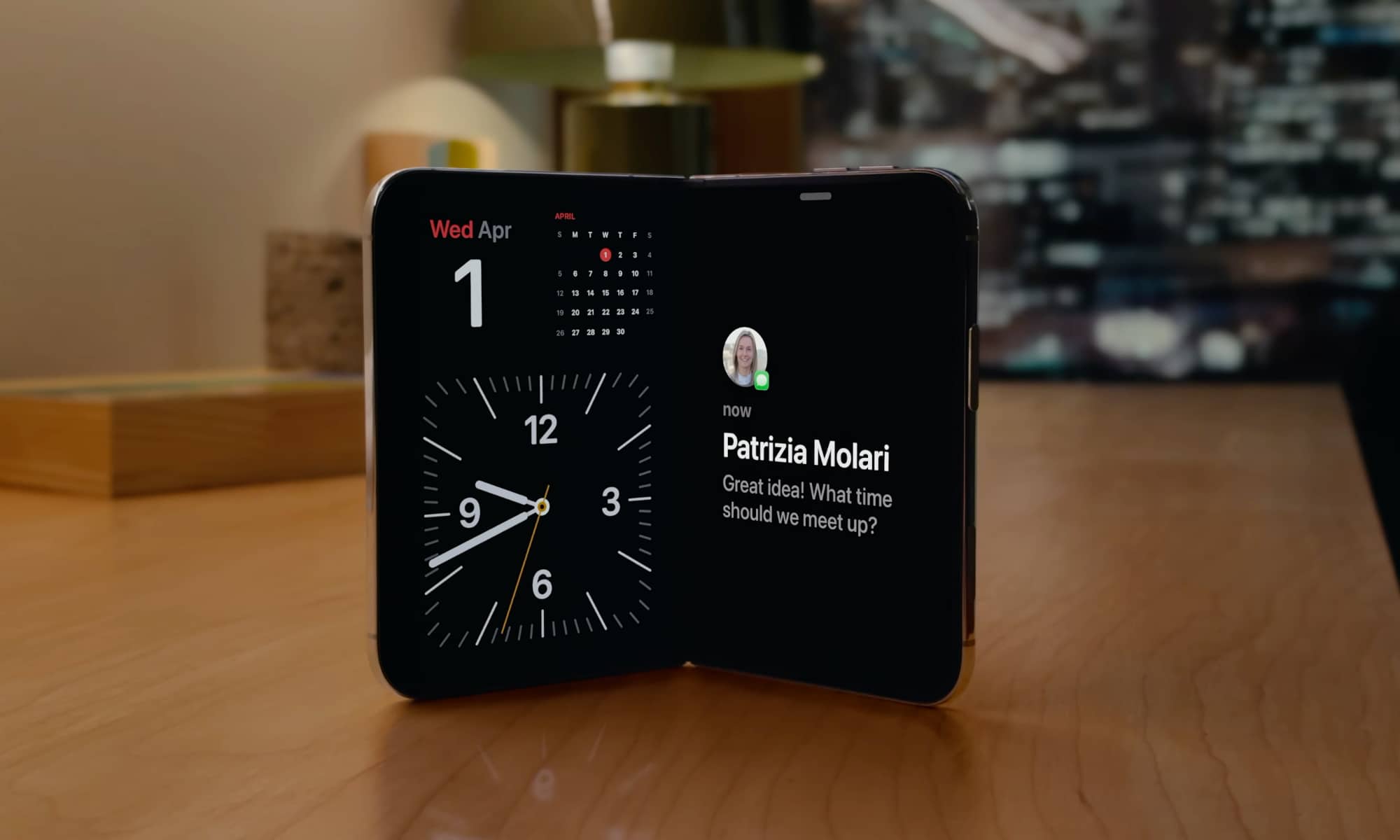
After two decades on the market, traditional iPhone models have proven themselves to the point that very few people are buying them out of mere curiosity. But the iPhone Duo is something entirely different, and many buyers are likely approaching it with the same trepidation they had for the original iPhone in 2007.
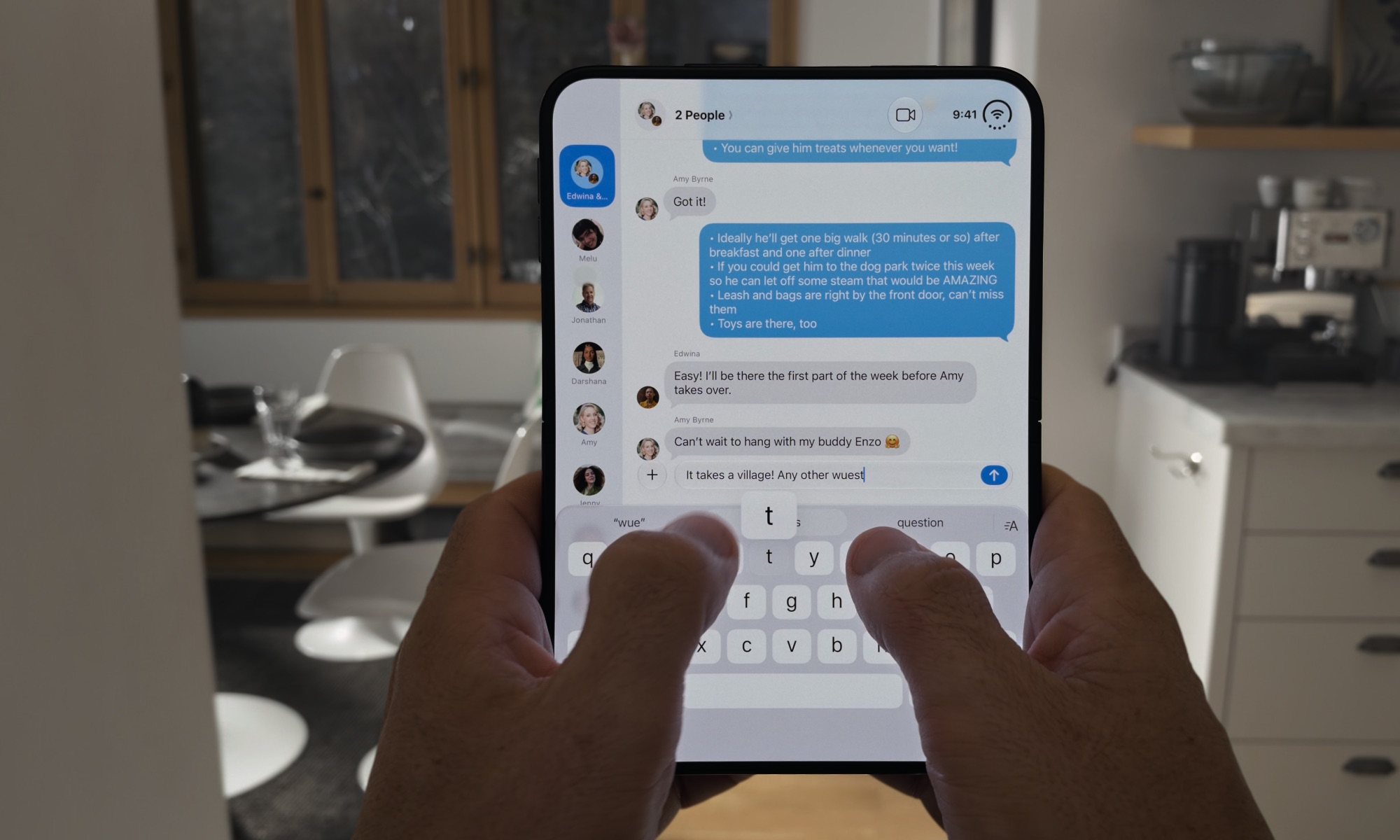
I know I wasn’t convinced the first time I picked one up. I walked out of the Moscone Center in January 2007 immersed in the famous Steve Jobs reality distortion field, wowed by the very idea, but later began questioning pretty much everything about it — especially the touchscreen keyboard. I ordered one across the border in July anyway out of curiosity, but I felt there was no way it was going to replace the trusty Nokia E90 Communicator that I’d just upgraded to (figuring that would be my “iPhone”). After all, it couldn’t even do copy and paste.
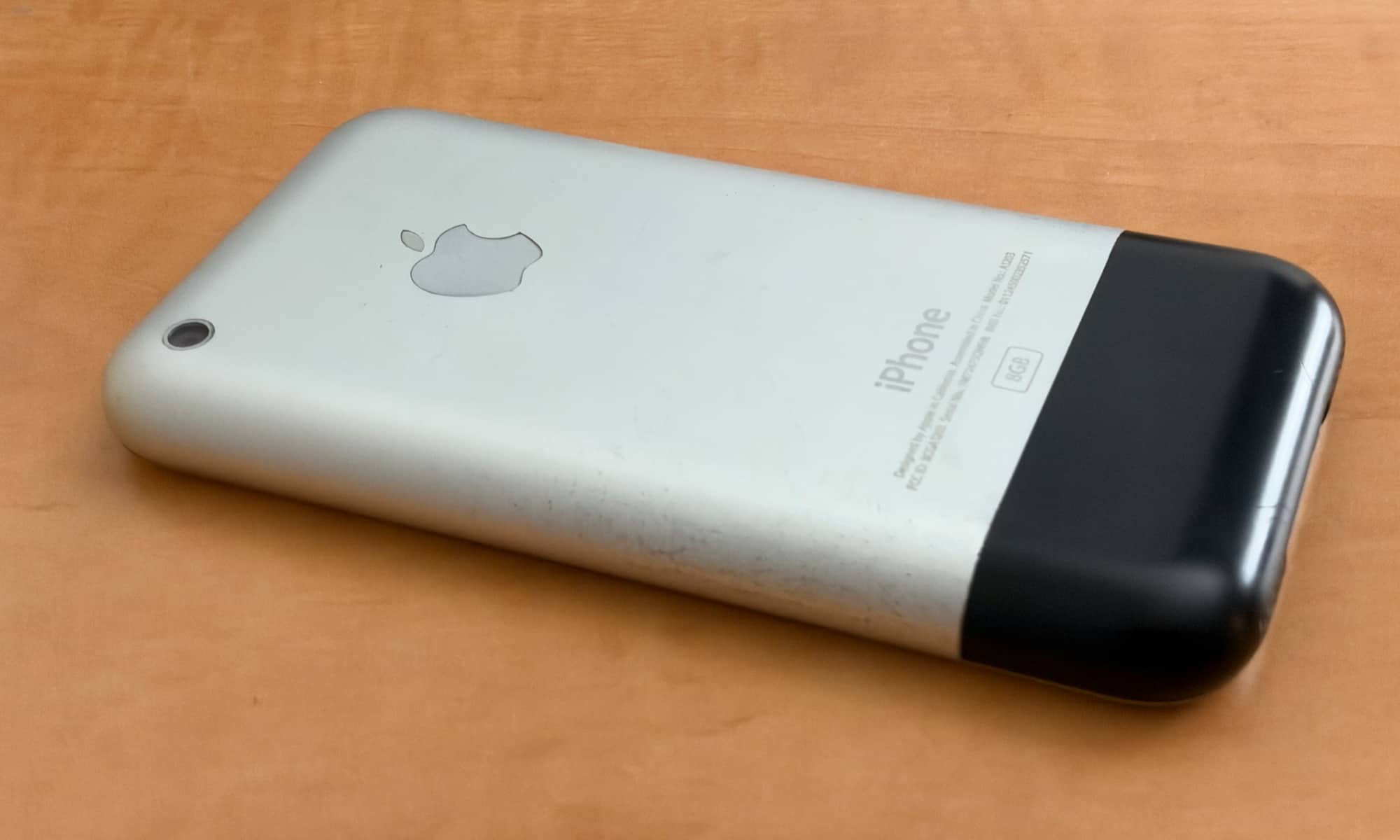
By the fall of 2007, once I’d managed to unlock it for use in Canada, I decided to use it for a while to see what it would be like. Going in, I was sure I was going to toss it in a drawer and go back to my Nokia, but after two weeks of forcing myself to work within its limitations, I realized that what it could do, it did brilliantly well, and I really didn’t need to do most of what it couldn’t.
The iPhone Duo is undoubtedly the same story. In this case, I know it’s not for me simply because I’m the kind of guy who wants to be able to pull my iPhone out of my pocket, do something with one hand, and then put it back. Not to mention I like the Pro cameras and can’t even imagine living without Face ID. But I’m also not really an iPad user, either; my iPad mini spends most of its time collecting dust on my desk, and I don’t think having a foldable one in my pocket would mean much to me.
Unlike the Vision Pro, which had legitimate issues with weight and practicality (not to mention price), I don’t think we need to read too much into the number of iPhone Duo returns. A foldable smartphone isn’t for everyone, and Apple knows that. Even the most optimistic reports said Apple had only expected to sell around 10 million of them by the end of 2026 (the shortages are because it was reportedly only able to produce about 6 to 8 million for launch). By contrast, Apple expects to move 60 million iPhone 18 Pro models, split about evenly between the iPhone 18 Pro and iPhone 18 Pro Max.