Could the Architect of Apple Silicon Become Nvidia’s Next CEO?

Toggle Dark Mode
As Nvidia deals with the aftermath of CEO Jensen Huang’s resignation over the revelation of two extramarital affairs, including one with an alleged Chinese spy, one of the people being considered as a possible replacement is Johny Srouji, Apple’s chief hardware officer and the key driver behind the company’s move from Intel to Apple silicon.
This morning, CNN reported that Huang has indeed stepped down from the Nvidia CEO position. The company said Chief Financial Officer Colette Kress will serve as interim CEO while the board searches for a permanent successor. Nvidia also named former Synopsys CEO and board member Harvey Jones as its first-ever board chairman. Huang will also leave his seat on the company’s board.

According to Semafor, while the company’s board is considering promoting an interim CEO from within, it is also considering bringing talent in from outside the company — namely Srouji.
The full board was scheduled to meet Wednesday evening, the report’s sources said. A senior Trump administration official confirmed that the Nvidia board had informed the White House about its planned meeting.
Johny Srouji is an Israeli engineer and business executive who was promoted to chief hardware officer in the wake of John Ternus’ elevation to the CEO’s office. While Apple announced Srouji’s promotion in April, the same day the company named Ternus as the CEO designate, Srouji didn’t officially take on the new title until Ternus became CEO on September 1.
Srouji joined Apple in 2008 and led development of the A4, the first Apple-designed system-on-a-chip. In 2015, he was promoted to an entirely new office of senior vice president of hardware technologies, which operated in parallel to the hardware engineering division, which was led by Dan Riccio at the time.
Following Riccio’s reassignment to Apple’s secretive special projects division in 2021, John Ternus was promoted to senior VP of hardware engineering. Ternus served alongside Srouji until moving up to the top job in September, at which point Apple folded the hardware engineering and technologies divisions together under Srouji’s new C-level role.
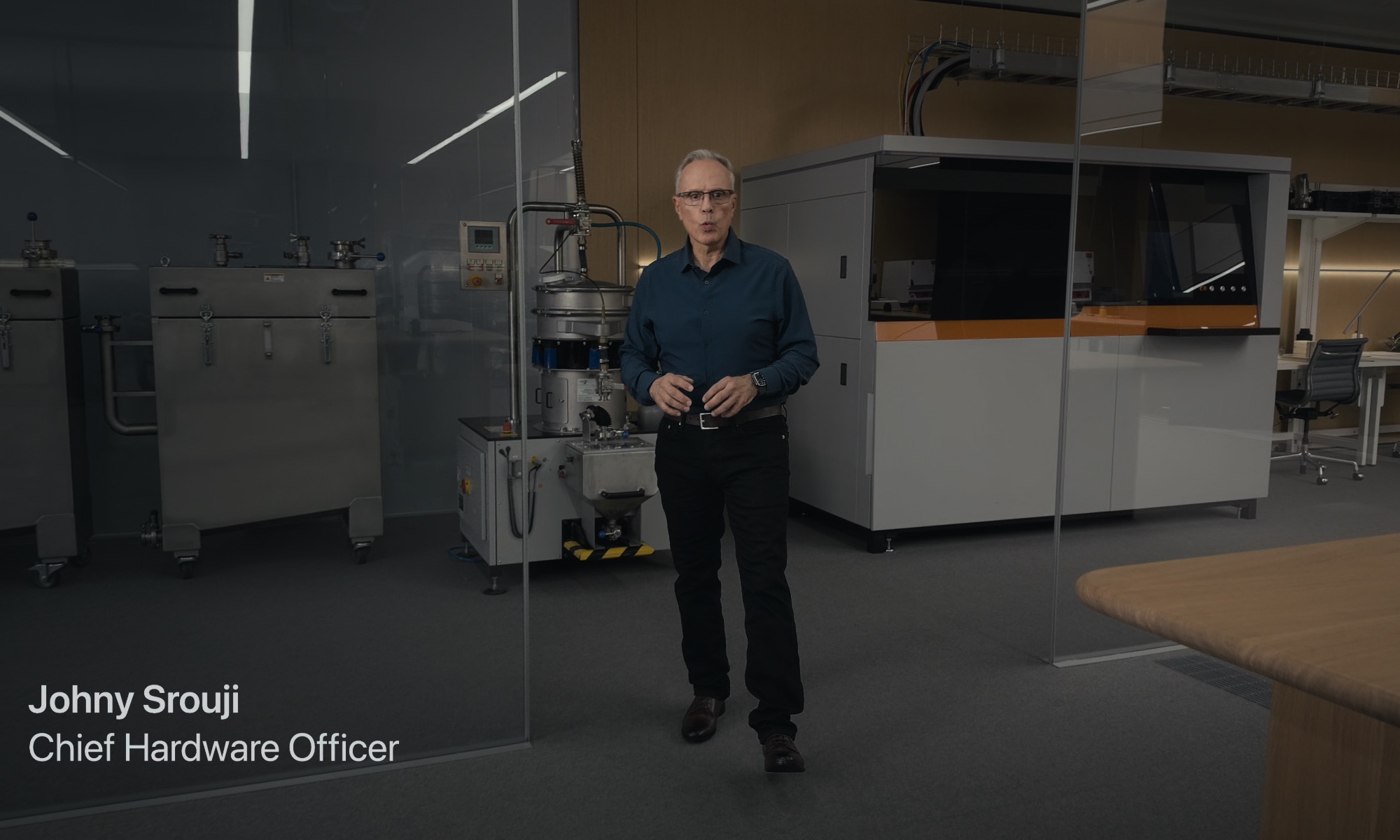
Srouji, who was among the executives considered for Intel CEO in 2019, would certainly be a top candidate for the position, thanks to having the technical knowledge needed for such a job. So far, no other candidates have been formally mentioned for the post other than Kress.
Some pundits have already put forward Tim Cook’s name as another possibility, including President Trump, but there’s no indication that anyone inside Nvidia is taking that seriously, least of all Cook. As John Gruber puts it, “If Cook wanted to be the CEO of a Fortune 2 company, he’d still be CEO at Apple.”
With Srouji already in his early sixties, there were whispers he was considering retirement prior to his ascension to hardware chief. That said, Jensen Huang is 63, and Bloomberg‘s Mark Gurman reported last year that Srouji was looking for greener pastures.
Still, as noted by Mactrast, Srouji quashed those rumors a few days later. “I love my team, and I love my job at Apple, and I don’t plan on leaving anytime soon,” Srouji said in an internal memo that was clearly intended to leak out.
The controversy that led to Huang vacating the CEO’s office began with the revelation of his affair with an alleged Chinese spy. While the Nvidia board backed Huang following that exposure, the revelation of a second affair prompted the board to reconsider its position.
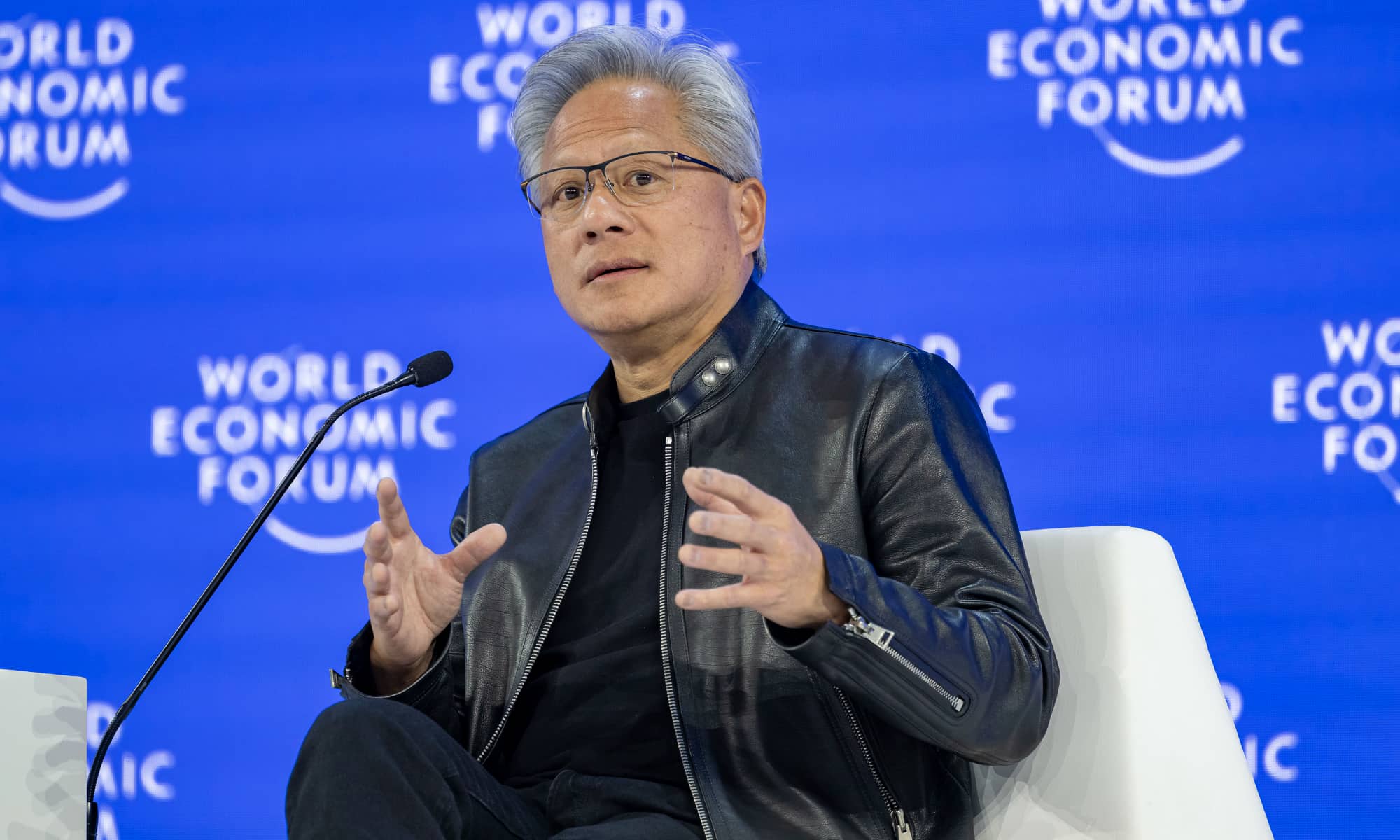
The $4 trillion company’s board announced a Wachtell Lipton-led probe into whether Huang may have divulged corporate secrets or endangered US national security. Nvidia has entered into financing deals worth billions of dollars underwriting the massive AI expansion.
Nvidia’s stock fell more than 8% in after-hours trading, hitting a 52-week low.
US Democrats moved swiftly after the news, as scrutiny increased as to how much the Trump administration knew about Nvidia CEO Jensen Huang’s relationship with an alleged Chinese spy. The scandal comes one week before a scheduled superpower summit.
Senators Chris Coons and Elizabeth Warren sent a letter to members of President Trump’s cabinet on Wednesday asking them to preserve documents related to Nvidia’s chip exports to China or entities that could divert such chips to the country.
The duo also asked Commerce Secretary Howard Lutnick, Secretary of State Marco Rubio, and White House Chief of Staff Stephen Miller to preserve any documents or communications involving Huang and the suspected Chinese spy he was said to have had an affair with, as well as any correspondence between Huang and the president.
“This incident raises significant concerns about the federal government’s ability to effectively enforce our export controls and protect our national security,” the senators wrote in the letter. “Reports suggest that officials within the government — including at the White House, State Department, and Commerce Department — were aware of concerns about NVIDIA, its relationship with Megaspeed, and the suspected Chinese intelligence operation, yet did not move to block the continued flow of advanced AI chips.”
Apple and Nvidia have long battled for the position of world’s most valuable company. This controversy has certainly been to Apple’s advantage, as the revelation of Huang’s shenanigans and the ensuing espionage scandal has caused a steep drop in Nvidia shares. Nvidia, along with other AI-centric firms, was already facing a deteriorating market cap. Then, after the first affair was revealed, the company’s valuation dropped by over $800 billion in a single day.