Apple Unveils iPhone 18 Pro with Next-Level Photography Power
Toggle Dark Mode
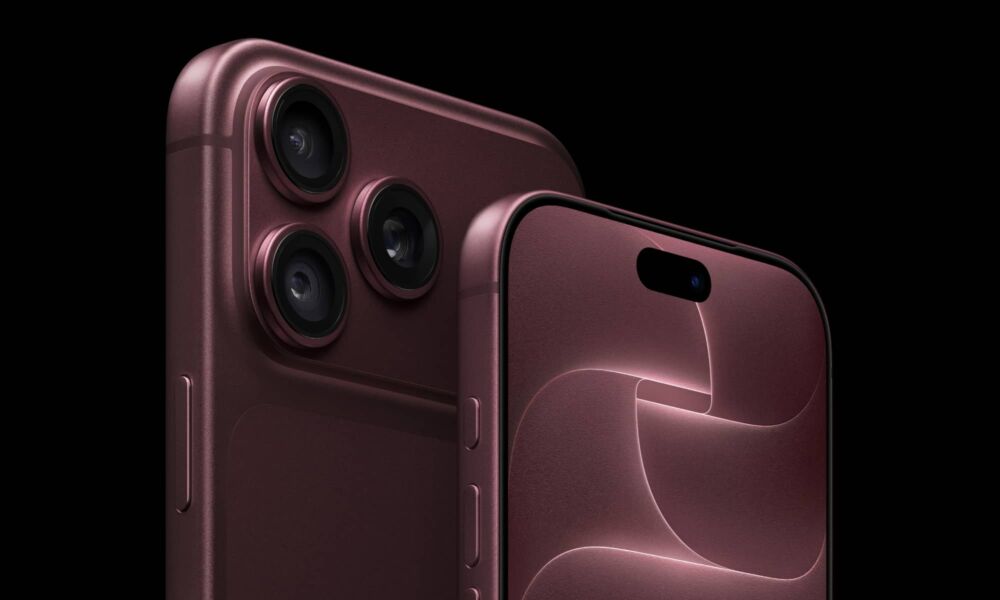
While the iPhone Duo was arguably the show-stealer at today’s “Surprise and Shine” Apple Event, the anchors remained Apple’s established flagships — the iPhone 18 Pro and iPhone 18 Pro Max.
Thanks to the rumor mill, we already had a pretty good idea of what was coming, but Apple did throw us one refreshing curveball: After months of rumors of potentially massive price hikes, this year’s iPhone Pro models managed to come in at only $100 more, even as the rest of the industry puts out the fires of the RAMpocalypse — the rising RAM and storage costs that seem to be driving prices up across the board.

This means that the iPhone 18 Pro now starts at $1,199 for the 256 GB model, while the iPhone 18 Pro Max gets bumped up to $1,299. That’s still a noticeable bump, considering how many years Apple spent holding the line on iPhone pricing, but it’s hardly a deal-breaker — especially considering what these new models are bringing to the table.
True ‘Pro’ Photography
Apple’s iPhone Pro models have always had some of the best cameras on the market, but this year’s releases may be the first entries that can truly hold their own against actual professional-grade standalone cameras.
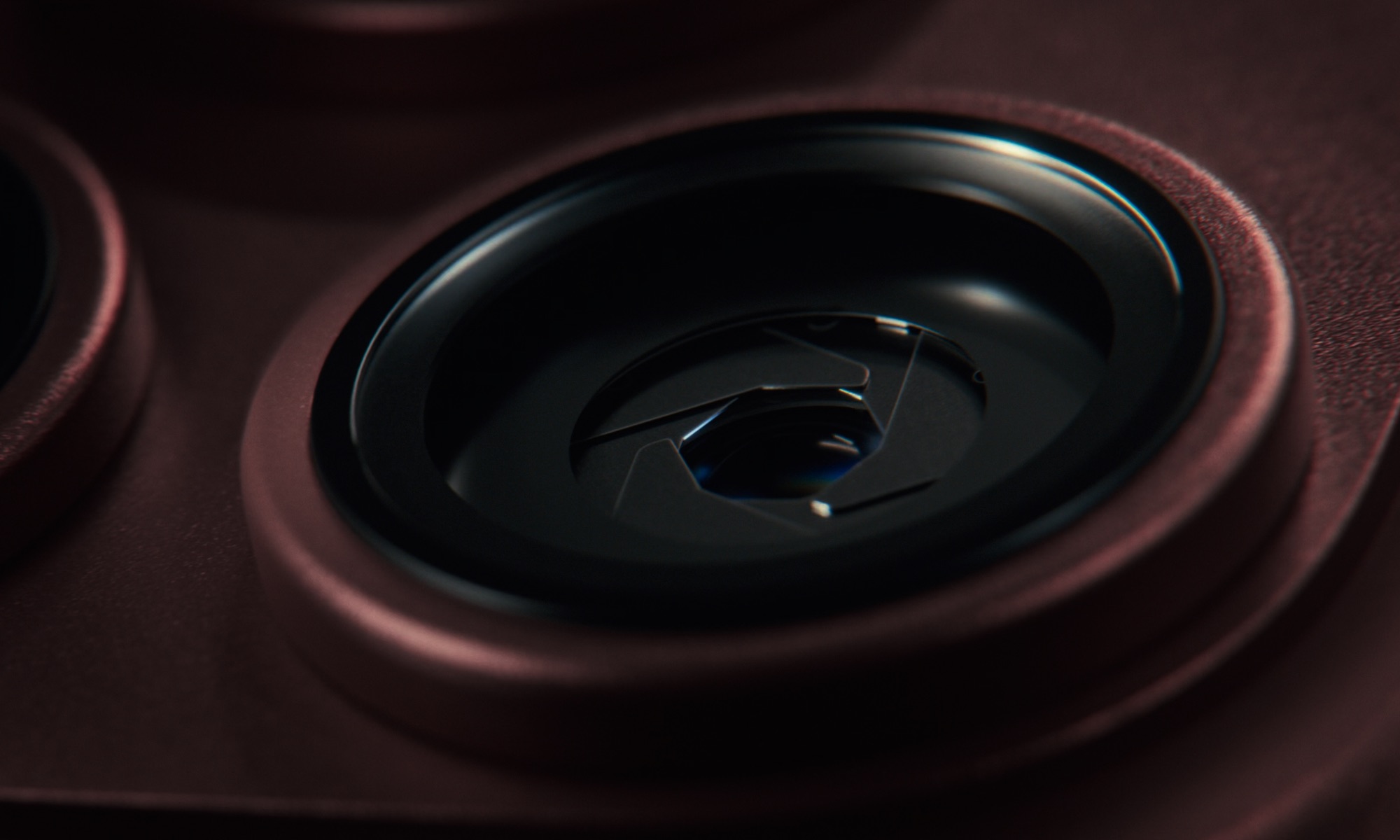
That’s primarily because the iPhone 18 Pro and iPhone 18 Pro Max have just added a variable aperture to the main camera, bringing nuanced control that allows for shooting in more challenging lighting situations and — for the first time — proper depth of field that doesn’t rely on computational photography tricks.
While the range doesn’t appear to be quite as significant as what you’ll find on a DSLR lens — there are four fixed settings of f/1.48, f/1.8, f/2.8, f/4.0 — it’s still something that no iPhone has ever been able to do before. The iPhone 17 Pro was fixed at an f/1.78 aperture, and therefore had to rely on other tricks to manage light capture. By contrast, the iPhone 18 Pro can go both wider and narrower to not only manage the lighting conditions, but pull off effects that were previously impossible with an iPhone.
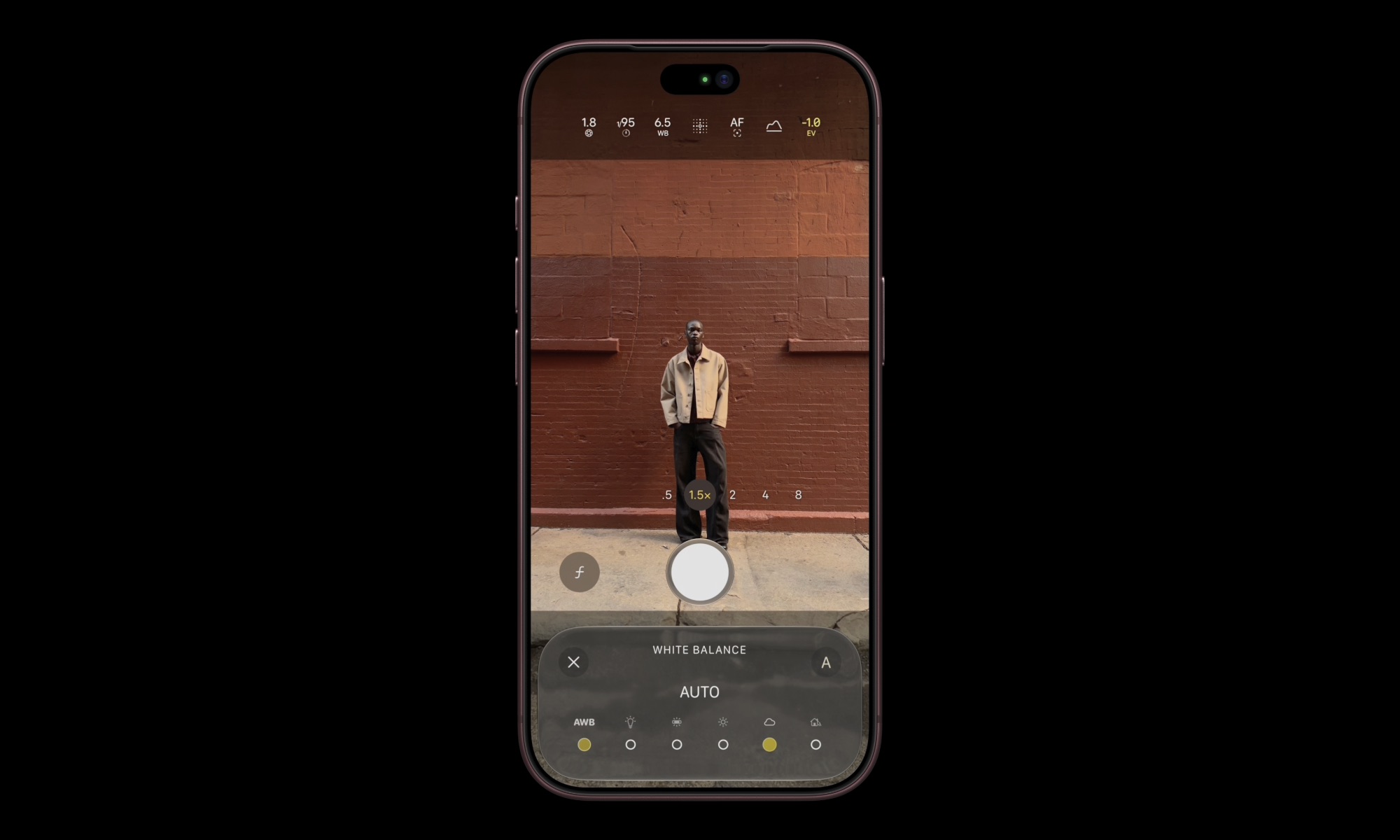
What’s even better is that while the aperture can be managed automatically by default, the iPhone 18 Pro models are adding a new fully manual “Pro controls” mode that will not only allow users to adjust lens aperture, but also shutter speed and white balance, while offering a histogram view to tweak things just like you could on a higher-end standalone digital camera. Developers of third-party camera apps will also be able to adjust all these settings through a new API. We’d heard about the customizable camera app as an iOS 27 feature, but it looks like Apple was simply saving it for the iPhone 18 Pro models; there’s no indication any manual adjustments will be coming to older models.
As with nearly every new iPhone Pro generation, there’s also a new sensor that will provide better image quality, plus an improved computational imaging pipeline that supports a new third generation of Photographic Styles that will allow the adjustment of texture and grain for even more creative control.
Apple is also improving Cinematic video effects by letting users apply them to videos that have already been recorded, up to 60 frames per second. Time-lapse videos can also now be shot in 4K and Dolby Vision HDR, and Audio Mix has been improved for better voice mixing and support for isolating music. There’s also AI-powered smart focus tracking that will use on-device AI to lock on to moving subjects while recording a video to ensure everything always remains in focus.
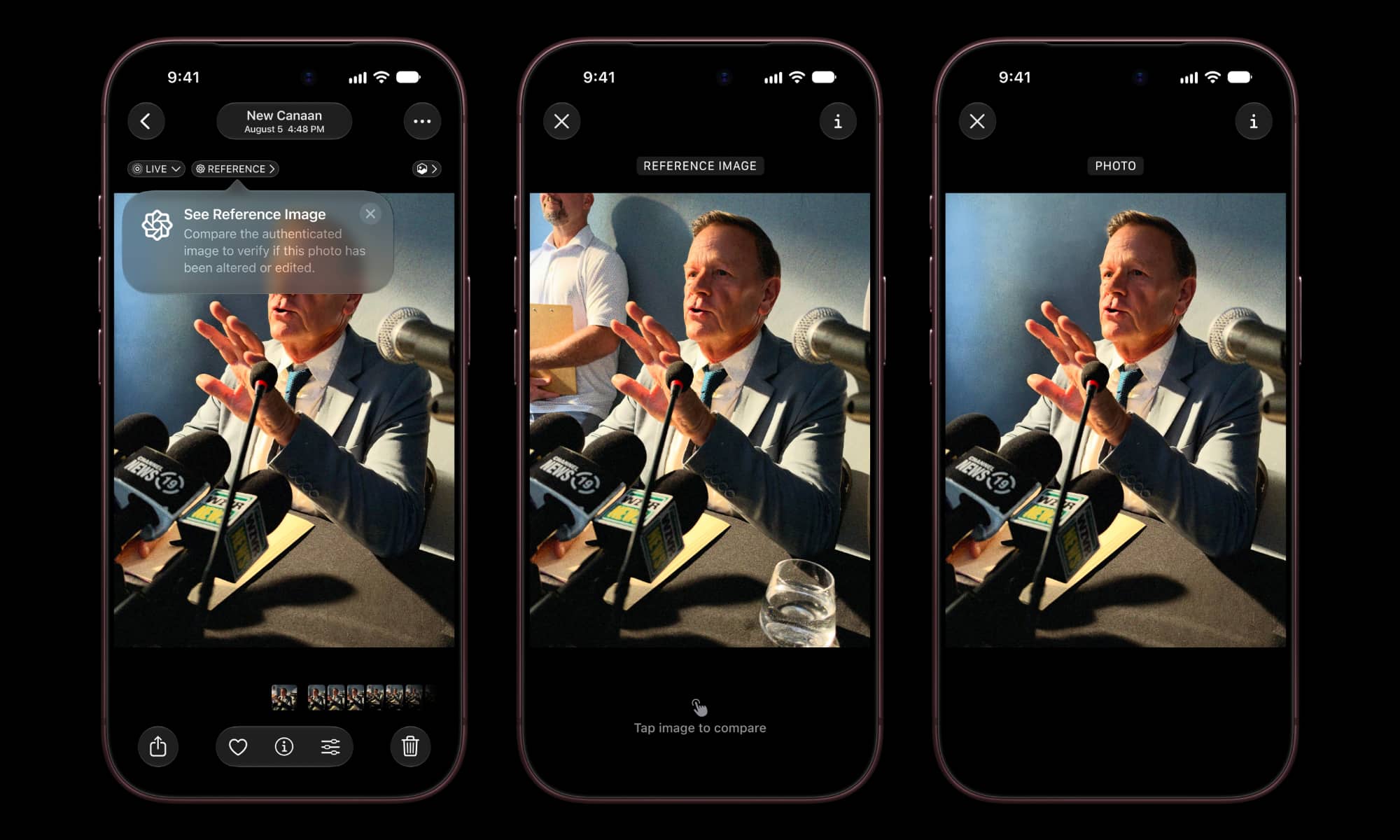
It also appears that Apple Reference Image code found in iOS 27 last month was actually tied to another iPhone 18 Pro-exclusive feature. During today’s event, Apple explained how the iPhone 18 Pro and iPhone 18 Pro Max will be able to use the new sensor to digitally sign pixels and use Apple’s Private Cloud Compute to create an “unalterable reference image” that will prove that it was not only authentically captured with the iPhone camera, but that it hasn’t been modified with AI tools. Reference Images can only be captured with the main camera sensor on the iPhone 18 Pro and iPhone 18 Pro Max, although any device running iOS 27, iPadOS 27, or macOS 27 Golden Gate will be able to validate them.
Dynamic Island
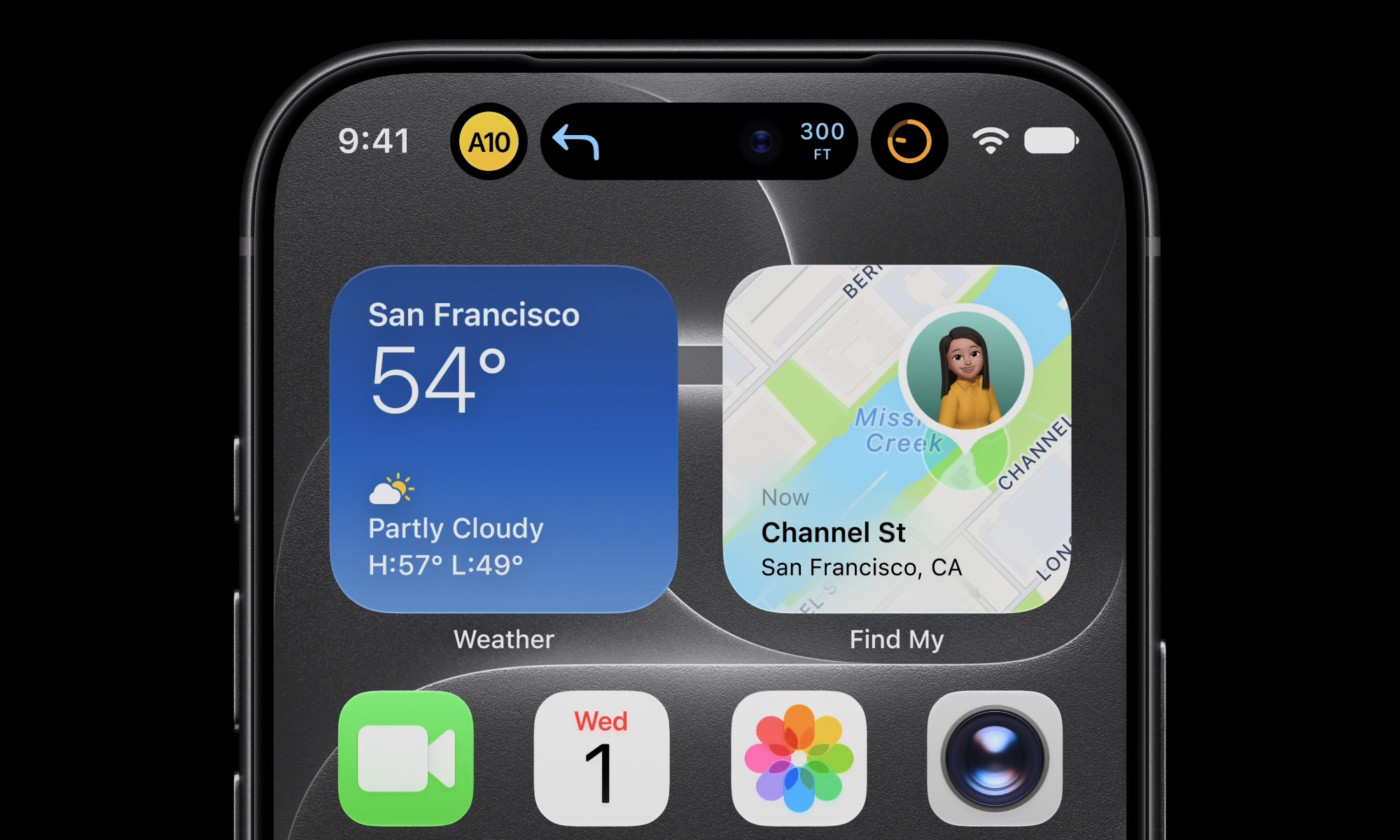
While we haven’t yet reached the point where Apple is ready to put the whole camera array under glass, it has managed to rework the Dynamic Island in this year’s iPhone models.
The new Dynamic Island, which is technically smaller in terms of the actual cutout, will now show three Live Activities at once, each in their own sections, so you can keep track of multiple things at once.
The Chips: A20 Pro and C2
As expected, the iPhone 18 Pro models pack in Apple’s latest A20 Pro silicon, but this year’s new chip is a more significant upgrade than usual. It’s the first 2-nanometer iPhone chip, providing 50 percent more memory bandwidth than the A19 Pro, plus a new 6-core CPU with integrated Neural Accelerators and a 7-core GPU that runs up to 40 percent faster.
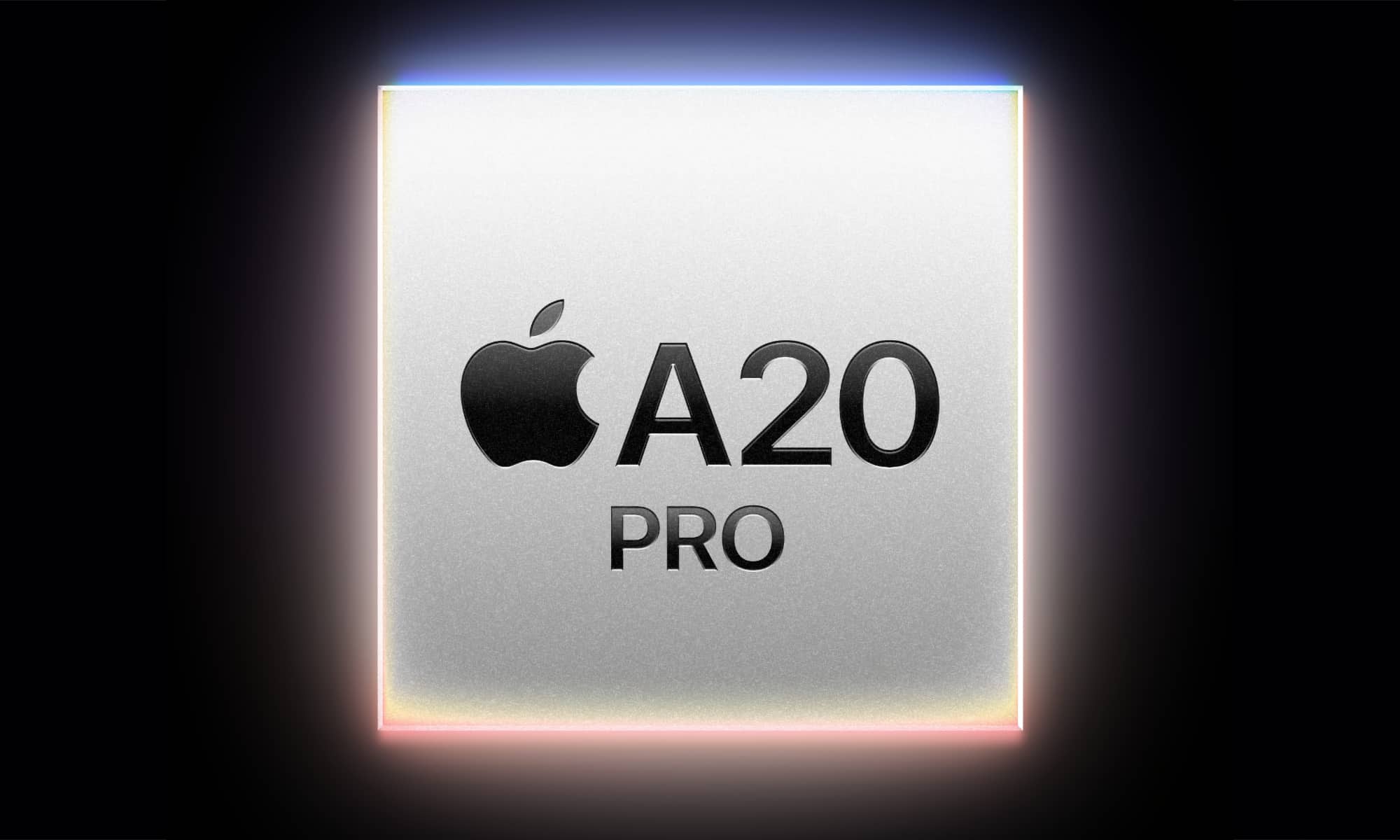
Even more significantly, the A20 Pro now has a Dual 16-core Neural Engine — so, 32 cores in total, doubling the processing power. That’s effectively the same Neural Engine upgrade that came to the M6 chip last month, which was also fabricated using the new 2 nm process.
Apple is also levelling up the vapor chamber cooling in this year’s models, integrating the memory into the package in such a way that it allows the A20 Pro to attach directly to a newer vapor chamber design. The result is a 40 percent gain in sustained performance, since the A20 Pro can run cooler for longer before it needs to start throttling due to heat.
As expected, the iPhone 18 Pro also gains Apple’s new C2 modem chip, bringing 5G mmWave support for US models, delivering faster uploads, and improving cellular quality and reliability while reducing power consumption by around 15 percent compared to the C1X used in the iPhone Air and iPhone 17e.
Staggering Battery Life
The increased efficiency of these chips along with larger batteries is resulting in a massive improvement in battery life for both models. Apple claims the iPhone 18 Pro will deliver the same battery life as the iPhone 17 Pro Max — up to 36 hours of video playback and an average of 24 hours of typical usage on a single charge.
Meanwhile, the iPhone 18 Pro Max levels that up to 45 hours of video playback, or 30 hours of typical usage per charge.
Apple has also added even faster charging, with both models capable of reaching a 50% charge from dead in only 15 minutes — half the time it took prior models — while a five-minute charge will deliver six hours of video playback on the iPhone 18 Pro, or seven hours on the iPhone 18 Pro Max.
You’ll need to use a 60-watt adapter to get those faster charging times, which isn’t at all surprising. But it’s a significant boost after years of waiting for Apple to up its charging speeds.
Price and Availability
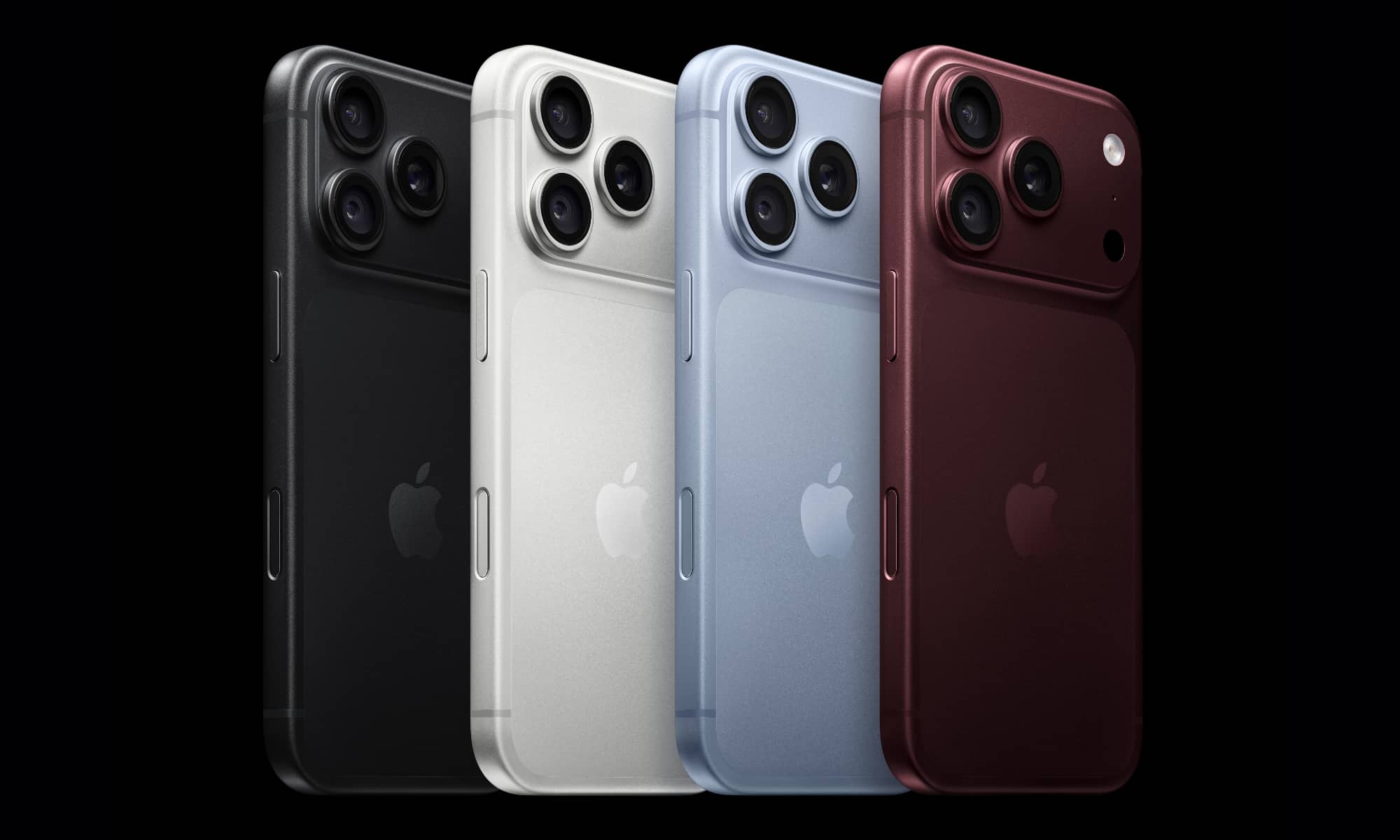
The iPhone 18 Pro and iPhone 18 Pro Max will be available for pre-order this Saturday, September 12. In a pleasant surprise twist, the black option has returned after being absent from last year’s iPhone 17 Pro lineup. This means we’re up to four shades: black and silver as the usual neutrals, plus new glacier and burgundy options.
The iPhone 18 Pro starts at $1,199 for a 256 GB model, and now goes up to 2 TB for the first time, with that top-end configuration selling for $2,399. The iPhone 18 Pro Max adds another $100 to each of those prices, starting at $1,299 for 256 GB and topping out at $2,499 for 2 TB.