The MacBook Neo Leads Apple’s Greenest Year Ever
Toggle Dark Mode
Apple today announced that it’s hit an all-time record, with 30% of the material used across its product line during 2025 coming from recycled content. The company shared that and numerous other environmental milestones in its annual Environmental Progress Report.
The recycled materials are used for several specific components in Apple’s devices. For example, all batteries designed by Apple are made up of 100% recycled cobalt, all Apple-designed circuit boards make use of 100% recycled gold plating and tin soldering, and all magnets use 100% recycled rare earth elements.

Last but certainly not least, Apple has fully transitioned to all fiber-based packaging, which means the company has fulfilled a previous pledge to remove all plastic from its packaging by 2025.
Apple has also innovated to make its packaging more recyclable. The company’s largest boxes, like those used for the new Studio Display XDR, collapse into smaller pieces that fit more easily into a home recycling bin. Apple avoided the use of more than 15,000 metric tons of plastic in the past five years alone. That’s the equivalent of approximately 500 million plastic water bottles.
Apple’s total greenhouse emissions during 2025 remained 60% below 2015 levels. The level stayed pat when compared to the 2024 levels, despite Apple’s significant growth around the globe.
The company continues to work toward its goal of carbon neutrality across its entire footprint by the year 2030.
“At Apple, we believe deeply in leaving the world better than we found it, and that commitment runs across everything we do,” said Tim Cook, in a statement. “These milestones in our work to protect the planet show that ambitious goals can also be powerful engines of innovation. And as always, we’ll keep pushing to build on this progress even more.”
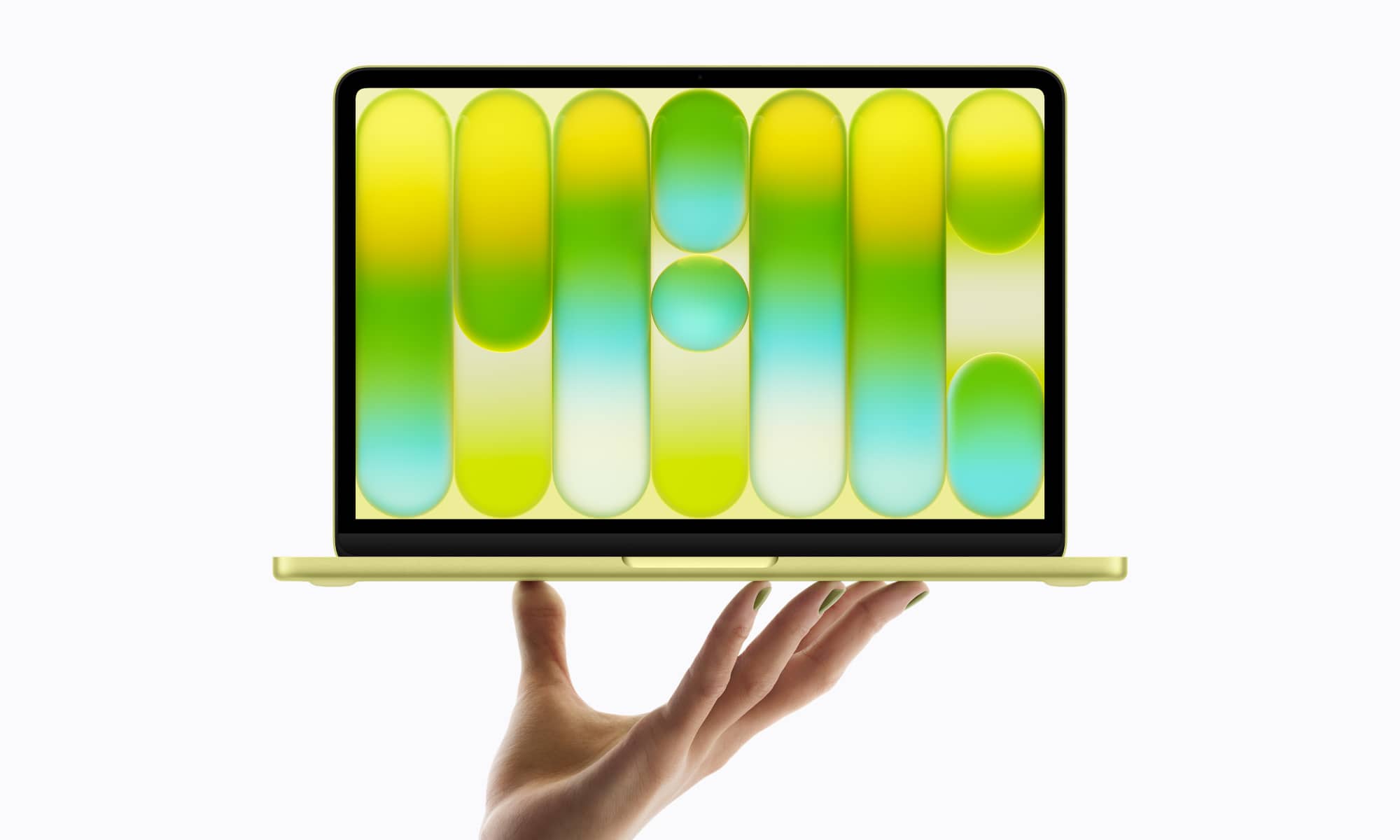
One new Apple product is particularly impressive when it comes to the use of recycled materials. The Cupertino company’s recently released MacBook Neo contains 60% recycled content overall — the most of any product to date. The new budget laptop makes use of a new aluminum forming process, cutting in half the amount of raw material used compared to traditional machining methods.
Speaking of recycling, Apple also launched Cora, its new electronics-recycling line at its Advanced Recovery Center in California. The new line is designed to achieve material recovery rates significantly larger than industry baselines, thanks to its use of precision shredding and advanced sensor technology. The company’s A.R.I.S. machine-learning-powered detection system aids partner recyclers in classifying and sorting electronic scrap. The system runs on a Mac mini.
Apple also joined with suppliers in developing an anodization process that achieves a 70% water-reuse rate. Apple plans to expand the use of this process to other production lines in the coming years.
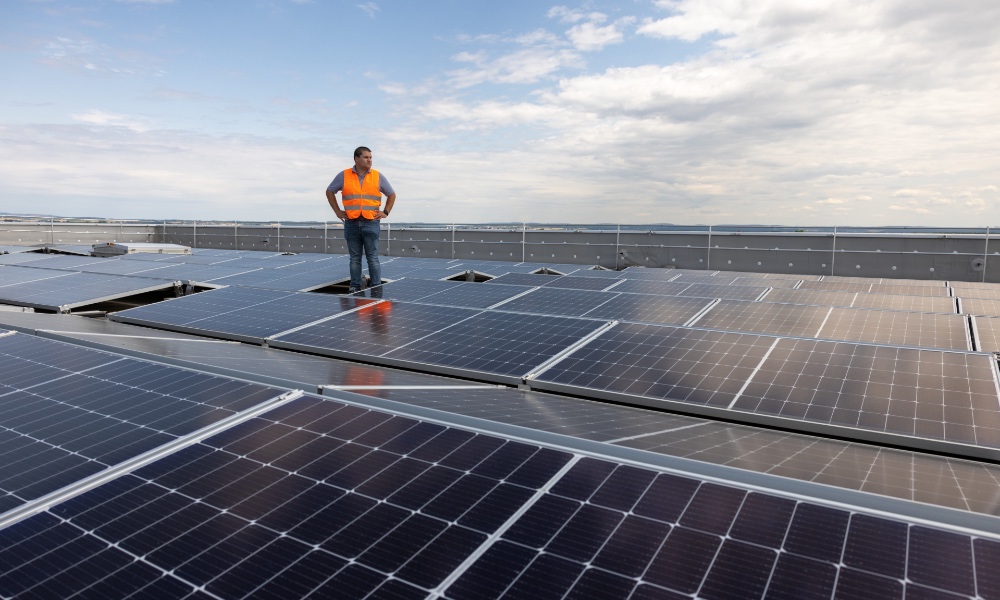
More than 20 gigawatts of renewable energy was used by Apple’s direct suppliers during 2025 through the Supplier Clean Energy Program, generating more than 38 million megawatt-hours of electricity, enough to power more than 3.4 million US households for a year. An additional 1.8 gigawatts of renewable electricity was used by Apple to power its data centers, offices, and retail stores.
Apple replenished more than half of the water it used in its global facilities, and all eight Apple data centers have been certified to the Alliance for Water Stewardship standard. Apple and its suppliers saved 17 billion gallons of fresh water in 2025.
Check out the full 2026 Apple Environmental Progress Report for more information.