The Vision Pro Isn’t Dying — It’s Just Getting Out of the Way
Toggle Dark Mode
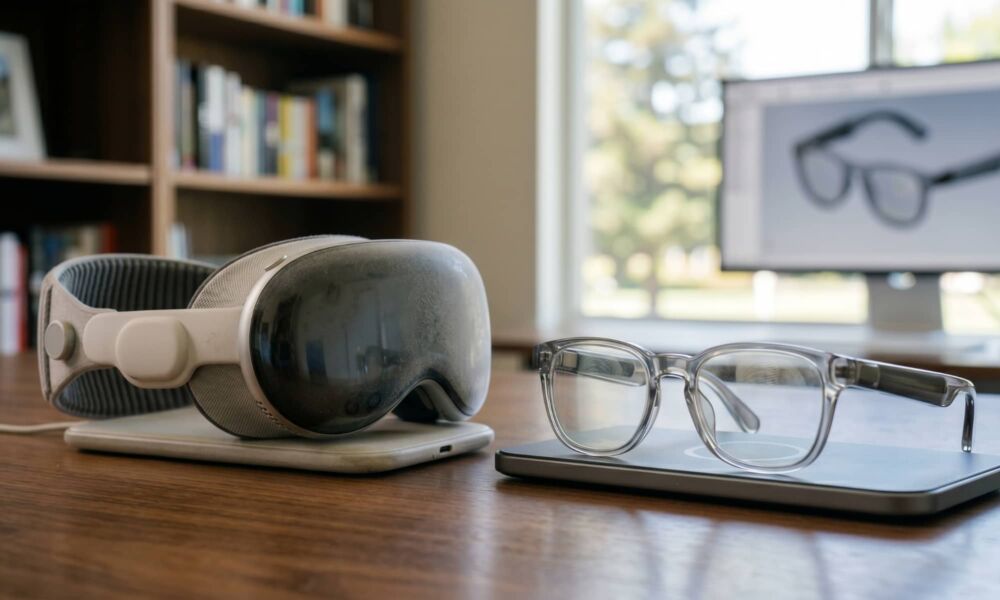
While this may not feel like a huge surprise considering its lackluster sales performance over the past two years, a new report suggests that Apple has “all but given up” on the Vision Pro, suggesting that the M5 model released last year may be the last we’ll ever see — at least as the heavy, “ski-goggle” wearable we’ve come to know.
Insiders speaking with MacRumors suggest it’s about far more than poor sales, but also a lack of consumer satisfaction implied by “an unusually high percentage of returns.”
In other words, even though Apple has reportedly sold 600,000 units of the spatial computing headset, those numbers may not accurately represent how many are still out there. Many analysts believe that the sales figures, despite being incredibly low by Apple’s standards, also didn’t fall significantly short of the company’s expectations.
As an expensive entry into a new product category, the consensus was that Apple never expected the first Vision Pro to be much more than a proof of concept — something for early adopters to glom onto while also showing off what it could accomplish. However, Apple also likely expected that those half a million or so headsets it expected to sell would stay sold.
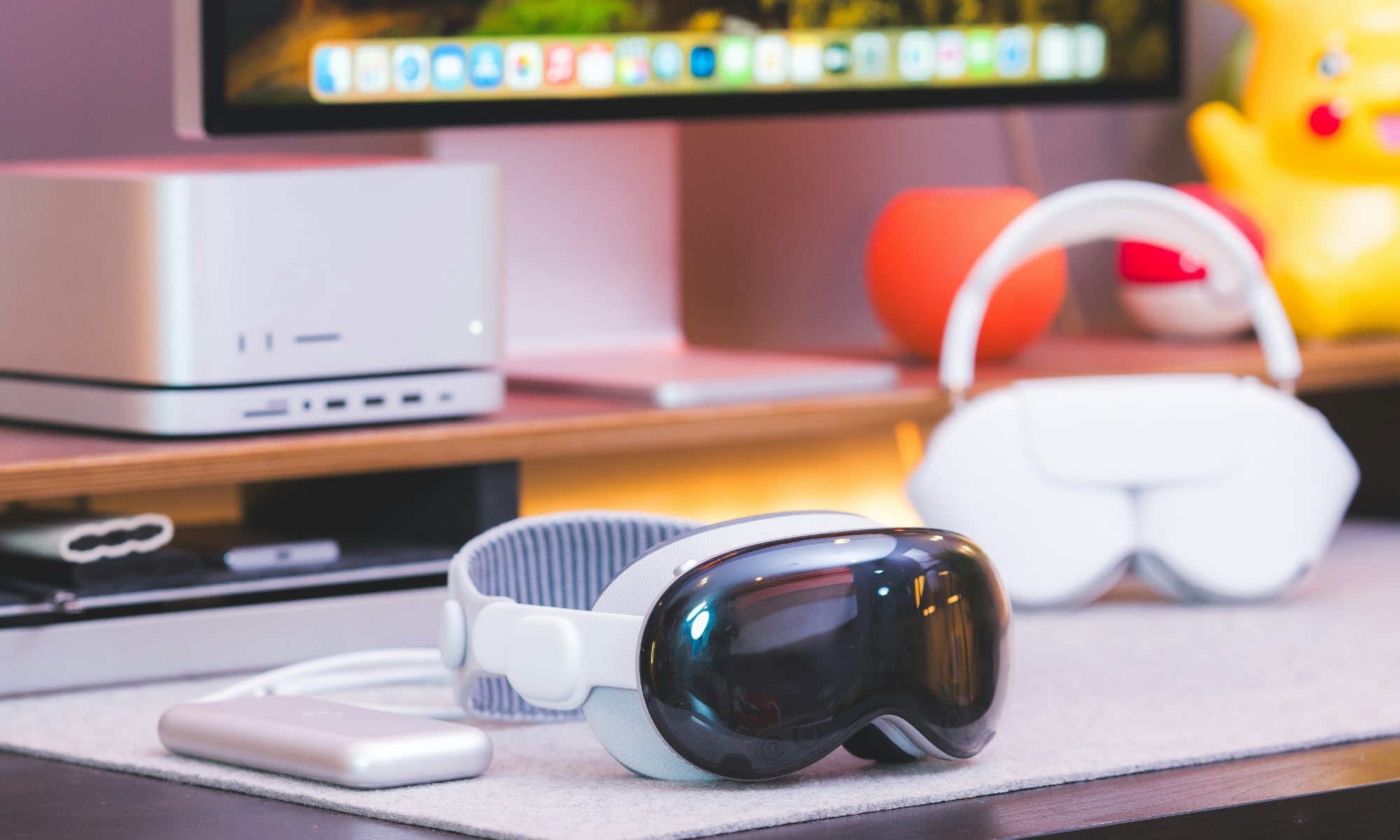
There’s no specific number in the report on how many Vision Pro headsets were returned beyond saying it’s more than any other Apple product. That’s also not surprising, considering reports of users bringing back their headsets began making the rounds only two weeks after it went on sale, thanks to Apple’s 14-day return policy.
Most of the reasons given at the time would also still apply to today’s M5 model: customers described it as heavy, uncomfortable, cumbersome, and “headache-inducing,” and many failed to find a realistic use-case to justify keeping the $3,500 device, especially since it lacked a decent catalog of apps and video content.
While the app catalog has expanded over the past two years, it hasn’t exactly been growing in leaps and bounds. Meanwhile, the other criticisms about weight and usability are still present in today’s M5 Vision Pro, which has an identical design, with the only change being a new headband that potentially makes it more comfortable to wear by distributing the weight more evenly.
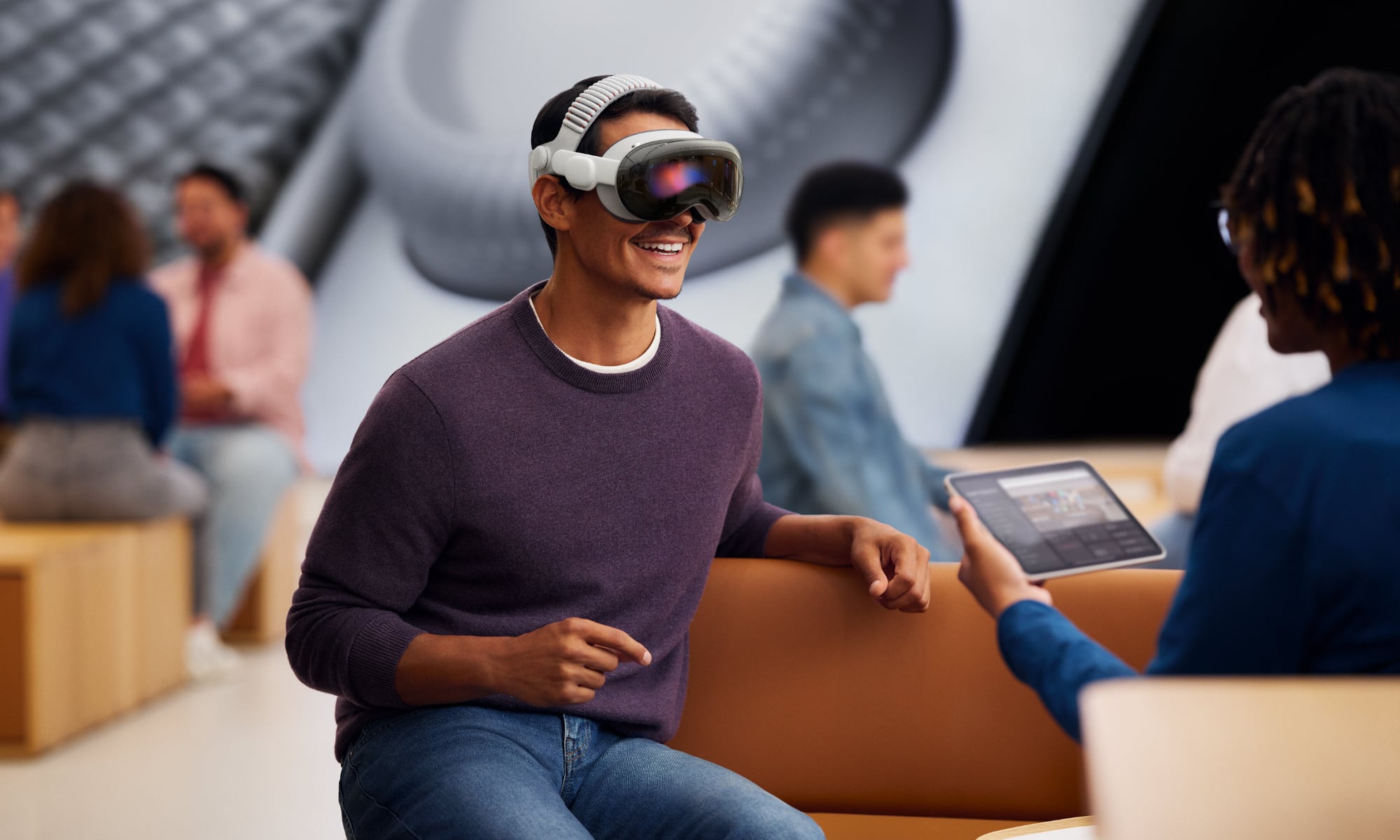
There’s also another unspoken behavior that might be driving more returns than usual. The Vision Pro is undoubtedly a cool device, and it’s tempting for anyone with room on their credit card to buy one just to try it out for a couple of weeks — or even a month or two during the holiday season — with no intention of actually keeping it. Almost nobody is going to admit to this as a return reason, so it’s hard to sift those out from the broader complaints, including legitimate buyers who simply changed their mind after the credit card bill came in.
How little the M5 Vision Pro moved the needle is also telling. While some of Apple’s most popular products had similar weak starts, from the 2007 iPhone to the 2015 Apple Watch, those were quickly followed by much more capable second-generation models and software improvements. Apple has advanced the Vision Pro’s state of the art with some excellent visionOS updates, but the M5 Vision Pro was the very definition of a “spec bump” upgrade.

What Happens Now?
According to MacRumors, Apple has already disbanded the Vision Pro team, with no sign that it plans to get the band back together.
We saw some hints of this last year when Mike Rockwell, who led the Vision Pro from inception to launch, was reassigned to right the Siri ship alongside several of his chief lieutenants. There was no word on who had taken the helm of the Vision Pro team, and many suspected it was put into a sort of “autopilot” holding pattern simply because getting “Siri 2.0” ready was significantly more important.
This was followed by an October report that said a lighter “Vision Air” had been shelved, although again this was positioned as a matter of priorities: Apple was shifting the focus to smart glasses to gain a foothold in a market being dominated by Meta’s Ray-Bans. However, in retrospect this may have simply been more writing on the wall for the Vision Pro.
With this latest report, it looks like Rockwell won’t be going back. While the heaviest hitters from the Vision Pro are now on the Siri team, others have been “redistributed” within Apple. That’s a common move when the company winds down a project, as it did with the ill-fated Apple Car.
Is the Vision Pro Dead or Just Evolving?
Still, it’s hard to imagine that Apple has given up on its spatial computing ambitions. Today’s Vision Pro may not become a blockbuster product, but we’re not sure Apple ever intended it to. It’s found a home in niche industries, and will undoubtedly continue to do so, and that’s enough reason for Apple to keep selling it, and even consider developing future versions.
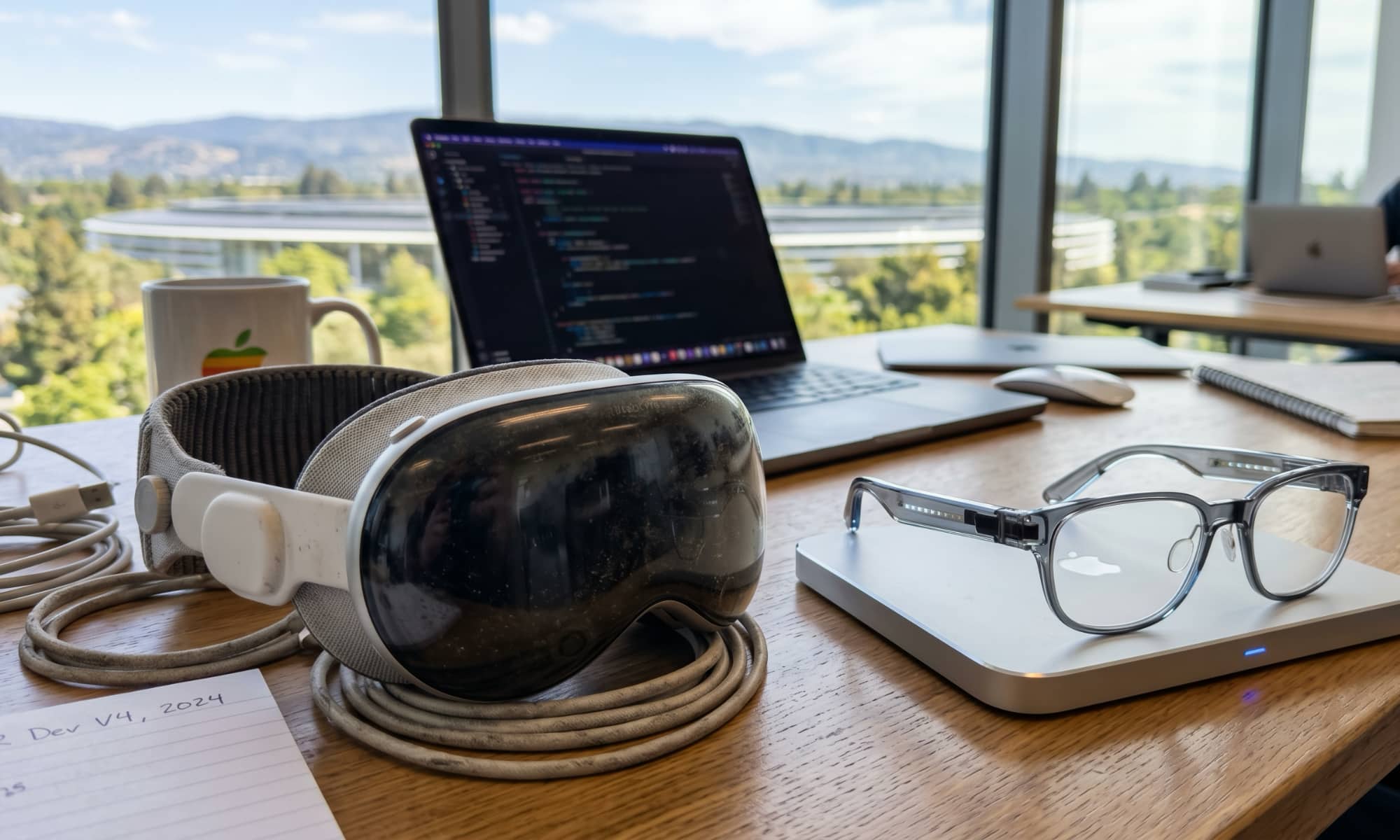
However, it’s also obvious to anyone paying attention to the market that bulky mixed-reality headsets aren’t where the money is right now — even if they are trying to define a new era of “spatial computing.” Apple has used the Vision Pro to prove what it can do, and it will undoubtedly continue to refine that technology until it’s ready to turn it into something smaller and lighter. The most likely interpretation of today’s report is simply that it hasn’t figured out how to do that yet.
After all, multiple sources say that Apple hasn’t given up on its mythic Apple Glass; it’s merely put it on the shelf. Contrary to some pretty crazy rumors, the project was always a moonshot for Apple with today’s technology, but Apple CEO Tim Cook remains ‘hell-bent’ on creating them eventually, and while he’s leaving the CEO’s office in a few months, he’s moving up, not out — and he’ll be succeeded by John Ternus, a dyed-in-the-wool hardware guy with a mechanical engineering degree who took over the role of senior VP when his former boss, Dan Riccio, was reassigned to bring the Vision Pro to completion.
Meanwhile, Apple has more important fish to fry, not only in getting Siri ready, but in producing a more affordable and consumer-focused set of smart glasses that can provide its usual Apple-esque approach to AI and privacy — a refreshing oasis from the privacy nightmare of Meta’s Ray-Bans. These are almost certainly what’s on deck next; spatial computing can wait for a future that’s more capable of handling it — and prepared to embrace it.
[The information provided in this article has NOT been confirmed by Apple and may be speculation. Provided details may not be factual. Take all rumors, tech or otherwise, with a grain of salt.]