
Apple 3.0: Is John Ternus the ‘Product CEO’ We’ve Been Waiting For?
Toggle Dark Mode
This week marked the biggest shake-up in Apple’s executive ranks since the untimely passing of the company’s legendary co-founder in 2011. However, it also comes with one significant difference: the transition to a new CEO is arriving with an entirely different tone.
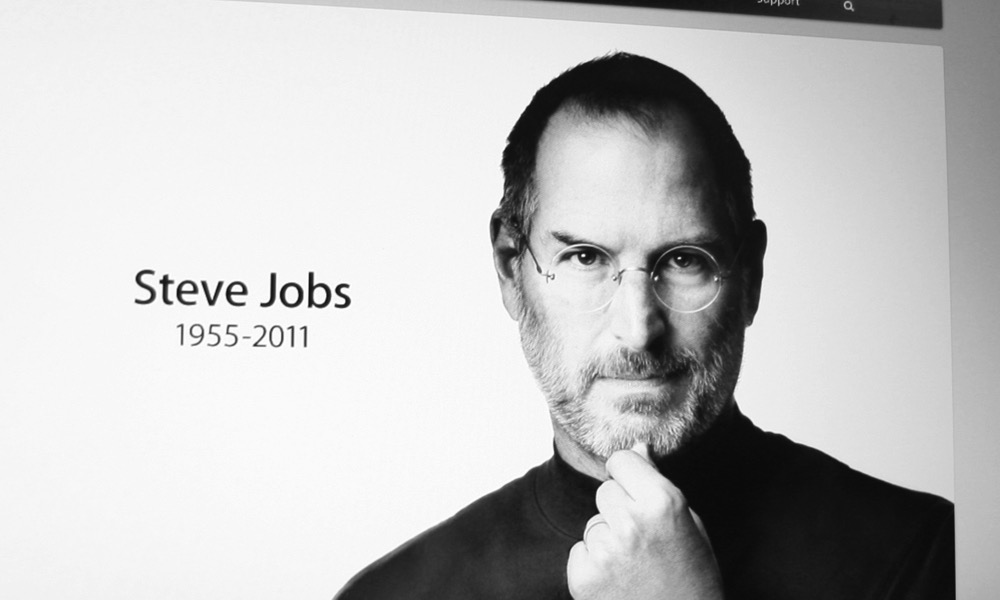
When Steve Jobs left the executive office 15 years ago, it was with a heavy heart and a ticking clock. The man who had founded Apple in his garage 35 years earlier had also been fighting pancreatic cancer for the better part of a decade. Although few people knew of this until the final year, Jobs eventually had to admit that he was no longer able to carry on his duties as CEO and pass the torch to his right-hand man, former COO Tim Cook.
Jobs moved on to become the chairman of Apple’s board, and while we all hoped that he’d remain in that seat for a few more years to come, his second tenure as chair turned out to be tragically short after he lost his battle with cancer only six weeks later — perhaps ironically the day after Apple announced the iPhone 4S, which also heralded the debut of Siri — effectively turning that year’s iPhone launch day into a tribute to Steve Jobs.
While Tim Cook will almost certainly be missed — as someone who has covered Apple for over 20 years, I’m feeling a bit melancholy myself over the news — the 28-year Apple veteran is going out on a high note, and doing so on his own terms. Like his iconic predecessor, Cook is also moving to the head of the boardroom table, but it’s a much safer bet that he’ll be sitting there for at least the next decade.
Rumors of Cook’s departure as CEO have been swirling since at least 2021, and ironically there were even some obscure corners of the rumor mill that predicted 2026 as the year it would happen. While they obviously nailed that one, the rationale was highly speculative, based on the dubious notion that Cook might actually make a bid to run for President of the United States. To be fair, there was a germ of truth here insofar as a 2026 leak said he’d been considered as a potential vice-presidential running mate for Hillary Clinton, but there’s no indication this went beyond the stage of political spitballing.
Of course, it didn’t take a crystal ball to come up with other reasons why 2026 was the most likely year. Firstly, Tim Cook turned 65 on November 1, 2025, and while there’s no compulsory retirement age for Apple’s CEO, it seemed it could be a watershed moment, especially when combined with the fact that Apple would be celebrating its 50th anniversary on April 1, 2026. If there were ever a time for Tim Cook to vacate the CEO’s office and hand the reins over to a successor, this would be it.
The Shifting Sands of Apple
This CEO transition is likely to make a very big mark on Apple, as it really is the start of a new dynasty. Unlike most CEOs, who tend to be more about maintaining the status quo, the person who sits at the helm of Apple is more of a force of nature that drives the company’s direction.
That tone was clearly set by Steve Jobs when he returned in 1997 to ultimately take over as CEO. There’s no arguing that Jobs was a passionate and driven individual who restored Apple to glory. Under his aegis, we saw the iMac, iPod, iPhone, and iPad all come to fruition, and he undoubtedly laid the foundation for the Apple Watch. He also oversaw Apple’s transition from PowerPC to Intel chips, built Apple’s digital and physical storefronts from nothing, changing the face of both retail technology sales and online music.
While Apple existed as a company long before that, Jobs’ tenure as CEO — a role he’d never held in his co-founder days — was the birth of the Apple we know today. I call that “Apple 1.0” as the version of the company before that felt like “pre-release” versions by comparison.
Under Tim Cook’s tenure, we got “Apple 2.0” — a fundamentally different but still great company. Jobs built incredible potential energy into the Apple ecosphere, and Cook took that and ran with it, driving the company to its multi-trillion-dollar heights.
Cook was an operations guy, through and through. He came to Apple from Compaq in 1998 to become the senior vice president for worldwide operations before being formally promoted to chief operating officer on October 14, 2005. Tim Cook was the man who built Apple’s unmatched logistical supply chain, and he brought those skills into the CEO’s office.
While Cook’s era saw its share of new products — most notably the Apple Watch — the past decade has been more about staying the course as the smartphone market has gradually become commoditized. While many in the tech bubble complain about a lack of “innovation” on Apple’s part, the reality is that the era of smartphone innovation ended years ago, in much the same way it did years earlier for cars and home appliances.
Like nearly everything in life, from civilizations to crops, things operate in cycles of rapid upheaval and steady growth. Cook has proven to be the ideal caretaker for the growth era, but now it’s arguably time for Apple to ramp back up into a Jobsian “product era,” and it seems that Apple has picked the right guy for this next big chapter.
‘Apple 3.0’
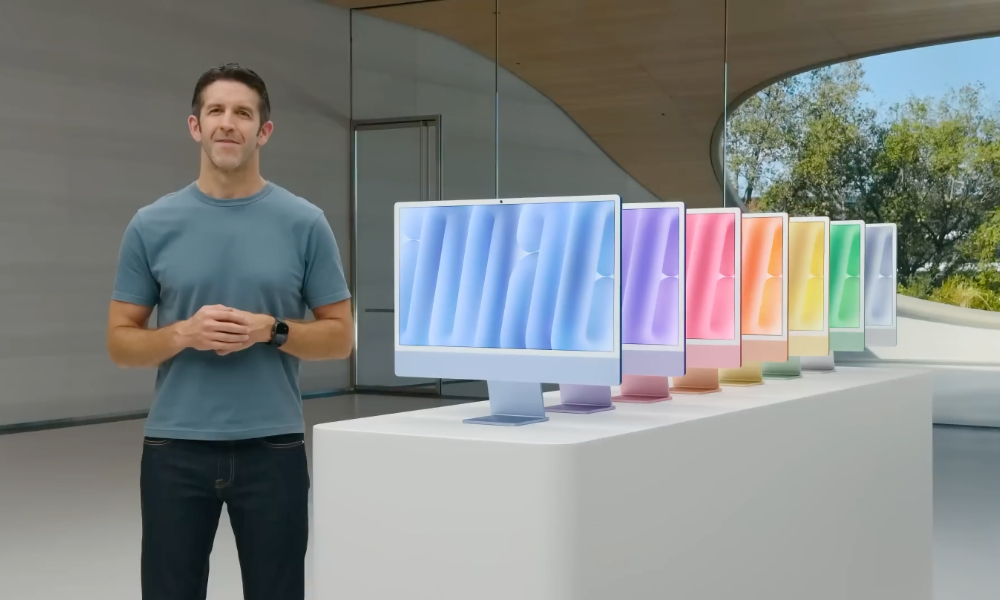
John Ternus is a “product” guy through and through. He’s a mechanical engineer who joined Apple in 2001 as a member of the design team, and was promoted to vice president of hardware engineering in 2013, serving under Dan Riccio. When Riccio was reassigned to a special project in early 2021 (which turned out to be the Vision Pro), Ternus was promoted into his shoes, becoming one of the youngest senior vice presidents in the company’s history.
Since then, Ternus has presided over the launch of six iPhones, nearly all of the Mac products of the Apple silicon era, the Vision Pro, and much more. His responsibilities also expanded even further last year as Apple disassembled its machine learning and AI strategy division, moving projects such as robotics to Ternus’ hardware engineering division, while software and services initiatives went to software engineering and services, under Craig Federighi and Eddy Cue, respectively.
It’s also telling that Apple doesn’t plan to directly fill Ternus’ vacant chair. Instead, it’s merging hardware engineering and hardware technologies into one division, placing Johny Srouji in charge of both with a new title of chief hardware officer.
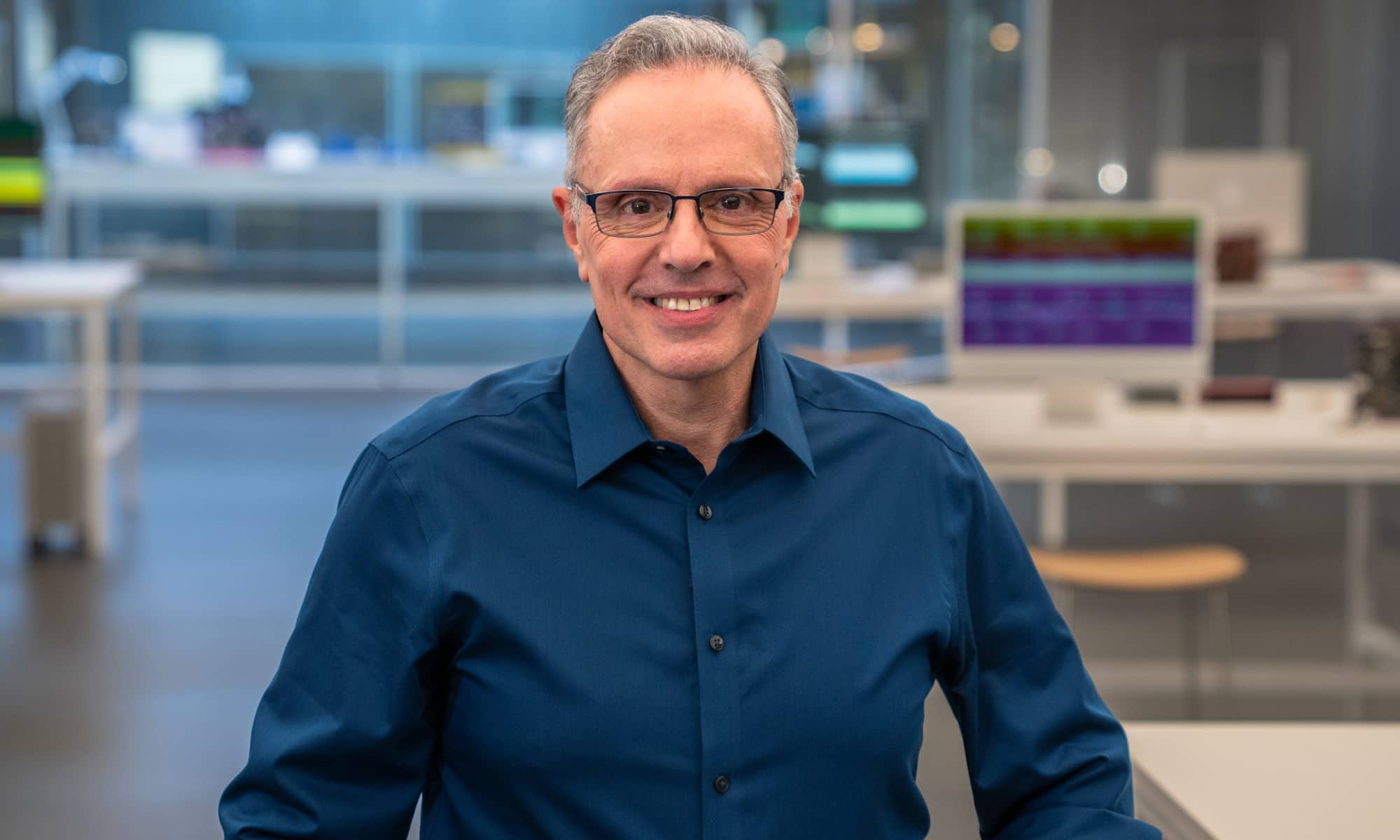
That’s a move that makes total sense with this transition. While Tim Cook often needed to rely on the expertise of executives like Ternus and Federighi, that’s going to be far less of an issue with a product guy at the helm of the company. Ternus knows exactly what’s going on with Apple’s products as he’s been leading their development for over a decade — and he probably already has quite a few ideas for where he wants to take things in the next 15 years.
We’ve already had a taste of this with the MacBook Neo, which sources say was Ternus’ biggest pet project. While that still wouldn’t have happened without Cook’s approval, we also have to assume that both men knew this week’s transition was coming, making the new low-cost MacBook an opportunity for the incoming CEO to flex a new initiative — and it’s notable that Ternus was the face of the MacBook Neo launch, a rare event at which Cook’s presence was conspicuously absent.
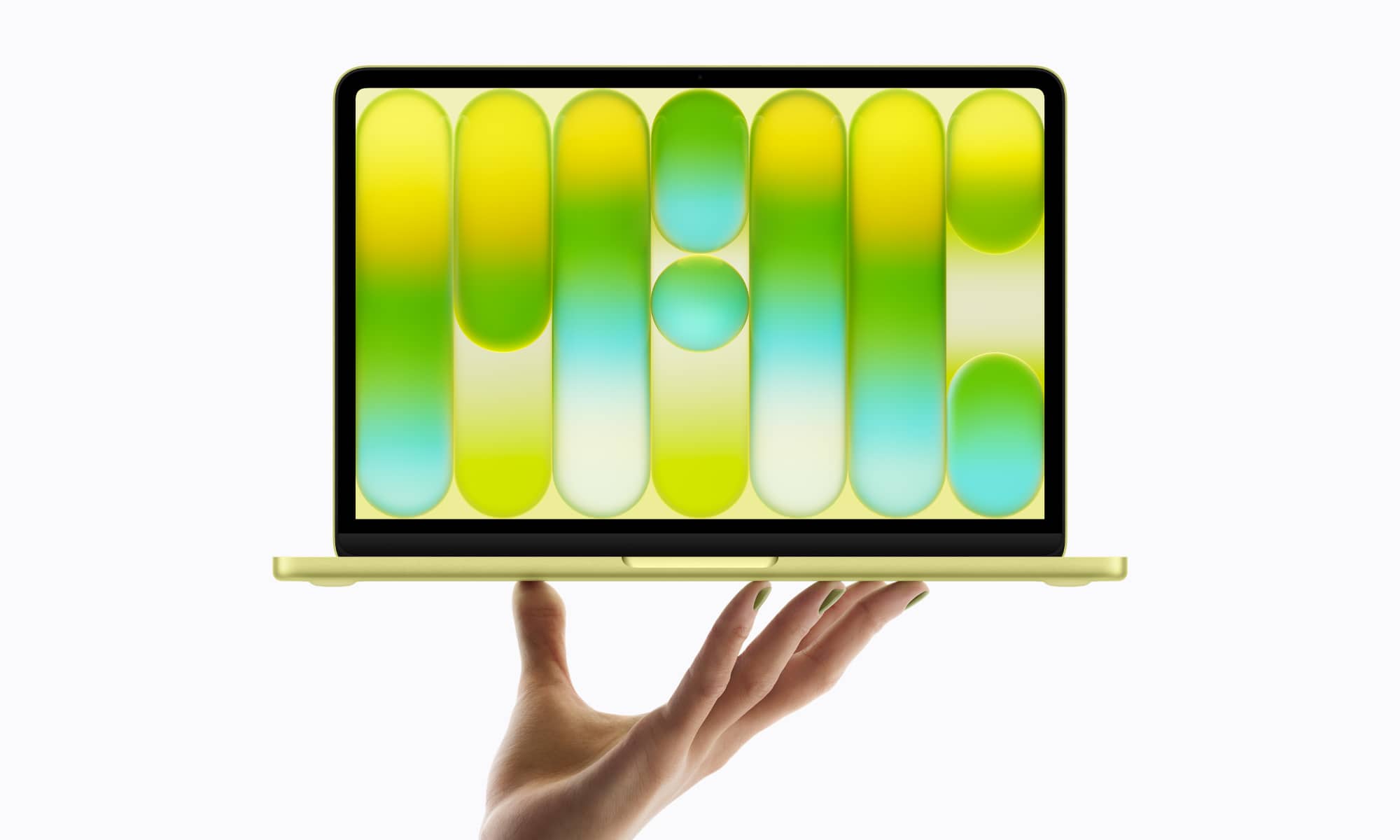
There’s a more significant message here than just looking at a single hit product. The MacBook Neo represents a big departure from Apple’s more premium approach. It’s a product that once would have seemed inconceivable for the company, and it’s probably not going to be the first break with tradition.
If the rumors are accurate, we’re also poised to see another “Apple unicorn” appear in the next year: a touchscreen OLED MacBook that once seemed impossible — and a product that both Tim Cook and Steve Jobs said would never happen. Of course, the world changes, and it’s time for Apple to change with it. Steve Jobs was famous for being dismissive of ideas in one breath, only to turn them into products a year or two later. Cook was less so, leaving little doubt this new MacBook is also Ternus’ baby.
In addition to seemingly having more vision, Ternus also reportedly has a more decisive leadership style. Insiders who spoke with Bloomberg’s Mark Gurman describe Ternus as “someone willing to make clear calls, in contrast to Cook’s more deliberative, consensus-oriented approach.” That approach is also more aligned with Steve Jobs, who was infamously opinionated on products, while still permitting himself to be proven wrong — if his executives could convince him with solid reasoning and evidence.
As Gurman says, Ternus’ leadership style points to a more centralized approach where he will be a singular decision maker like Jobs, rather than Cook, who often deferred to the opinions of his top executives. Either way, it sounds like we’re in for an interesting ride.






