Why Apple Intelligence Might Keep the iPhone Wrapped in Aluminum
 iDrop News / Unsplash+
Toggle Dark Mode
Following a report earlier this month that Apple’s aluminum iPhone 17 Pro design is merely a stop-gap measure, another leaker is weighing in with a dissenting take, noting that aluminum alloys will remain in Apple’s plans for the foreseeable future.
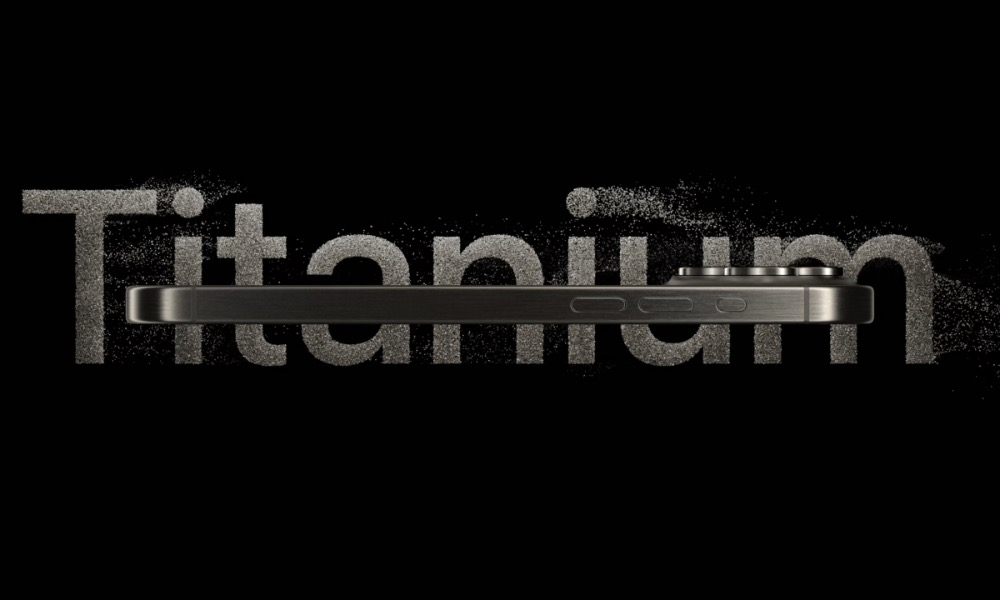
Apple made a high-profile switch to titanium for its flagship iPhone models nearly three years ago with the iPhone 15 Pro, citing its use of a Grade 5 titanium alloy with an “even higher tensile strength than pure titanium” that could deliver even better durability with noticeably lighter weight than the stainless steel materials it had used since the iPhone X.

Unfortunately, one area in which titanium seemingly didn’t excel was in heat dissipation. While it probably didn’t help that early software glitches turned the iPhone 15 Pro into a briquette, the devices still tended to give off far more heat than expected — a problem that continued even into the iPhone 16 Pro lineup.
While Apple never officially commented, last year’s switch to an aluminum unibody design with vapor chamber cooling appeared to many as a way of addressing the heating issues of the prior titanium models.
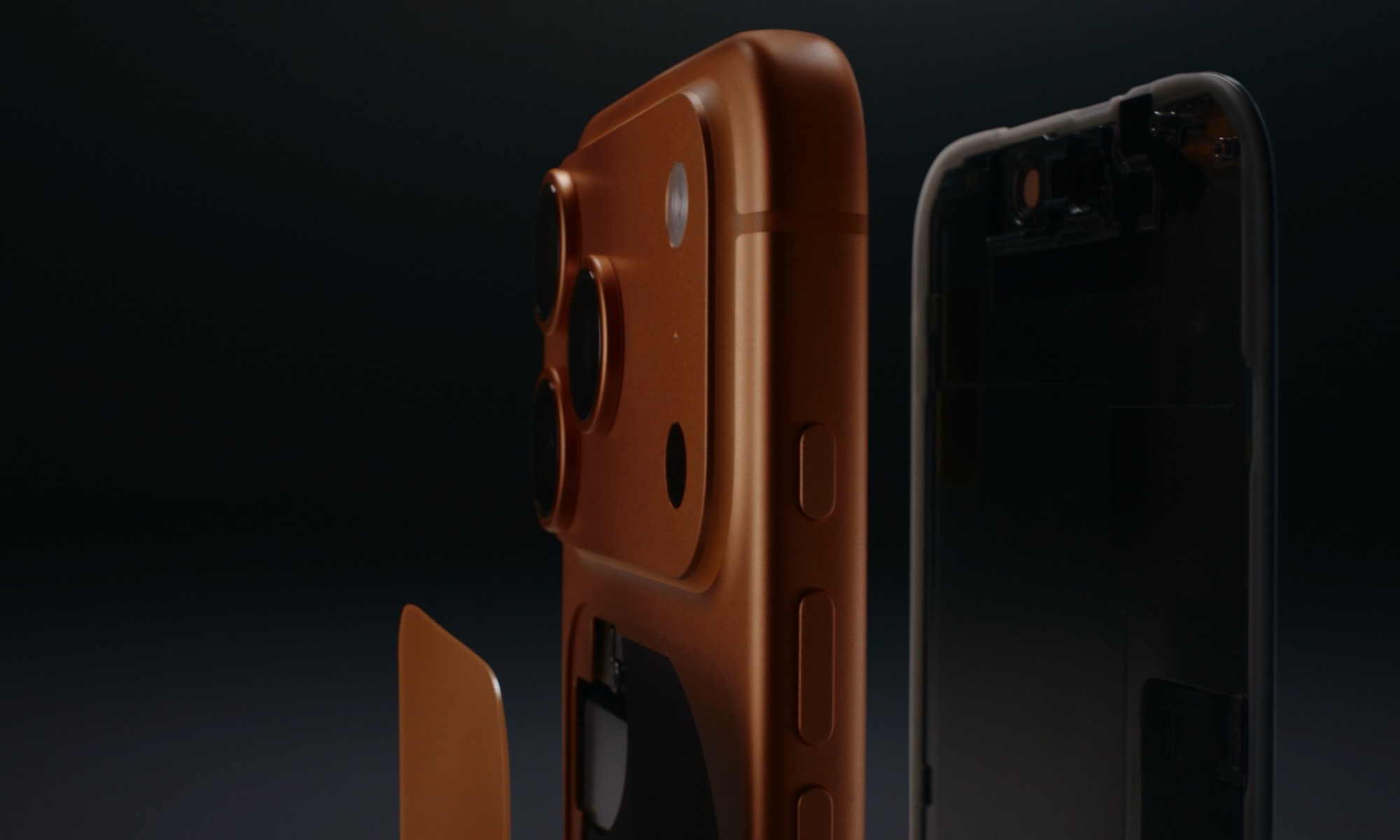
Of course, Apple may have also simply been moving in a new design direction. The iPhone Pro was certainly due for a change after five generations that sported a relatively unchanged form factor. Still, some pundits maintain that the aluminum alloy was a necessity for heat dissipation rather than a mere design luxury — and at least one leaker insists it wasn’t Apple’s ideal choice.
Last week, Weibo-based leaker Instant Digital reported that the aluminum alloy was a “forced compromise” and that the company fully plans to adopt better materials — either titanium or liquid metal — once it figures out a formula that works to strike the right balance between weight and thermal performance.
Those comments made some sense, particularly in light of how big of a deal Apple made about titanium when it debuted on the iPhone 15 Pro, even going so far as to use it in the device’s color names — a move that was also copied by Samsung for its new titanium Galaxy S24 Ultra a few months later.
However, another Weibo-based leaker is casting a bit of doubt on that notion. In a post on the Chinese social media platform yesterday, Fixed Focus Digital claims that it’s very unlikely Apple will return to titanium in the near future.
Whether Apple likes it or not, the aluminum design is ideal for heat dissipation, which the leaker adds is important for AI processing — and is the primary reason why most other manufacturers also prefer to use aluminum alloys.
To be fair, Fixed Focus Digital isn’t contradicting Instant Digital’s claims outright. The issue may simply be more about timing, and the earlier leaks didn’t offer any insights into when Apple might adopt a new material.
In fact, this perfectly illustrates one of the most common weaknesses in rumors that come from Apple’s supply chain partners. Even well-connected analysts like Ming-Chi Kuo are often plugged into what Apple is working on, but have little idea of when it will happen. For example, Kuo once infamously predicted Apple would sell millions of foldable iPhones by the end of 2023.
The challenge faced by these leakers is that Apple explores a lot of different materials and concepts, and often researches and tests them with supply chain partners. Apple was actively testing foldable displays in late 2020, which is what led many leakers to believe the “iPhone Fold” was just around the corner. Along the same lines, the company is almost certainly testing new titanium and liquid metal alloys — undoubtedly in hopes of using them in future products — but it’s impossible for anyone to accurately predict when it will decide they’re ready.
[The information provided in this article has NOT been confirmed by Apple and may be speculation. Provided details may not be factual. Take all rumors, tech or otherwise, with a grain of salt.]