Apple’s Aluminum iPhone Era Might Already Be on the Chopping Block
Toggle Dark Mode
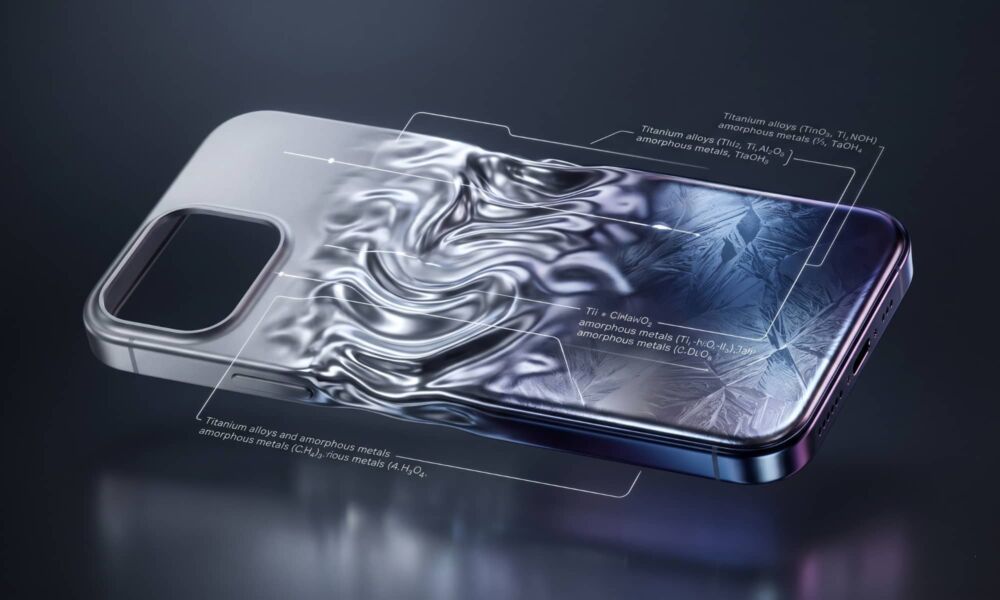
Apple is reportedly already looking to move away from aluminum in future iPhone models in its search for the perfect balance between weight and heat dissipation.
Apple switched to aluminum in last year’s iPhone 17 Pro lineup only two years after adopting titanium for the iPhone 15 Pro — a material that continued with the iPhone 16 Pro and iPhone 16 Pro Max. Titanium was initially adopted for its durability and much lighter weight compared to the stainless steel frames that had been used since the 2017 iPhone X, and Apple highly promoted the move, even going so far as to mention it in the device’s taglines and incorporate it into the color names.

However, while titanium made the devices both lighter and more durable, it also led to complaints of overheating. In an effort to address these issues — and likely to change up the design a bit — Apple switched to an aluminum unibody for the iPhone 17 Pro and iPhone 17 Pro Max while also adding vapor chamber cooling for the first time.
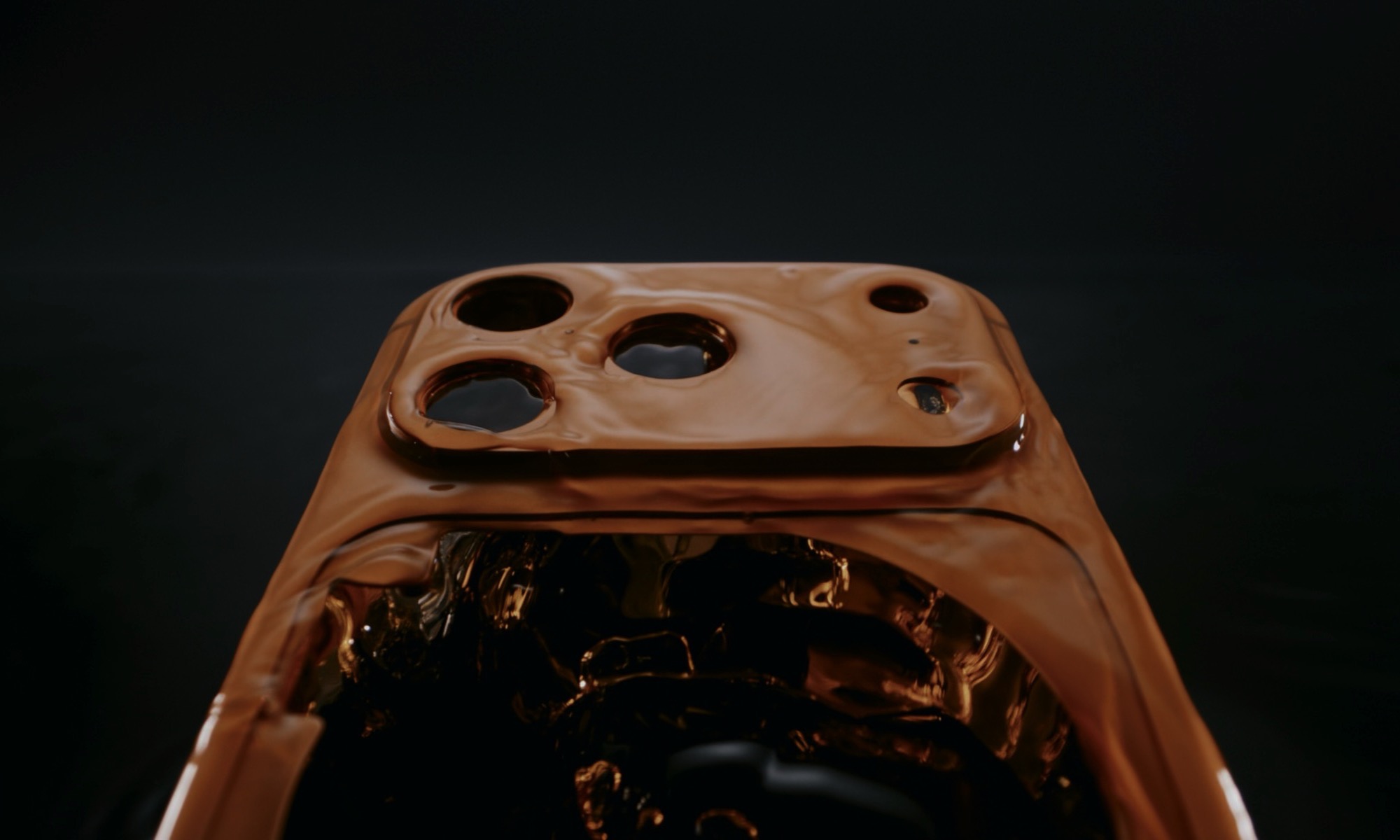
Now, Apple is said to be searching for a new material to replace aluminum for future iPhone models. At least, that’s what supply chain leaker “Instant Digital” is saying in a new Weibo post. The leaker claims Apple’s use of aluminum for the iPhone Pro and Pro Max models is just a stopgap solution until it can develop a method of using either liquid metal or an advanced version of titanium that improves on the material’s poor thermal conductivity.
The Google translation of the leaker’s Weibo post is as follows:
Titanium. I’ve previously mentioned that Apple is proud to use titanium in its phones, and the use of aluminum in the 17 Pro was a forced compromise. This is true, so Apple hasn’t abandoned titanium and seems to be researching an improved version to address the poor thermal conductivity of titanium alloy while reducing weight while maintaining the same volume. I’m not entirely sure about the specifics yet, but I believe Apple will return to titanium once the new formula is mature.
Instant Digital’s claim could prove to be valid, as Apple is reportedly using both titanium and liquid metal alloys in its upcoming foldable iPhone, which is expected to debut later this year. The iPhone maker is said to be using an improved titanium alloy for the foldable, which is said to improve the strength of the device, while also reducing the weight of the foldable.
Apple also uses titanium for the frame of the ultra-slim iPhone Air to deliver on its light weight and strength, which is expected to continue with the “iPhone Air 2.”
As for the use of liquid metal, the leaker says:
Liquid metal. However, achieving large-scale mass production at Apple’s level is very difficult. But once the iPhone foldable screen is used, the process will be considered successful, reducing costs and potentially allowing the Pro series to adopt it.
For those of you new to the iPhone scene, the use of the “amorphous” liquid metal material in Apple devices has been a Holy Grail that Apple designers and engineers have been exploring for more than 15 years.

The material will likely be used for the foldable iPhone’s hinge mechanism, as the hinge is a critical component that directly affects the screen’s motion and the product’s long-term durability. Apple is hoping to set a new benchmark for durability with the foldable handset.
Another reason Apple is said to be looking to liquid metal is that it hopes to enhance screen flatness and minimize the crease marks that typically appear in folding displays after repeated use. The alloy is said to offer malleability, light weight, high strength, and corrosion resistance.
While Instant Digital points out that it will be difficult for Apple to achieve mass production at scale, once that issue is dealt with, costs would be reduced, meaning it could be used in future iPhone models.
All of this is speculation, of course, and the manufacturing materials for the upcoming iPhone 18 Pro and Pro Max models are locked in, so we won’t see if the leaker is correct for at least another year.
[The information provided in this article has NOT been confirmed by Apple and may be speculation. Provided details may not be factual. Take all rumors, tech or otherwise, with a grain of salt.]