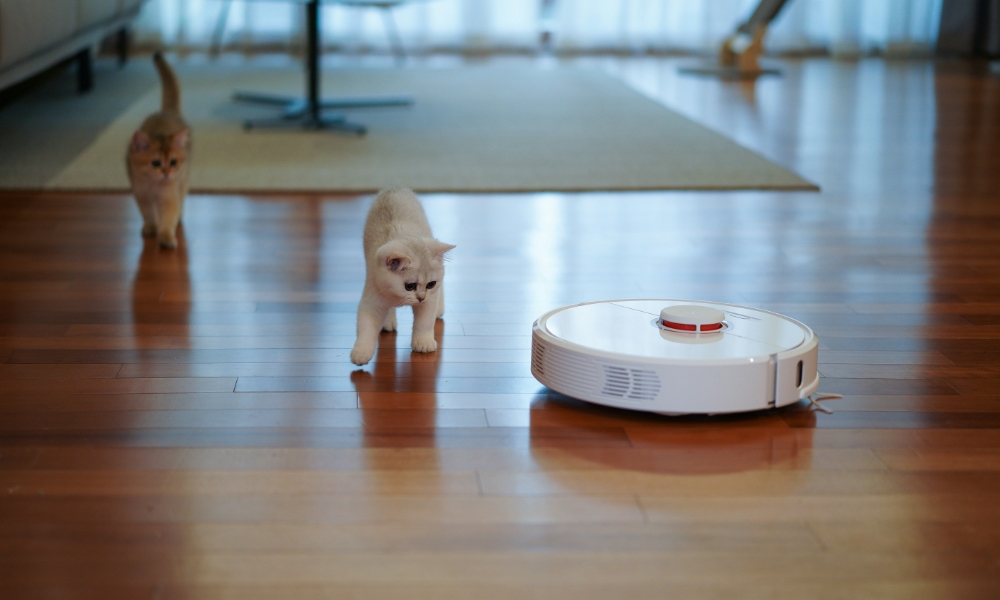
The FCC Just Banned Robot Vacuums: Is Your Roomba Safe?
 YoonJae Baik
Toggle Dark Mode
It’s only been a little over a year after Apple finally added them to world of HomeKit, but if you hadn’t gotten around to picking up a new SwitchBot or Roomba yet, you might want to speed up your plans.
Earlier this year, the US government banned new foreign Wi-Fi hardware, and now it’s coming for robot vacuums. On Tuesday, the Federal Communications Commission (FCC) announced it was adding two new categories of devices to its Covered List: “advanced robotic devices” and connected power inverters produced in foreign countries.
The Covered List is the same place Wi-Fi routers landed in March, and it essentially means that the FCC won’t be issuing the necessary licenses for new devices in these classes to be imported into the United States. However, while the FCC Fact Sheet defines robotic devices as “mobile robots, such as humanoids and quadrupeds,” it’s not just C-3PO that has to worry about getting his green card.
On Wednesday, Sean Hollister of The Verge confirmed that “the robot ban will sweep up robot vacuum cleaners too,” citing a statement FCC media relations director Katie Gorscak.
While the government did include “humanoid robots” and “quadrupeds” among the bots it wants to ban, the ban is far broader than that. It covers almost any new software-controlled robot that travels over the ground, weighs more than 4.4 pounds (including any dock), can perceive its environment, and has wireless connectivity.
Sean Hollister
In fact, the ban goes beyond robot vacuums. By the FCC’s standard, just about any semi-autonomous robotic device will be banned, from lawnmowers and sidewalk delivery bots to those used in Amazon’s warehouses.
As with the router ban, there’s a small silver thread in all this. The FCC Covered List only affects new devices, so you don’t need to worry about someone kicking down your door to seize your Roomba, or even the services going offline. Further, any robovacs that have already been certified for sale in the US can remain on store shelves, and resellers can even continue to import and sell those models.
After all, this isn’t a trade ban. The FCC is only responsible for certifying devices, and while it certainly can revoke existing certifications, it’s not doing so in this particular case.
The US government’s official stance seems to be that the robot revolution is indeed coming, and they can’t trust foreign robots to be on our side. However, US officials are perfectly fine with robots made by foreign companies — as long as they’re made in the US (which makes it seem like someone’s hidden agenda is peeking through here).
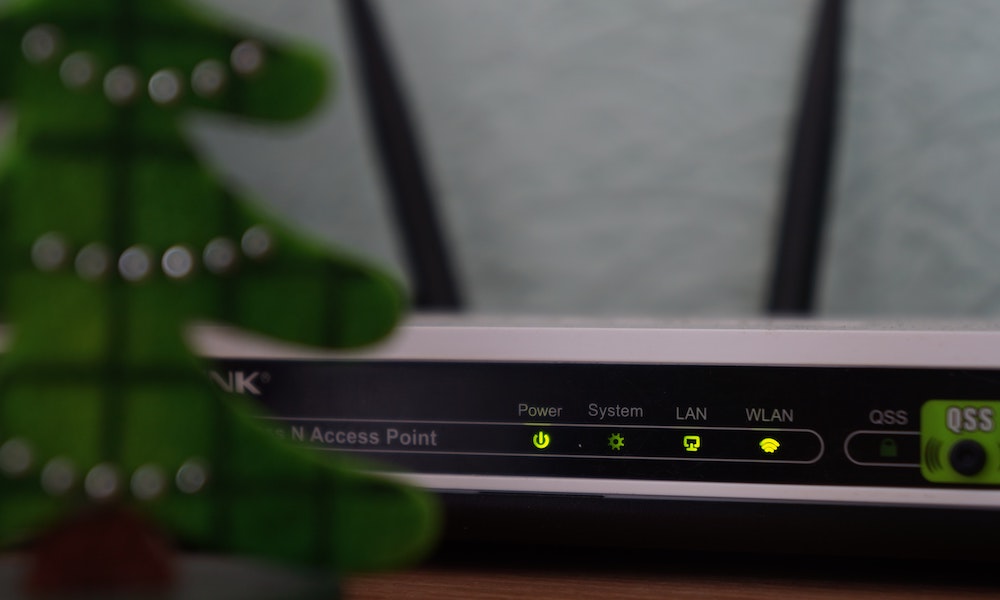
However, as with routers, the reverse is not true. US companies like Amazon, Google, and Netgear were caught in that net, since even though their products are designed in the US, they’re manufactured overseas. It’s not hard to see why this could be seen as a security risk by some, but Netgear also seemed to get a mysterious conditional approval to keep going. Nobody was quite sure why that happened so easily; the official answer was the company applied for approval and got it, but it seemed too fast considering the rules required companies to submit “a detailed, time-bound plan to establish or expand manufacturing in the United States.”
The same policies apply to robot vacuums, so it’s possible some manufacturers may be able to get conditional approval — and sources have told Reuters that “the FCC is expected to exempt many non-Chinese suppliers from the restrictions.”
However, since every robovac is substantially manufactured outside the US — even the former US-based Roomba division used Chinese manufacturing partners — the new ban could otherwise block newer models from coming to US shores. There are a few smaller companies that assemble robovacs in the US, but they’ll still face the ban, since the rules require 65 percent of components to be sourced within the United States.