The Mac mini Has Become the Unlikely King of Frontier AI Labs
 Amanz / Unsplash
Toggle Dark Mode
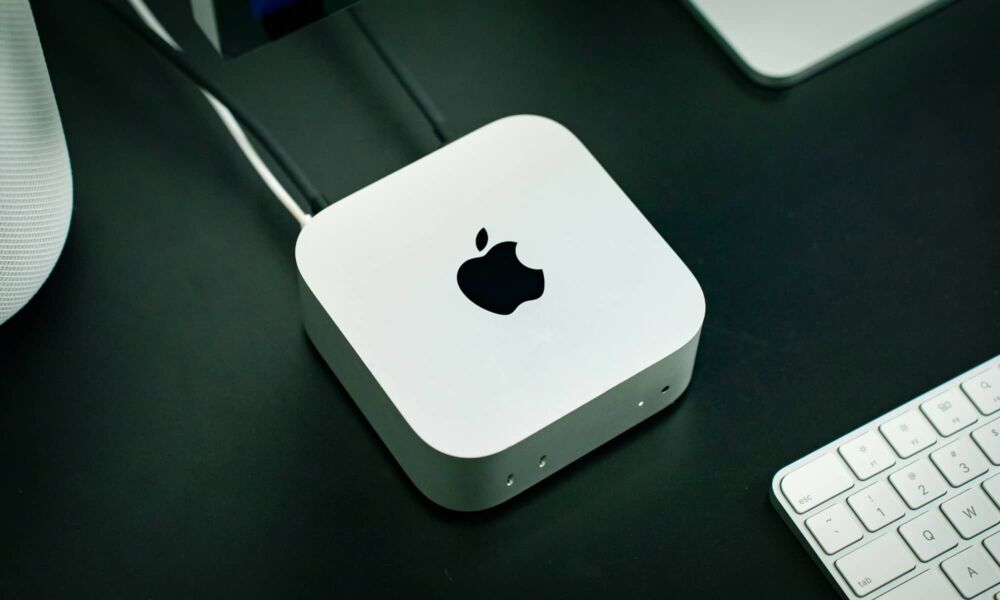
Apple’s Mac mini and Mac Studio lineups have become the most popular choice for running AI agents, says Doug Brooks, Apple’s senior product manager of Apple silicon.
Echoing comments made by Apple CEO Tim Cook during the company’s Q2 earnings call in April, Brooks says Apple has seen “incredible demand” for the two desktop Mac models, thanks to the design of Apple’s M-series CPUs. His comments came in a newly published interview with The Deep View that Brooks gave just ahead of June’s Worldwide Developers Conference (WWDC).

When discussing agentic workloads, Brooks said, “people often want a system that’s under their control, isolated from their primary machine, and capable of running 24 hours a day, seven days a week.”
“A Mac mini is an amazing system for that,” he added.
A large number of AI tools are either Mac-first or Mac-only, helping solidify the platform’s popularity among developers. If you visit a frontier AI lab, you’re likely to find wall-to-wall Macs.
Brooks says the Mac’s strength in the world of modern AI goes back to decisions Apple made long before the first LLMs made an appearance. He noted that Apple’s Neural Engine is built for power-efficient matrix math, while also including neural accelerators in the M-series CPUs that handle time-sensitive tasks, citing speech as one of those tasks.
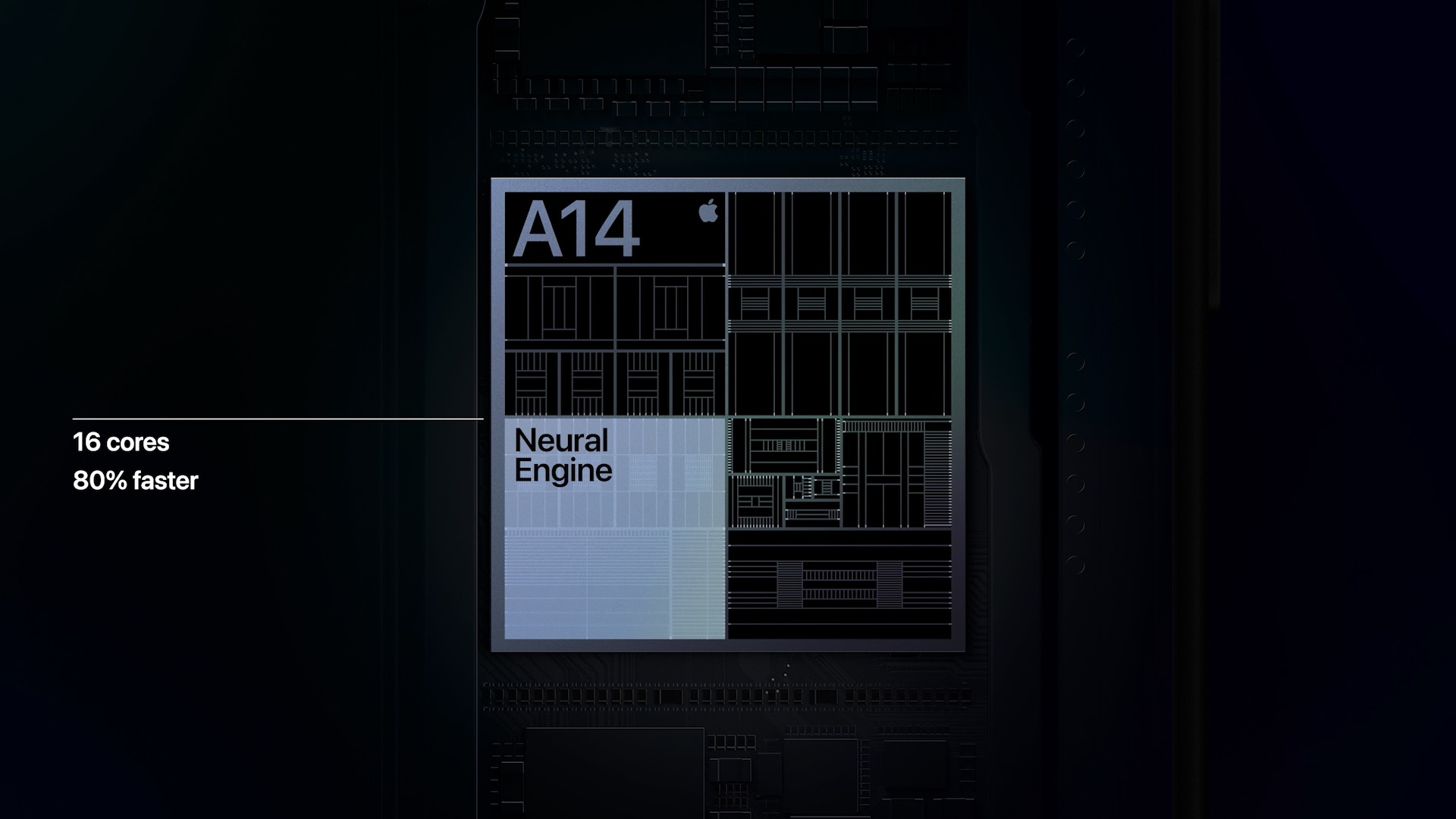
The Apple executive also sees agentic AI as a whole-chip problem rather than a GPU-focused one. “It’s not just about the GPU crunching on an LLM anymore,” he said. “It’s about the whole chip contributing to different parts of the task, tool-calling, and the things that are happening around those workflows. It really plays to the strengths of Apple silicon.”
Apple has made several improvements to its silicon in recent years, including adding neural accelerators to the chips’ built-in GPU, improving AI performance across the Mac’s M-Series chips, as well as the A-series chips used in the iPhone and iPad lineups. Brooks says that’s due to the design methods used by Apple, where a chip is designed and built for a specific device, with the hardware and software being developed side-by-side.
“We’re different from silicon vendors that build chips and then have to support lots of different customers, form factors, and use cases. We build a chip knowing exactly what systems it’s going to go into. The chip can influence the system design, and the system design can influence the chip requirements,” said Brooks.
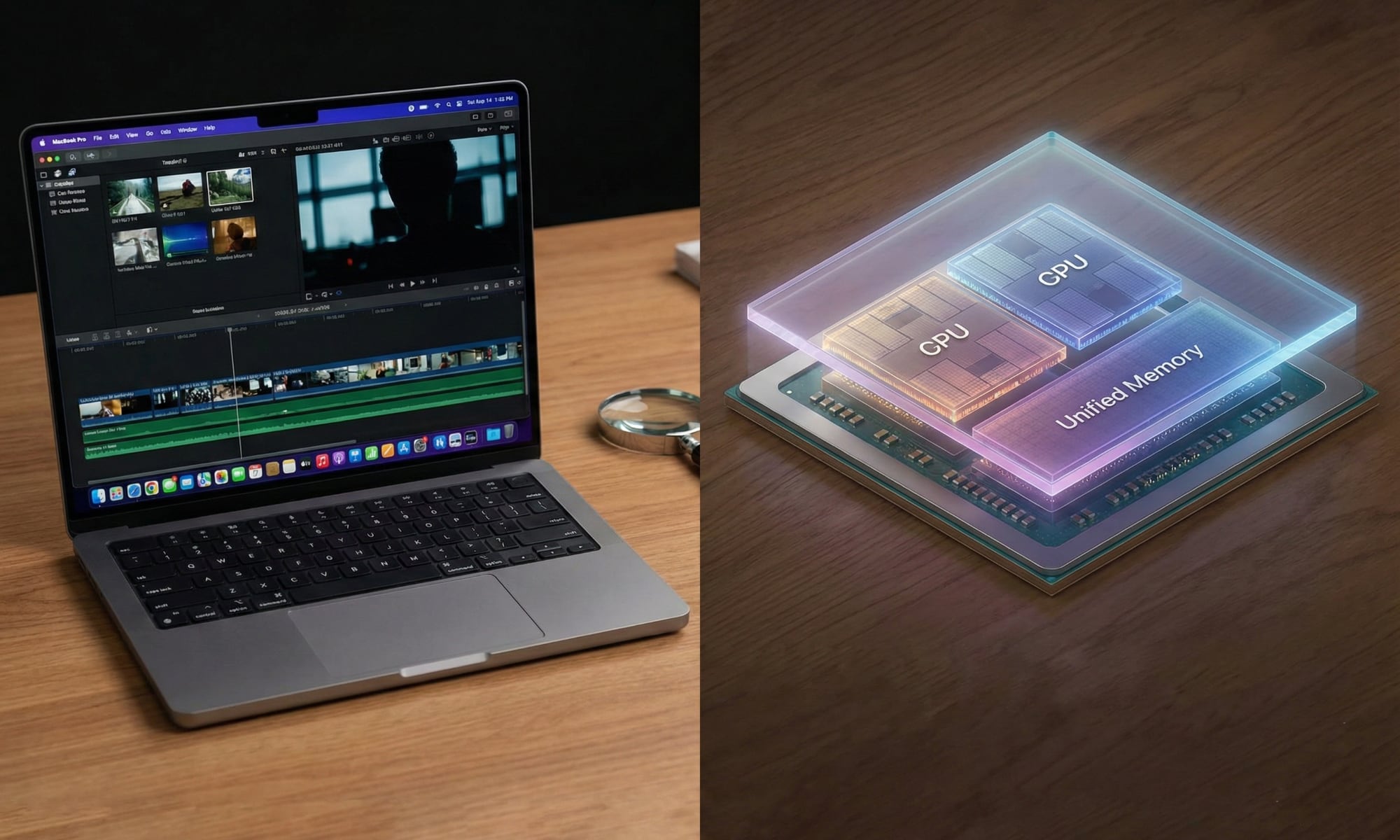
“They’re married together very tightly. I’d actually go a step further and include software in that equation. As we enable new capabilities in the chip, we want to make sure those capabilities are exposed all the way through the software stack so developers can benefit and customers can benefit. Because if those transistors go unused, what’s the point? It’s not about adding something and hoping somebody finds a use for it. We want those capabilities available to solve real problems. I think that’s what allows us to build better systems and ultimately better products,” he continued.
He also noted that Apple was ahead of other companies when it comes to running AI locally, rather than accessing it from the cloud. Local AI is becoming more popular, thanks to concerns over privacy and security, as well as the rising costs due to agents consuming more tokens. He believes that some day agents will make decisions as to what is run on the device and what gets processed in the cloud.
“The speed of AI development right now is just crazy,” Brooks said. “I can’t imagine where we’re going to be a year from now, three months from now, or even a month from now,” he added.
The full interview is recommended reading and is available on The Deep View website.