Apple’s $2,899 OLED MacBook Pro Poised to Ship Up to 1.5M Units in 2027
Toggle Dark Mode
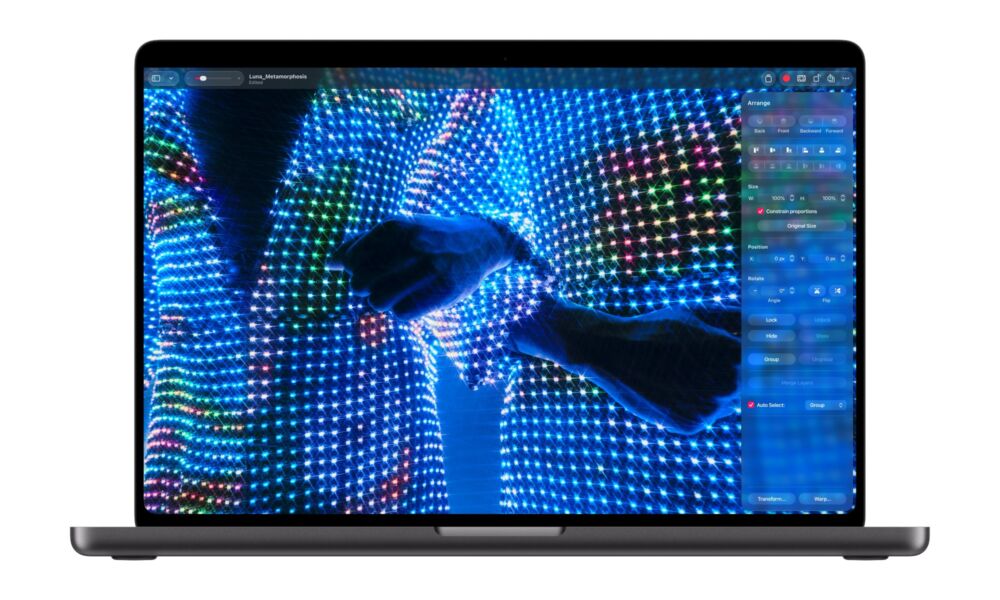
Apple’s new OLED touchscreen MacBook Pro with PROLED XDR Display, which was unveiled on Wednesday, could ship as many as 1.5 million units in 2027, according to a new sales forecast by market intelligence firm TrendForce.
The new MacBook Pro model is the first MacBook to use the tandem OLED touchscreen technology that debuted on the M4 iPad Pro two years ago.

As noted by Mactrast, Apple says the new MacBook Pro with PROLED XDR Display offers exceptional color reproduction and top-notch brightness and contrast, with up to 2,000 nits peak HDR and SDR brightness, an industry-leading 10,000,000:1 contrast ratio for exceptional detail, and a 120 Hz variable refresh rate. The new display also offers a wider color gamut covering both P3 and Adobe RGB for brilliant colors.
The new addition to the MacBook Pro lineup has a base price of $2,899 for the 14-inch model and $3,399 for the 16-inch model, with a maxed-out model going for $14,549. (Also known as “more than this guy paid for the first five automobiles he purchased.”) Preorders are available now, and the new MacBook Pro will hit store shelves on Friday, November 6.

The new model carries a $400 premium over the otherwise equivalent non-OLED MacBook Pro that launched in March, which TrendForce acknowledges could temper near-term replacement demand. However, the research firm still expects Apple to move between 1.2 million and 1.5 million units out the door in 2027.
TrendForce also expects Apple’s entry into the OLED notebook market to push display panel makers to step up the pace of development of advanced display technologies. Until now, the OLED laptop market has been controlled by Windows laptop makers, like Asus, HP, and Lenovo.
The firm says the new MacBook Pro’s launch adds an extra bit of polish to Apple’s already sterling reputation for technological innovation and premium products. Together with the MacBook Neo, whose price point was a definite departure from Apple’s traditional entry-level pricing strategy, the new premium OLED touchscreen laptop demonstrates the Cupertino firm’s ability to expand its product portfolio, with offerings covering several price points.
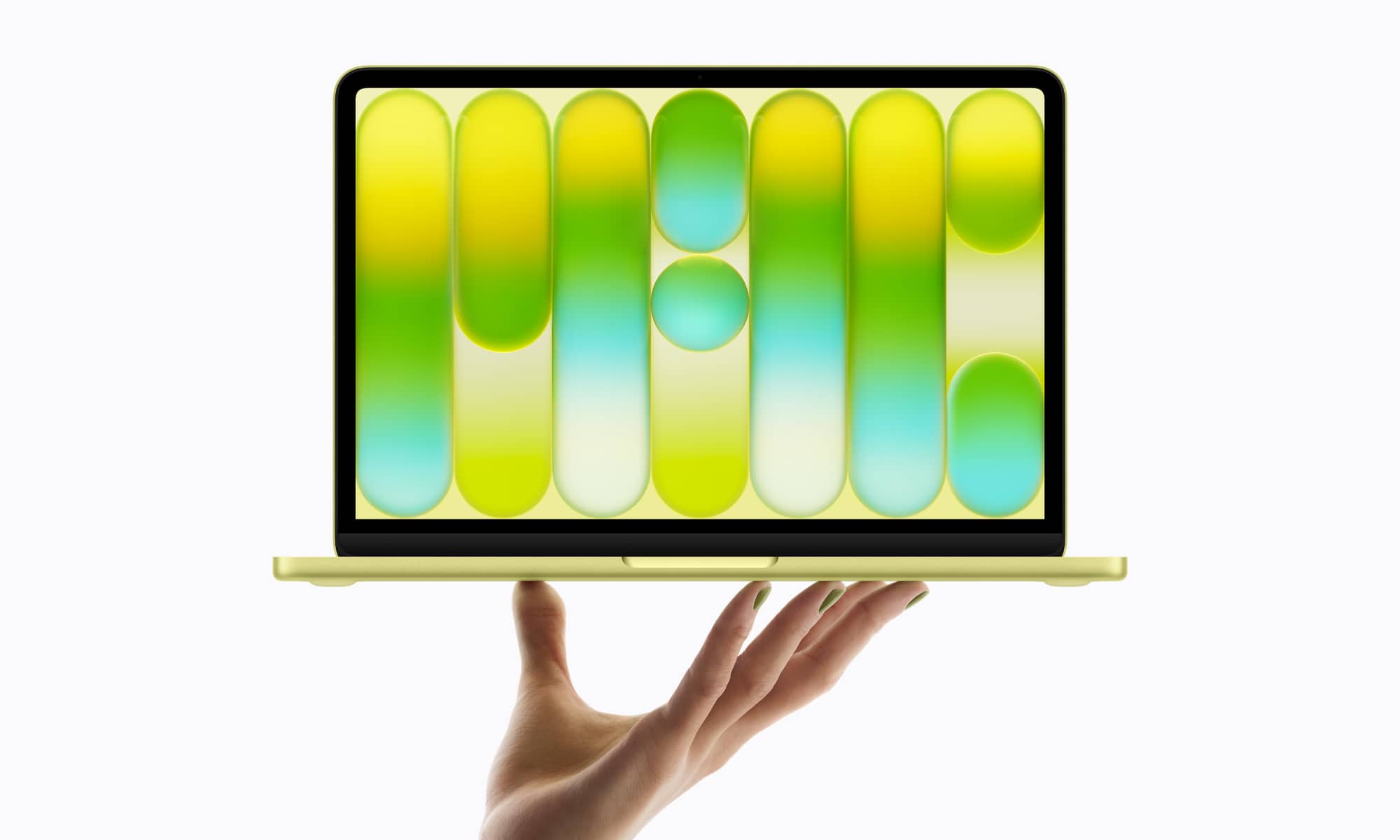
While the laptop market as a whole has been shrinking for the last two years, the market intelligence firm expects Apple’s arrival into the OLED laptop arena to increase shipments of OLED laptops year-over-year by close to 40% in 2026, with an additional jump of over 40% in 2027. That won’t just come from the new MacBook Pro, but also pressure on manufacturers to prioritize OLED models in their own lineups, thanks to increased consumer acceptance of the display technology in notebooks.
Samsung Display will definitely benefit from Apple’s expected sales of the MacBook Pro with PROLED XDR Display, as it is currently the exclusive provider of the OLED display panels used in the new lineup. This can only strengthen its already impressive position in the OLED display panel marketplace. The company has dedicated the first phase of its G8.6 A6 production line at its Asan campus in South Korea completely to Apple’s needs, and the MacBook Pro is the first product to enter mass production on Samsung Display’s G8.6 fine metal mask (FMM) OLED line.
TrendForce notes that the tandem OLED architecture and pixel density of 254 pixels per inch (ppi) of the panels used in the new MacBook Pro impose exceptionally demanding requirements on panel production. These will present substantial challenges for suppliers, particularly in the arenas of material costs and manufacturing yields.
While rival display manufacturers will certainly work to qualify as suppliers for Apple’s OLED panel needs, it will be a costly effort, due to Apple’s meticulous specifications, as well as Samsung’s entrenched position as Apple’s panel supplier.
TrendForce sees competitors such as BOE, LG Display, and TCL CSOT likely concentrating on joining Apple’s supply chain for the OLED MacBook Air models that are expected to debut no earlier than 2028 — although it remains to be seen if the OLED panels for those lower-end models will put the same demands on manufacturers.