What Xcode 27.2 Reveals About Apple’s Newest Gear (and What It Can’t)
Toggle Dark Mode
While it shouldn’t come as a huge surprise, Apple’s release of Xcode 27.2 this week has officially revealed how much RAM we can expect to find inside Apple’s newest devices — at least the ones that are open to developers.
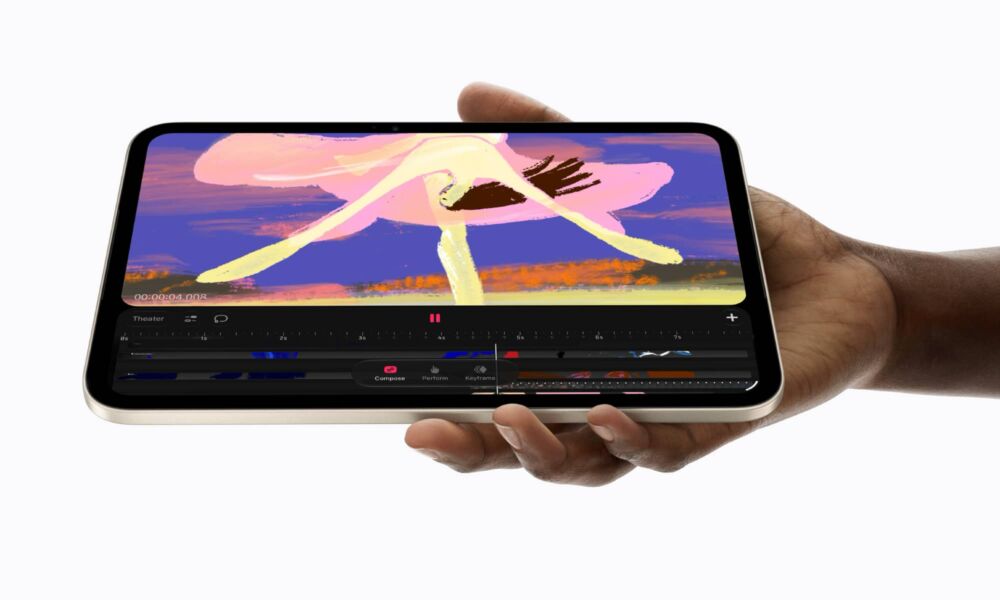
Apple released a flurry of new products this month. On October 13, a “Welcome Home” event gave us a brand-new HomeView smart home hub, a fourth-generation Apple TV 4K, and the HomePod mini 2. Then, just as we were catching our breath, this week brought an eighth-generation iPad mini (officially called the “iPad mini (A20 Pro)”), a new entry-level 14-inch MacBook Pro and 24-inch iMac, both featuring the new M6 chip, and the MacBook Pro with PROLED XDR Display — the mythic touchscreen MacBook that many believed Apple would never make.

As usual, the RAM configurations of Apple’s new Macs are not only published but variable. The M6 models start at 16 GB and can be configured up to 32 GB, while the M5 Pro MacBook Pro with PROLED XDR Display starts at 24 GB and goes up to 64 GB, and the M5 Max model ranges from 36 GB to a staggering 128 GB. Apple also finally added the 512 GB RAM configuration to the M5 Ultra Mac Studio, but the price tag on that is definitely not for the faint of heart.
However, Apple is always a bit more cagey about the RAM specifications for non-Macs. That’s not to say it’s hiding this information, but it definitely doesn’t go out of its way to advertise it.
If one were to ask an Apple executive or engineer, they’d probably say that’s because it doesn’t really matter, but we suspect the real reason is that it doesn’t want people comparing spec sheets. After all, there’s a world of difference between 8 GB in an iPhone and 8 GB in an Android device. It’s an apples-to-oranges comparison (no pun intended).
Nevertheless, inquiring minds still want to know — and developers arguably need to know — so Xcode 27.2 has spilled the beans. Of course, if you were expecting any revelations here, you’re going to be disappointed.
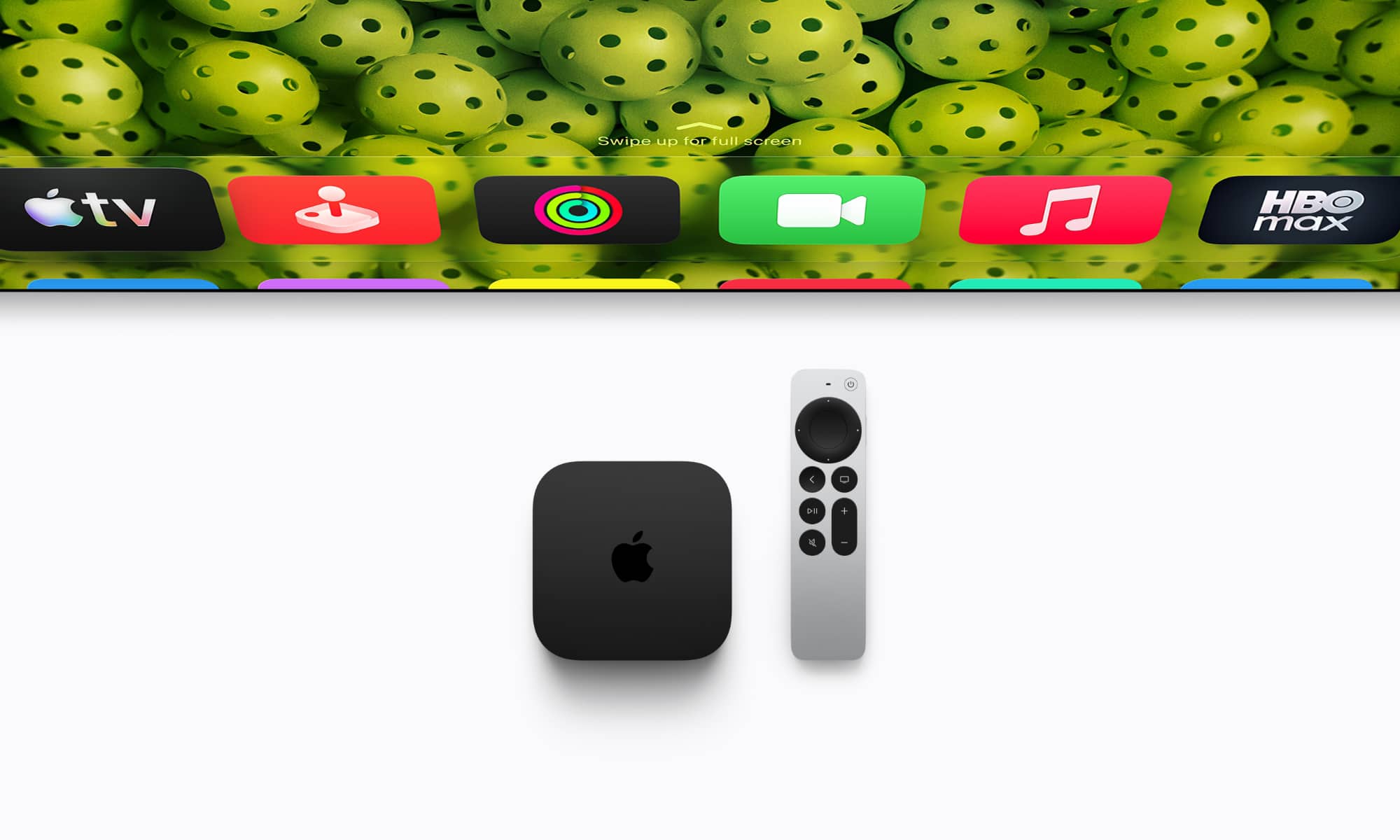
The new iPad mini (A20 Pro) packs in 12 GB of RAM, equivalent to the iPhone 18 Pro, iPhone 18 Pro Max, and iPhone Duo, all of which use the same A20 Pro chip. Meanwhile, the Apple TV 4K, which adopted Apple’s A19 chip from the iPhone 17 era, also has the same 8 GB of RAM.
Apple bakes the RAM into its A-series chips, which means that the amounts remain pretty consistent across devices that use the same chip. That’s not to say there haven’t been exceptions; the iPhone 12 and iPhone 12 Pro famously had different RAM configurations — 4 GB and 6 GB, respectively — despite packing in otherwise identical A14 Bionic chips. The same happened with the iPhone 13 and iPhone 13 Pro, although the A15 Bionic chips in the Pro models also had one extra GPU core.
Perhaps the only reason that didn’t continue into the iPhone 14 lineup was because Apple began using entirely different families of chips — and it’s done so every year since. Initially, it simply left the standard models behind on the prior year’s Pro chips (e.g., the iPhone 14 got the A15, while the iPhone 14 Pro moved on to the A16 Bionic). However, by the time the iPhone 16 lineup came along, Apple had split the line into standard and “Pro” chips, and every chip with the same designation has had the same amount of RAM since then.
So, while it’s possible Apple could have changed things up for this month’s devices, it’s unsurprising (and a bit reassuring) to find out that it hasn’t — despite the new iPad mini actually using binned versions of the A20 Pro chip that differ in the number of cores not only from the iPhone 18 Pro and iPhone Duo but even across storage configurations.
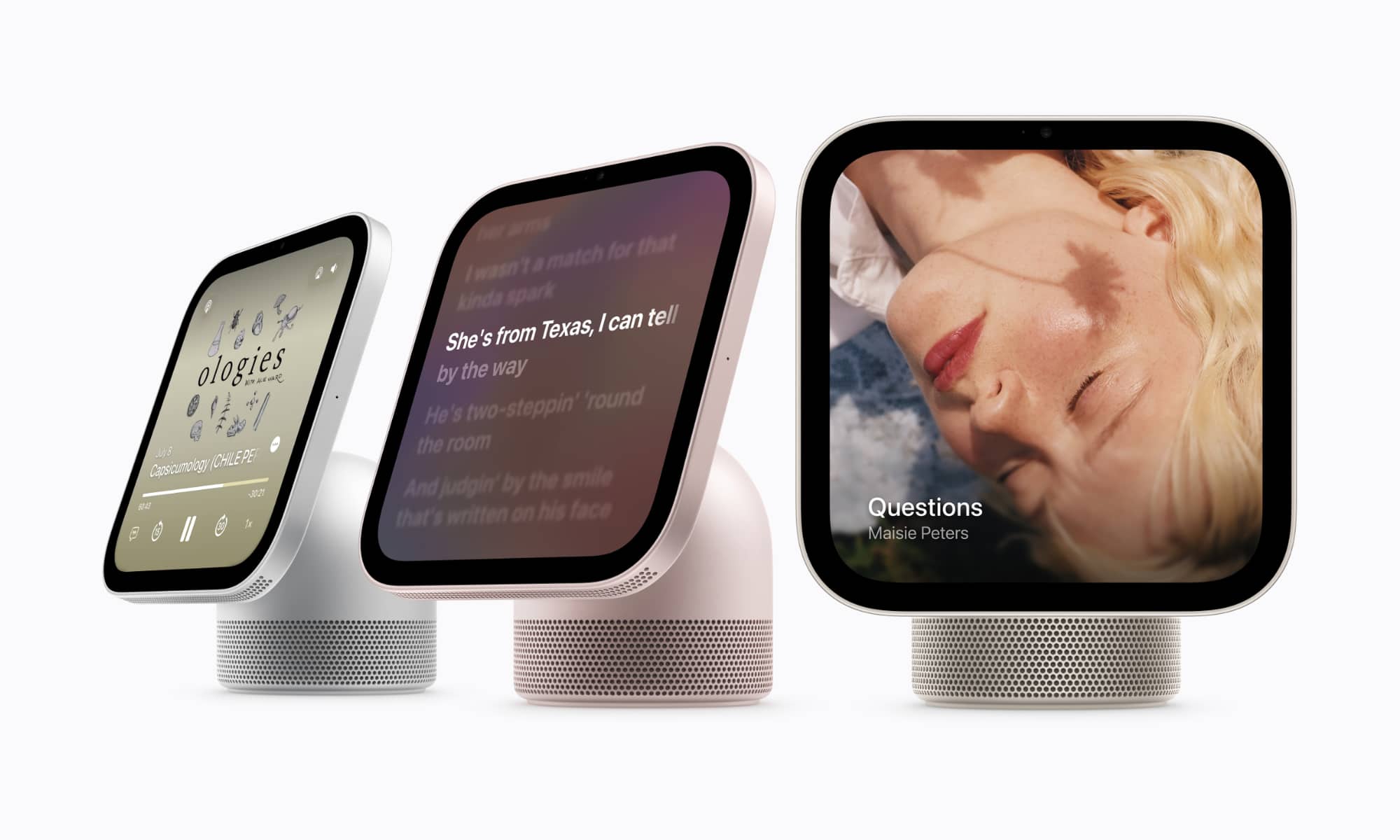
This also makes it a pretty safe bet that the HomeView, which uses the A18 chip from the iPhone 16, will also pack in 8 GB of RAM. Sadly, Xcode can’t confirm that, as Apple’s new smart home hub isn’t open to developers (yet).
Ditto for the HomePod mini 2, which uses an S10 chip from the Apple Watch Series 10, Series 11, and Ultra 3 models, and therefore likely only has 2 GB of RAM. That’s still twice as much as the original HomePod mini, which has the S5 chip with 1 GB of RAM.
What’s interesting here is that the new HomePod mini 2 will support Siri AI (although not at launch), and since that’s traditionally required at least 8 GB for on-device models, this makes it a safe bet the smart speaker will lean much more heavily on other home devices and Apple’s Private Cloud Compute infrastructure to do the heavy lifting.