Apple Confirms It Won’t Brick Your Leased iPhone
 YASUTAKA OTSUKI / Adobe Stock
Toggle Dark Mode
Earlier today, Apple announced a new leasing plan for the iPhone, Apple Watch, Mac, and iPad, providing customers who upgrade on regular cycles with a more affordable way to get the latest hardware. However, Apple’s announcement left one lingering question that stemmed from code found in iOS 27 last week.
Not long after Bloomberg’s Mark Gurman leaked news of the Apple Upgrade program, the folks at 9to5Mac found code in the iOS 27 beta hinting at a digital repo man — a way of locking down iPhones and other devices if payments were missed.
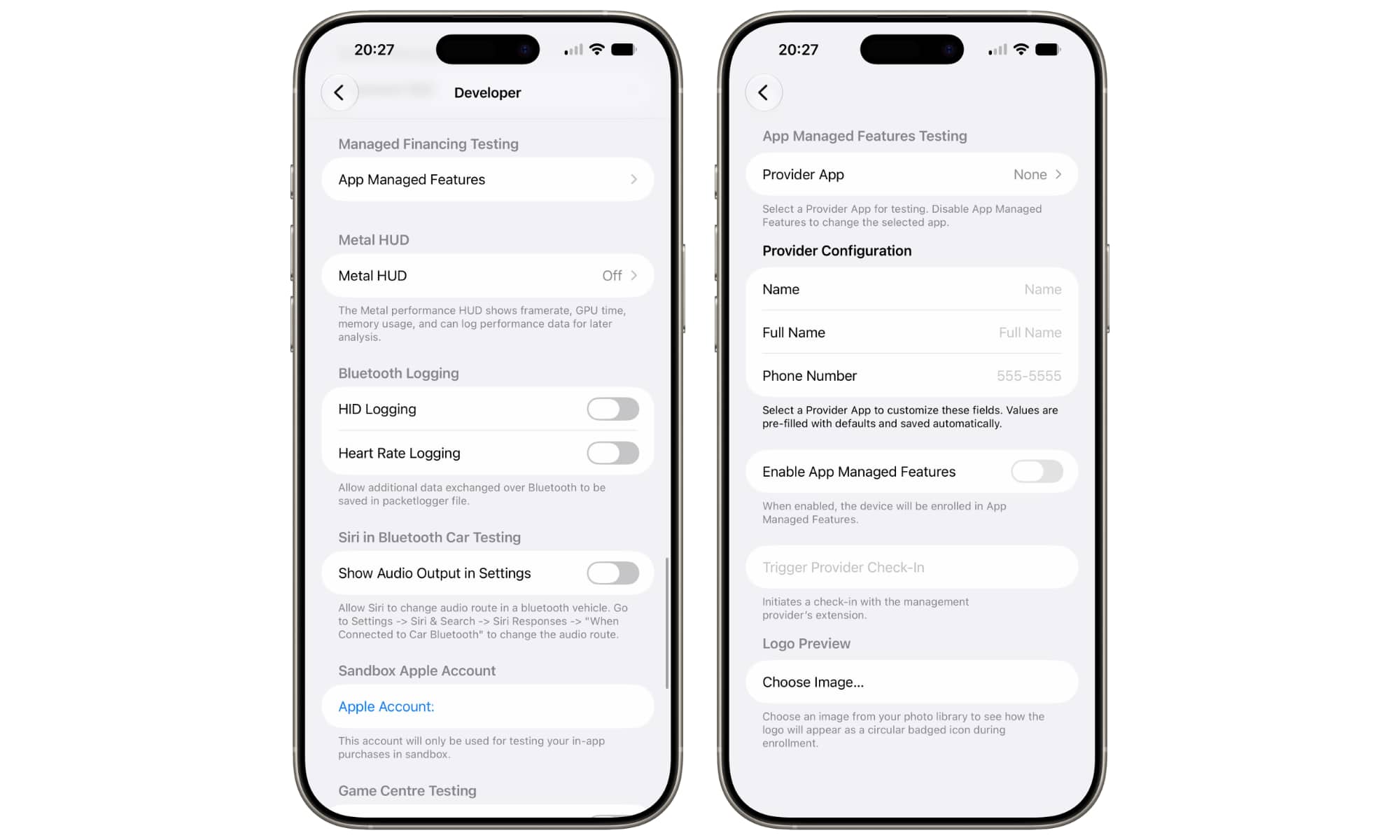
The system, dubbed “App Managed Features,” was designed to allow authorized financing providers to lock down all but the most basic functions of an iPhone. Users would still have the ability to make phone calls, access cards in the Wallet app, receive critical notifications, and access other important information such as health data and passwords. However, most third-party apps would be disabled.
It also included a “Partner Finance Lock” designed to operate similarly to Activation Lock, preventing a financed or leased iPhone from being wiped and set up fresh.
While the timing seemed more than coincidental, it was never clear if Apple intended to use this for its own Apple Upgrade program, and the absence of similar code in iOS 26.6 cast some doubt.
However, the good news is that Apple has now removed all doubt that this feature will be used as part of its new leasing program.
Following the launch of the Apple Upgrade program earlier today, The Verge’s Emma Roth received the following statement from spokesperson Brian Bumbery:
There will be no restricted mode and/or there will be no limitations put on device functionality due to missed payments or default with the Apple Upgrade program.
There isn’t much to read between the lines here: whatever the new Partner Finance Lock feature is for, it’s not for Apple’s in-house program.
Instead, missed payments will be handled by Klarna in much the same way as any other financing or leasing arrangement — through standard legal and collections pathways. Klarna spokesperson Clare Nordstrom told The Verge that if customers miss three payments in a row, the company will “terminate the lease agreement and the customer will need to pay the full outstanding balance.”
Of course, that doesn’t explain why this “Restricted Mode” exists. After The Verge published its report, 9to5Mac followed up with more details on where the options can be found in the current iOS 27 beta, noting that they’ve been around since the first developer beta was released in June.
The most obvious answer to that question — and the theory espoused by 9to5Mac — is that Apple is adding this to appease other financing partners who may want to make use of it. Apple may not want to use such a heavy hand, but there are already places in the world where locking devices for non-payment is actually the norm.
For example, India long had a policy where lenders and smartphone makers collaborated to block financed devices after missed payments. The Reserve Bank of India (RBI) put a stop to that in 2024 due to privacy concerns, but Reuters suggested a more limited form of that program could be making a return.
It’s unlikely financing companies or carriers will be able to remotely impose these capabilities without a customer agreeing to them. As they stand now, the “App Managed Features” require a third-party “Provider App” to be installed. While companies could easily make leasing or financing an iPhone conditional on installing such an app — and keeping it installed — this is still something customers would need to opt into.