Fix Your Own iPhone 18 Pro? Apple Now Sells the Parts (But Do the Math First)
 Sayan Majhi
Toggle Dark Mode
Apple is getting faster at bringing its Self Service Repair program to its latest devices. As of today, you can now check out official repair manuals and order parts for the iPhone and Mac models that launched just last month. That puts Apple about ten days ahead of last year’s timeline, when the iPhone 17 was added to the program on October 30.
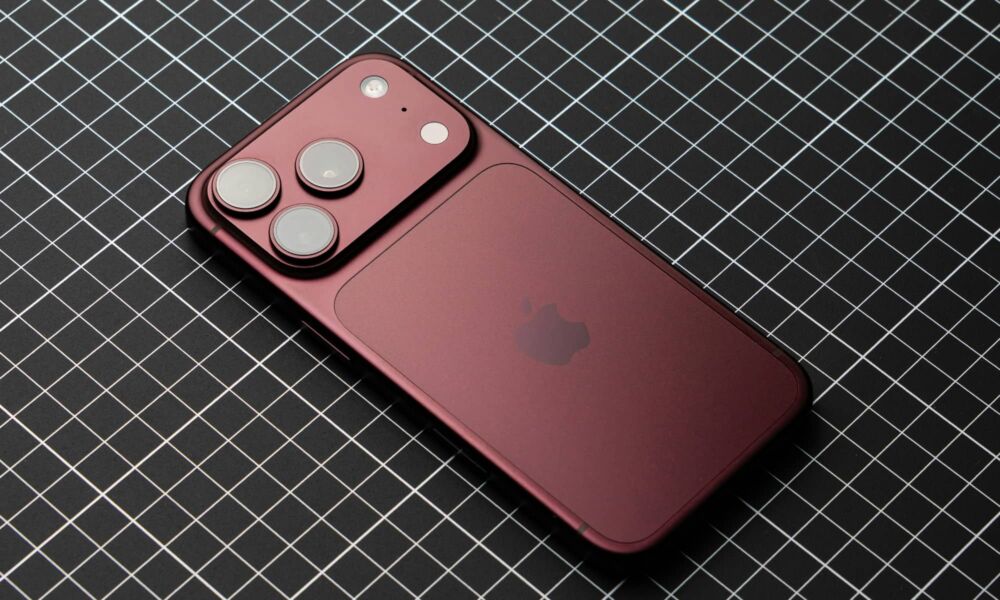
The folks at 9to5Mac spotted the additions early this morning, noting that Apple is selling repair parts for the iPhone 18 Pro and iPhone 18 Pro Max as well as the new M5 Max and M5 Ultra Mac Studio and M6 and M5 Pro Mac mini models. While those Macs were announced in late August, they didn’t go on sale until September 22 — four days after the iPhone 18 Pro models.

Apple announced its Self Service Repair program in late 2021, although it didn’t arrive until April 2022, and initially encompassed only the iPhone 12 and iPhone 13 lineups that were current at the time. While the iPhone 14 showed up in September, it wasn’t until June 2023 that owners of Apple’s latest model could order parts through the DIY program.
However, Apple has gradually accelerated that over the years, with repair manuals and parts for the iPhone 15 lineup arriving in December 2023 and the iPhone 16 lineup shifting into mid-November 2024.
Meanwhile, Macs first joined the program in August 2022, starting with Apple silicon MacBooks before expanding into desktops in December of that same year. However, it wasn’t until May 2025 that the iPad family was invited to the party.
As the name suggests, Apple’s Self Service Repair program provides do-it-yourselfers with free online access to official Apple repair manuals, which helps determine whether a DIY repair is even feasible. For those who want to dive in, the online Self Service Repair Store sells the required parts — and rents the tools needed to conduct the repairs.

Since all of the new devices included in the program will be under warranty, there probably won’t be too much demand for parts at this point, as most users are far better off visiting their local Apple Store or Apple Authorized Service Provider (AASP).
Of course, physical damage isn’t covered by warranty, but if you’re thinking a DIY repair might be a better option than simply opting for AppleCare+, you may want to take a closer look at the pricing.
As we outlined when the program launched in 2022, the price that Apple sells its parts for suggests the company isn’t making a ton of profit on out-of-warranty repairs at Apple Stores — something that’s also been a longtime complaint of AASPs and independent repair providers. That’s probably why so many smaller, non-authorized repair shops use aftermarket parts.
In that sense, the iPhone and Mac industry isn’t much different from the automotive industry; OEM parts are pricier. The only difference is that you’re much more likely to get away with aftermarket OEE (Original Equipment Equivalent) parts on most vehicles. That’s generally not the case when it comes to the iPhone.
To put this in context with a bit of quick math, a replacement display for an iPhone 18 Pro costs $329 — the exact same price as an iPhone 18 Pro screen repair at an Apple Store. There’s a $16.45 part return credit dropping that to a net cost of $312.55, but there are also incidental parts required such as screws that add an extra couple of bucks, so by the time the dust settles, you might save $10–$12 by doing this yourself.
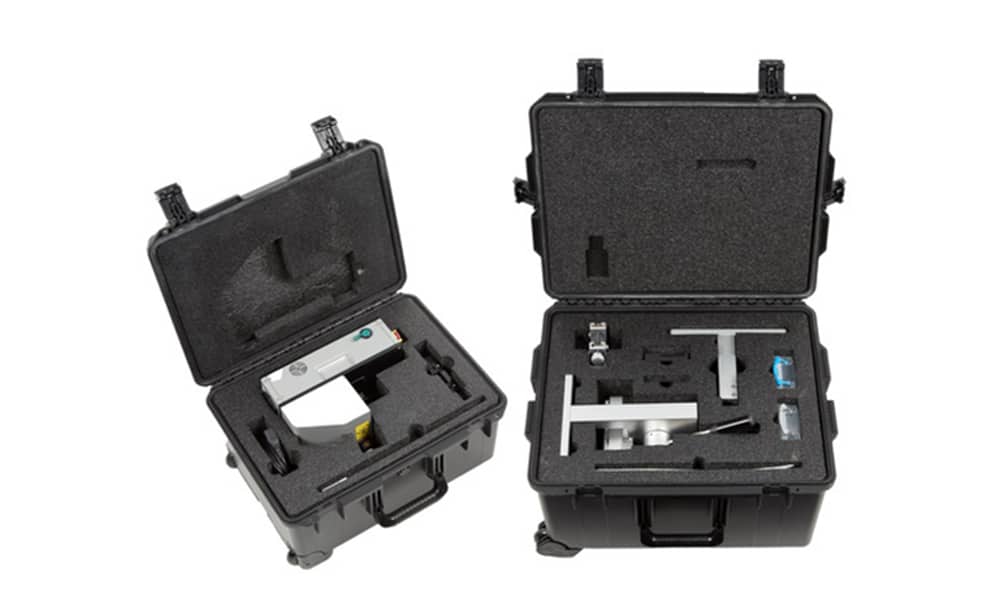
However, that assumes you have the tools needed to pull this off — and iPhone repairs definitely require specialized tools. Apple will happily rent you those for $49 for seven days — plus a hold on your credit card for their full value until they’re returned. Factor those in, and you’re far better off visiting your local Apple Store and letting them do it for you.
That’s even more valuable considering that the repair process is not for the faint of heart. Even with all of Apple’s manuals and tools on hand, this is precision work, and if you break something during a DIY repair, that’s on you. The advantage of taking it to an Apple Store or AASP is simple: if something goes wrong, they own the mistake — not you.
The other repairs aren’t much better. The back glass costs the same $159 from the Self Service Repair Store that Apple charges for an in-store repair, and a new battery costs the same $129 in both cases, although that one at least has a more generous $61.92 part return credit, which means you could rent the tools and still come out slightly ahead at $116.08.
There’s also not really an economy of scale here unless you’re repairing multiple broken phones of the same model. That’s because Apple’s repair toolkits are model-specific. Even the iPhone 18 Pro and iPhone 18 Pro Max are two different toolkits, which you would have to rent separately at $49 each. It’s almost enough to make you think Apple doesn’t really want people trying to repair their own devices.