End of the Line? Judge Rejects Apple’s Appeal in $634M Masimo Patent Fight
 Katya Rekina / Shutterstock
Toggle Dark Mode
The legal battle between Apple and Masimo over the blood oxygen sensor technology in the Apple Watch may finally be over. Well, unless Apple can find a way to get around a US District Judge’s “final” ruling.
According to a report from Law360, US District Judge James V. Selna has rejected an Apple appeal of a jury’s findings, based on the definition of a “patient monitor,” bringing the legal battle between the two parties to a close.
Other than a load of news stories covering the long-running legal battle between Apple and Masimo, and a decent-sized fine Apple will now be required to pay to Masimo’s new owner Danaher, nothing really got resolved, did it?

While Masimo successfully obtained a ban on the import of Apple Watches with the blood oxygen sensor technology, Apple was soon able to devise a workaround to use the sensor without infringing on patents held by Masimo, allowing the oxygen sensor to be re-enabled in an Apple Watch operating system update. Masimo, of course, pushed back for another ban, but ultimately failed to prevail.
Now comes the time for Apple to pay the piper. While the $634 million in damages awarded to Masimo last fall would barely put a dent in Apple’s Scrooge McDuck-size pile of cash, the company was sure to appeal any such ruling, because that’s what lawyers do. The fine sits at the low end of Masimo’s requested range — which topped out at $749 million — but still well above what Apple felt was “reasonable.” The iPhone maker had argued that damages should fall between $3 million and $6 million.
Although it looks like Apple will finally be required to write a check to Masimo, as the judge rejected both requests for either a new judgment or trial, the company employs a team of lawyers whose specialty is performing Mickey-Haller-like legal feats like finding legal loopholes that may get the case back in court.
Now though, it looks like it’s time for the lawyers to start building that new yacht or summer home they’ve been wanting.
A related Masimo complaint before the US International Trade Commission (ITC) resulted in a ban on importing and selling Apple Watch models with blood oxygen sensing in the US. After some legal back-and-forth, the ban came fully into force on January 18, 2024. Apple was allowed to continue selling the affected models only after US Customs and Border Protection (CBP) confirmed that the blood oxygen feature had been rendered non-functional.
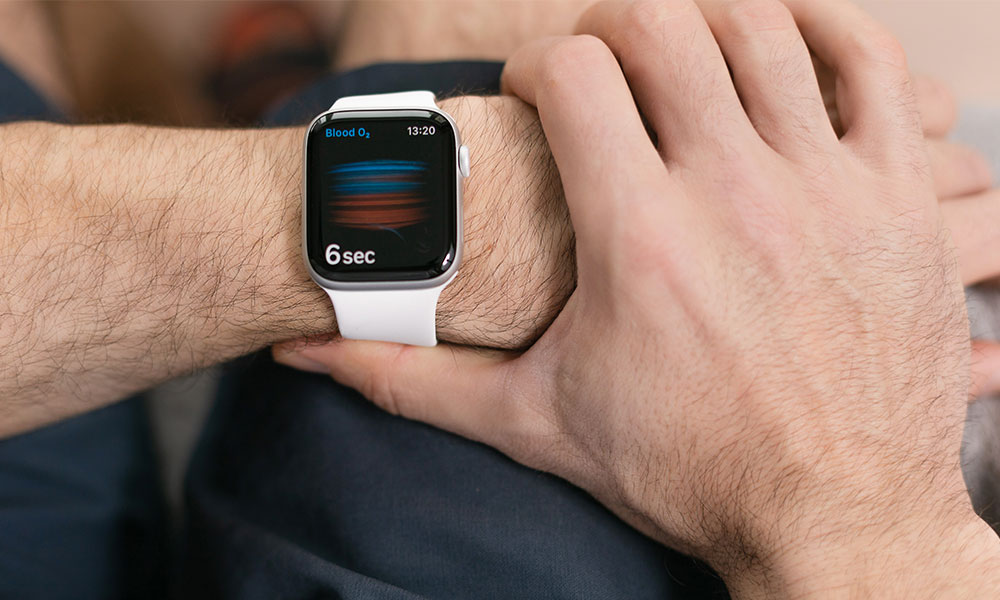
Apple was able to restore the blood oxygen feature in a mid-August 2025 software update by using an alternative method of collecting blood oxygen data on the Apple Watch but analyzing it on a paired iPhone. This allowed Apple to bypass Masimo’s patents, as those describe a single “user-worn device” that both collects and processes blood oxygen data — and CBP agreed.
Of course, once the feature was restored, it didn’t take long for Masimo to challenge CBP’s decision. However, CBP punted the issue, saying its job was to enforce the rules as written, not re-interpret them, and in the end, the ITC ruled Apple’s new method did not infringe on Masimo’s patents.
The back-and-forth ultimately came to an end with an ITC decision in April that it would not review any further petitions from Masimo, effectively terminating the case and allowing Apple Watch models with the redesigned blood oxygen sensor technology to continue being sold in the US.