Coding with Heart: Meet the Students Using Apple Intelligence for Good
Toggle Dark Mode
In the months leading up to its annual Worldwide Developers Conference (WWDC), Apple typically challenges aspiring developers to create and submit unique apps in its Swift Student Challenge. This year’s challenge ran from February 6–28, 2026, and while Apple formally announced the full list of winners on March 26, today it’s highlighting four “Distinguished Winners.”
This year’s Swift Student Challenge saw 350 winning submissions overall representing student developers from 37 countries. However, only 50 of those were considered “Distinguished Winners,” earning them an invite to Apple Park next month to attend WWDC 2026 in person. During that time, they’ll not only get to meet and swap ideas with other developers, but they’ll also be taken on a “curated three-day experience,” that will give them an opportunity to learn from Apple experts and engineers and participate in hands-on labs.

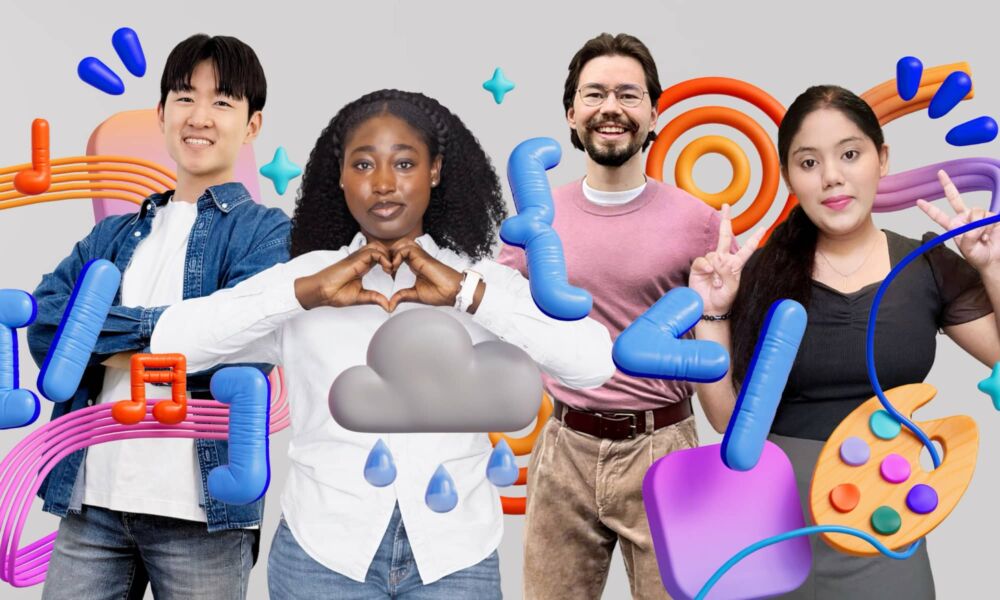
From among those 50, Apple is focusing on four particularly noteworthy apps that solve real-world problems and “demonstrat[e] the power of app development to drive lasting change.”
- Steady Hands, an app created by Gayatri Goundadkar to make art more accessible by using Apple Pencil stabilization to support individuals with tremors.
- Pitch Coach, created by Anton Baranov, is designed to help folks with great ideas put them into words and overcome presentation anxiety.
- Asuo was created by Karen-Happuch Peprah Henneh to help users navigate their way out of flood zones by calculating rain intensity and using historic flood data to power a pathfinding algorithm.
- LeViola was created by Yoonjae Joung to help aspiring string players learn the viola without the need to have an actual instrument on-hand.
Steady Hands
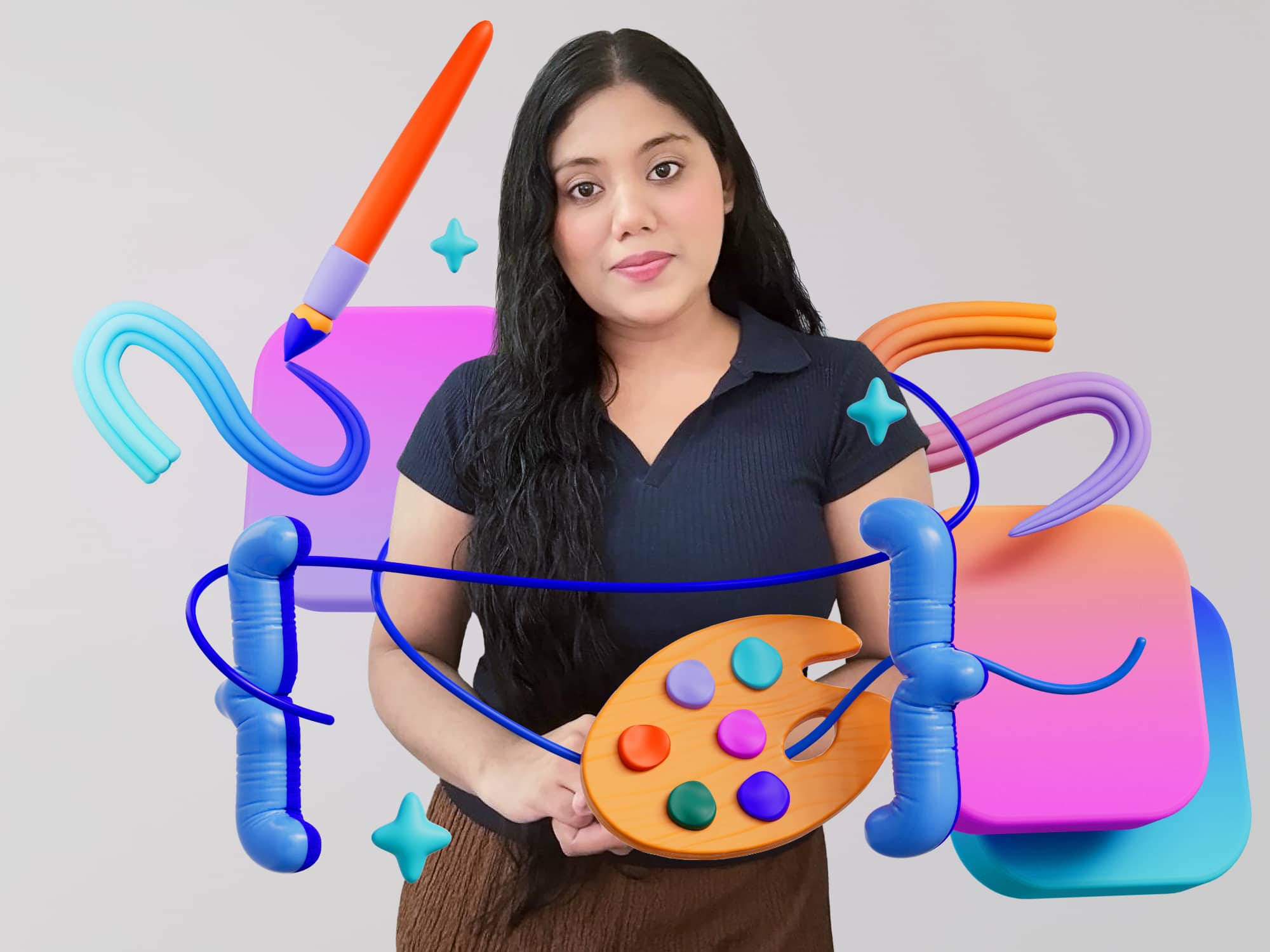
Apple notes how each one of the highlighted quartet of developers were inspired by their own communities and families to build apps that solved specific pain points they’d experienced in their own lives. For example, Gayatri Goundadkar was inspired to create Steady Hands after watching her grandmother, with whom she shared a passion for Warli painting, lose her ability to enjoy the art as her hands became less steady with age.
“My main audience is older adults,” explains Goundadkar, a third-year computer science student at Maharashtra Institute of Technology World Peace University, where she’s involved in an app development program. “Especially in India, technology can feel intimidating for that generation, so I made every decision with that in mind. The interface had to feel calm, not clinical. I didn’t want anyone to open the app and feel lost or overwhelmed. I wanted them to feel like it was made for them.”
Goundadkar dived into research on tremors, iPad touchscreen interactions, and lessons on how Apple’s PencilKit handles stroke data. She then built a tool to analyze the raw motion data from the iPad and Apple Pencil, capturing hand movements and signal processing techniques to identify the frequency and intensity of a user’s tremor. From this, it’s able to separate intentional movements from those that are caused by tremors.
Pitch Coach
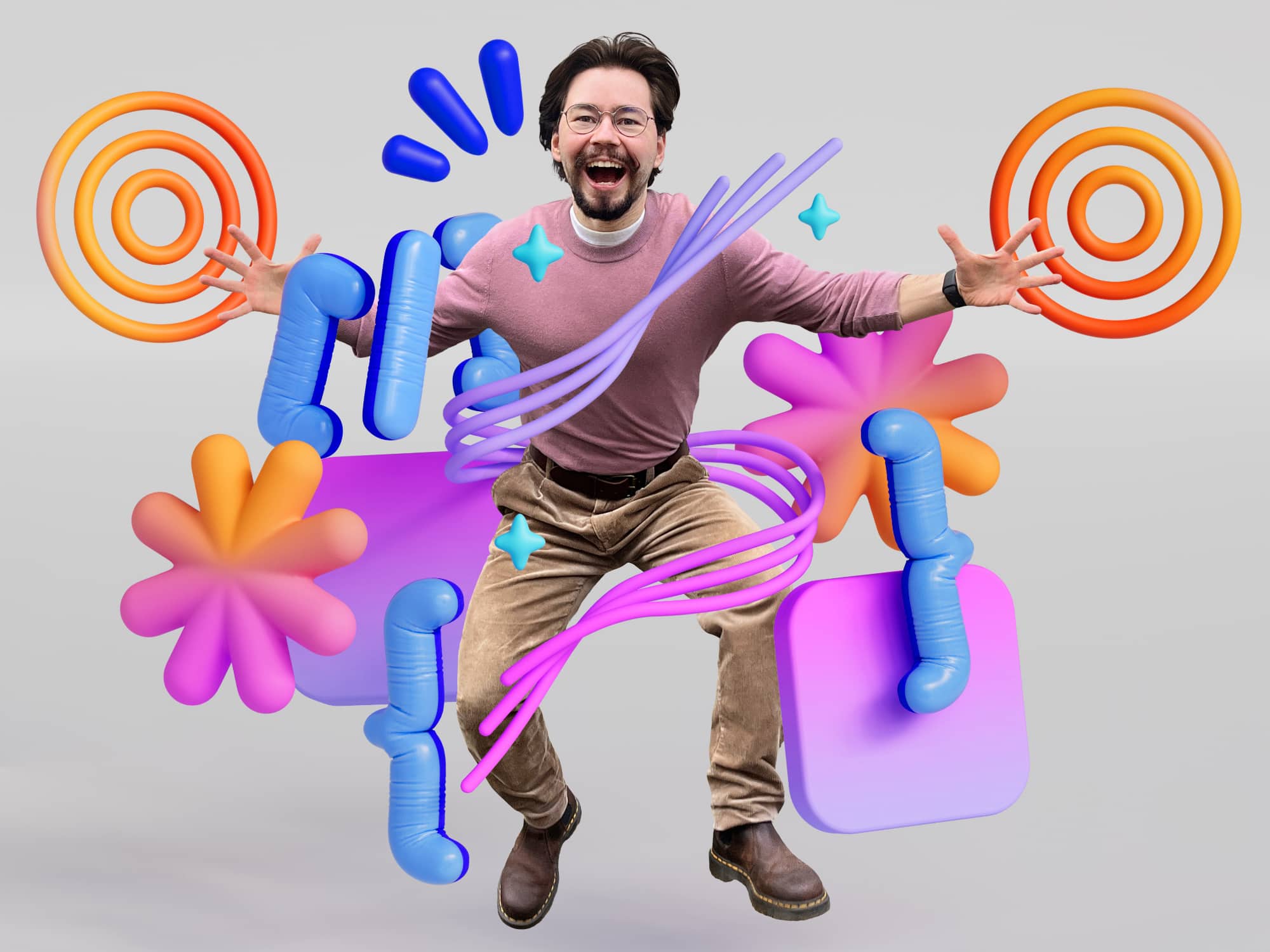
Similarly, Anton Baranov created Pitch Coach after a conversation with his mother at the family’s kitchen table in Frankfurt, Germany. A language and linguistics professor, Baranov’s mother commented on how some of her most talented students tended to freeze up and lose their words when presenting their ideas. This inspired Baranov to solve the problem with an app that he describes as “an Apple Intelligence-powered wingman for Shark Tank pitches.”
More than merely a set of lessons and tips, Pitch Coach uses Apple’s Foundation Models — the core of Apple Intelligence — to provide personalized feedback as a person practices their presentation, from identifying filler words to providing posture tracking through AirPods. Pitch Coach has been available on the App Store since early March, and has already amassed more than 6,000 downloads.
Asuo
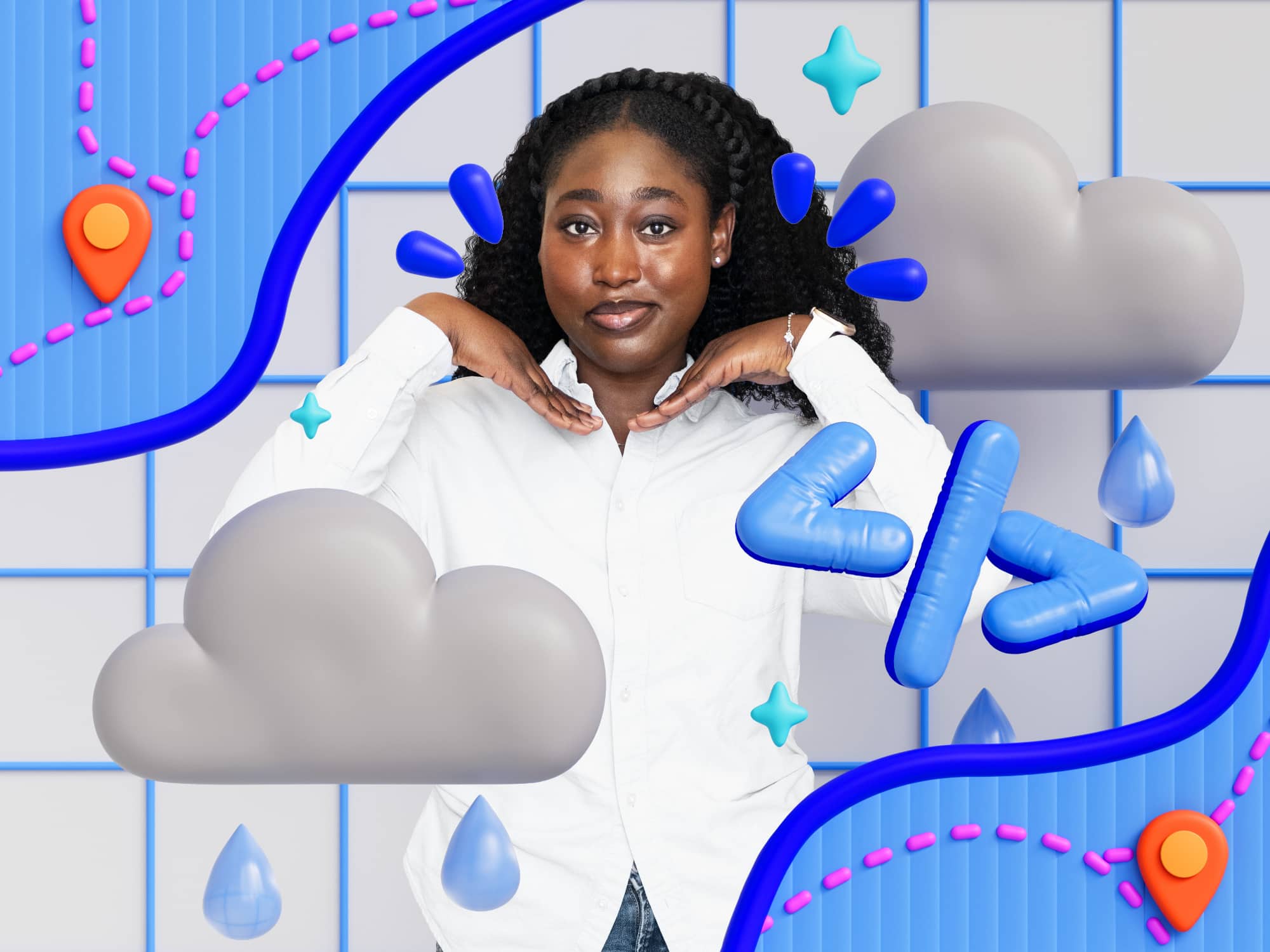
Ghanaian developer Karen-Happuch Peprah Henneh was inspired by Apple’s challenge to solve an even more practical and pressing problem: helping people in flood-prone communities get to safety. Asuo, which means “flowing water” in Twi, is designed to provide safe, real-time routing to individuals in flood zones, and it’s based on Henneh’s own experiences with the fatal floods that hit Accra in 2015.
“That experience really stayed with me because the whole country was in mourning,” Henneh says. “I decided that if I ever had a chance, it’s going to be the first thing that I would want to work on: Build an app that can calculate rain intensity and uses a pathfinding algorithm informed by historic flood data.”
Asuo was also built with accessibility at its core, as Henneh believed that this is an app that needs to work for everyone, especially in a crisis. All of the app’s interactive elements have VoiceOver labels, and Henneh even built a custom voice alert system that users can toggle on with a speaker button.
LeViola
The story of the last Distinguished Winner on Apple’s list feels a little bit more whimsical, but it still solves a very real problem faced by many aspiring musicians: how to learn an instrument when you have no instrument to practice on.
Yoonjae Joung was inspired to create LeViola simply because he missed his instrument — the viola — after being forced to leave it behind in South Korea when travelling to an exchange program at New York University. The resulting app wasn’t just for practice, though; Joung created it to help new musicians learn the instrument from scratch with nothing more than an iPhone.
“When I came up with the idea of using my hands to play the instrument, and using the camera overlay to help users navigate their own bow pose, I didn’t know where to start,” Joung says. As a result, he used Claude, Codex, and Gemini to familiarize himself with Swift, and then experimented with Create ML and Core ML to train and integrate his model. “I used them to analyze the joint of the left hand to determine which notes are pressed,” he explains. “To differentiate between strings and a realistic playing experience, I decided to track the angle of the right arm.”
For Joung, LeViola is just the start. He wants to continue working on Apple’s devices, and already has an app in mind for “digital platforms which can connect people in the real world.”
“The breadth of creativity we see in the Swift Student Challenge never ceases to amaze us,” says Susan Prescott, Apple’s vice president of Worldwide Developer Relations. “This year’s winners found remarkable ways to harness the power of Apple platforms, Swift, and AI tools to build app playgrounds that are as technically impressive as they are meaningful. We’re incredibly proud to support their journey and can’t wait to see what they create next.”