Will 2026 Be the Year Apple and Goldman Finalize Their Divorce?
 Apple
Apple
Toggle Dark Mode
When Apple and Goldman Sachs joined forces to launch the Apple Card six years ago, it seemed like an unusual but promising partnership that many believed would usher in a new future of finance and technology.
However, it didn’t take long for the relationship to sour, and by 2023, we were hearing rumors that Goldman was looking for ways to pull out of the deal, and by November, the two had formally announced their plans to call it quits, subject to finding a new partner to take over the financial side of things. Now, 9to5Mac reports that 2026 may be the year that happens.
Why Does Goldman Sachs Want Out?
First, let’s look at the reasons Goldman Sachs is looking to get out of its Apple Card partnership.
Even though Goldman Sachs CEO David Solomon in 2019 called the Apple Card the “most successful credit card launch ever,” it was a bit of a high-risk one at best, and the relationship may have been destined to fail from the start.
At the beginning of the relationship, it seemed like a great way for Goldman Sachs to reach Apple’s customer base of wealthy and tech-savvy young adults. However, as we reported back in November 2023, the Apple Card had reportedly cost the investment bank over $1 billion in the first three years of its launch, and it wasn’t expected to break even until at least 2025.
There were complications in the partnership from the very beginning, with Goldman Sachs executive expressing displeasure over Apple’s ads for the card, which insisted that the card wasn’t from a “bank,” while it pushed for card approvals for applicants that might have been denied by the rather conservative lender.
There was also quite a bit of friction between the two parties, as Apple wanted all of its card users to receive their bills on the first of the month, rather than the traditional rolling basis most credit card companies used. Unfortunately for Goldman Sachs customer service department, that requirement resulted in support agents being hit with a tsunami of calls from customers at the first of each month.
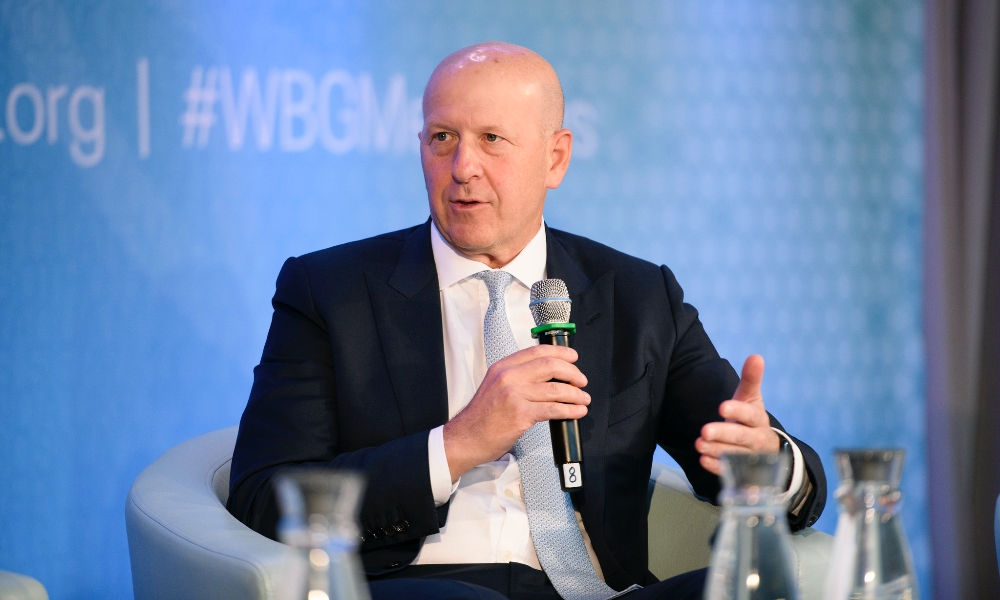
While Goldman Sachs appeared to want out of the deal, the financial firm’s CEO David Solomon continued to praise his company’s partnership with Apple, insisting that it would provide a ”meaningful dividend for the firm over time.” At the same time, Goldman extended the deal until 2029, although that was likely just a way to maintain stability while they worked out a graceful exit.
The Rumored Contenders
We’ve heard several lenders mentioned that may take the Goldman Sachs spot in the Apple Card partnership, including American Express, Capital One, and Synchrony. However, it is looking less and less likely that any of those firms will take over the partnership.
American Express has been reluctant to throw its hat into the ring as a willing suitor, likely due to the Apple Card’s current customer base including quite a few subprime customers, as well as the $1 billion in losses Goldman Sachs has experienced so far.
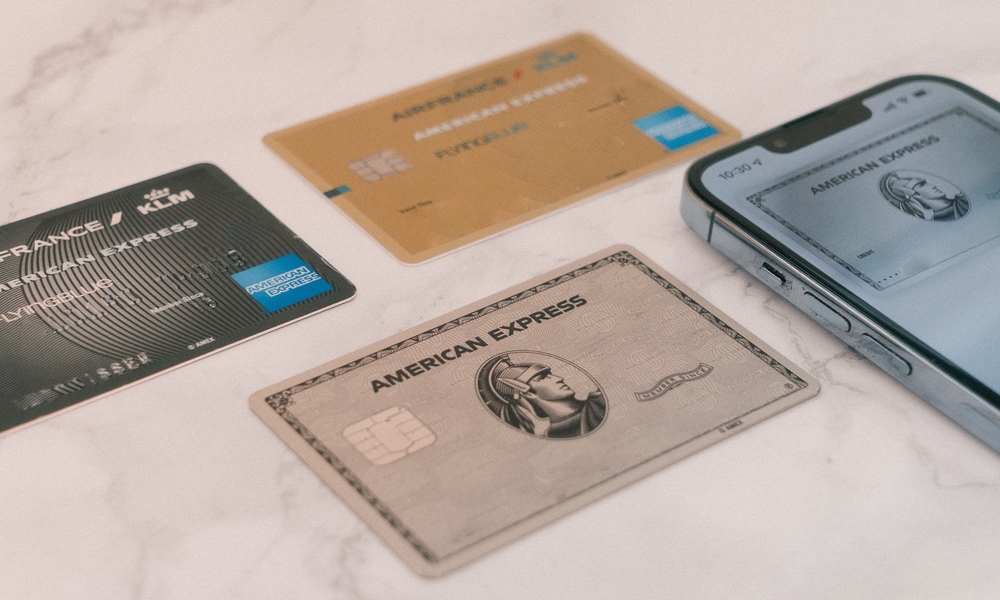
AMEX, as well as the other potential suitors, are also likely turned off by the mere generosity of the Apple Card’s fees system. Apple Card currently charges no late fees, foreign transaction fees, or returned payment fees, while offering up to 3% cash back on purchases with partner merchants. It also offers 0% APR financing on the purchase of Apple products.
The ‘Preferred’ Suitor
Currently, it looks like JPMorgan Chase may be the partner Apple is best suited for. The Wall Street Journal reported in July that while it looks like a deal may be signed, Chase is still turned off by the idea of taking on the Apple Card’s high percentage of subprime customers.
Chase has a subprime rate of approximately 15%. For comparison, well-known subprime lender Capital One has a subprime rate of around 31%. Meanwhile, the WSJ says the Apple Card has a rate of 34%. A subprime customer is generally considered to be someone with a credit score below 660. The Apple Card’s delinquency rate of around 4% is higher than the credit card industry average of 3.05%.
With more than $20 billion in Apple Card balances, that puts JPMorgan Chase facing the risk of $800 million in bad debt, which means it’s only likely to make a deal if it can buy those Apple Card balances at a significant discount.
Beyond credit scores, there has also been industry speculation that Chase will likely impose its strict “5/24” application rules — automatically denying anyone who has opened five or more credit cards with any issuer in the past 24 months — on new Apple Card applications.
The Apple Card Savings Account could also be a dealbreaker for Chase. Since the bank doesn’t traditionally offer high-yield savings accounts, it may be reluctant to take over that part of the Apple Card partnership, leaving Goldman Sachs holding the bag or shopping for another partner to handle the billions of dollars that have been deposited with the bank.
While the divorce between Apple and Goldman Sachs has been inevitable for over two years, the terms of the settlement have made it a messy one. Whether JPMorgan Chase is willing to absorb the risk of Apple’s subprime-heavy portfolio — or if Apple will be forced to compromise on its consumer-friendly fee structure — is the multi-billion dollar question for 2026.