Stop Fighting Your iPhone: 8 Signs You’re Ready for an Upgrade
 Nemanja Zotovic / Shutterstock
Toggle Dark Mode
Sometimes, even if an iPhone isn’t old on paper, it might be a good idea to consider getting an upgrade. Many people hold onto their iPhones longer than they used to, and to be fair, that usually makes sense.
While some folks upgrade iPhones like they’re a dime a dozen, even though their current device is nowhere near old or outdated. The truth is that modern iPhones age surprisingly well. They stay usable for years, and Apple supports them longer than a lot of people expect. Not to mention that iPhones are pricey, and getting one isn’t exactly in everyone’s budget.
Because of this, there’s a point where the conversation stops being about wanting a new iPhone and starts being about whether your current one is still dependable enough to keep.
That point looks a little different now than it did a few years ago. Some older iPhones are still getting limited security updates even if they don’t support the latest iOS update, which means that “too old” is no longer just about when the iPhone was launched.
Here are a few signs that can tell you if it’s really time to upgrade your iPhone, or if you can wait a little longer.
1. Your iPhone No Longer Supports the Latest iOS
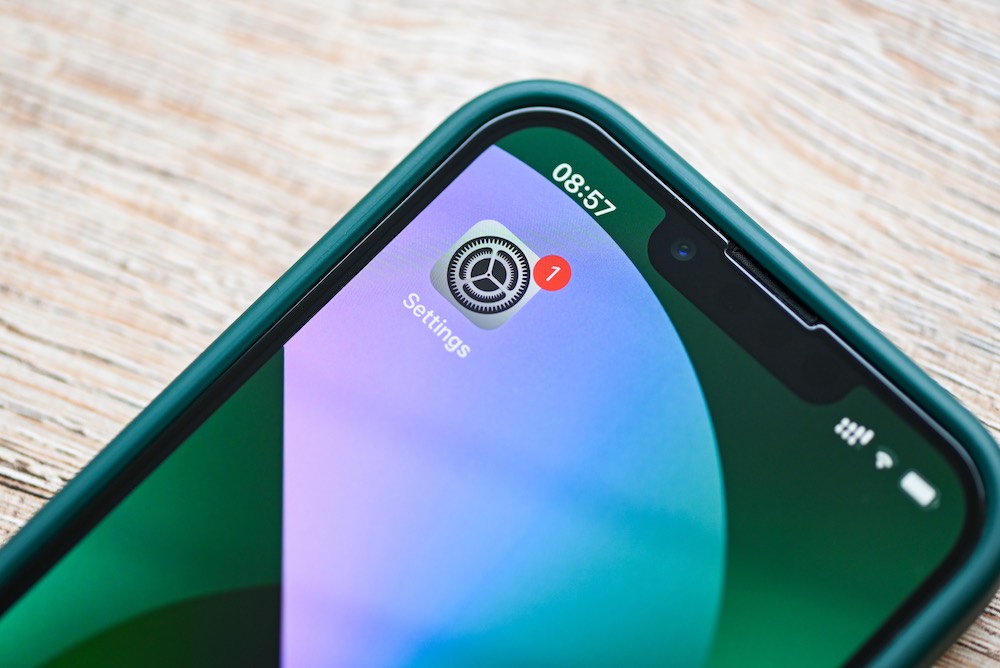
One of the clearest signs it’s time to upgrade is when your iPhone doesn’t support the newest iOS updates. Granted, that doesn’t mean you should go now and buy a new iPhone. But once that happens, you’re no longer part of everything that Apple has planned for the future. You miss new features right away, and over time, you also end up farther from the experience Apple is actively supporting and optimizing for.
Again, that doesn’t always mean your phone becomes useless overnight. Apple typically continues releasing security updates for older iPhones on older versions of iOS. But that’s still not the same thing as being able to enjoy the newer features.
2. Your Battery Health Is Significantly Degraded
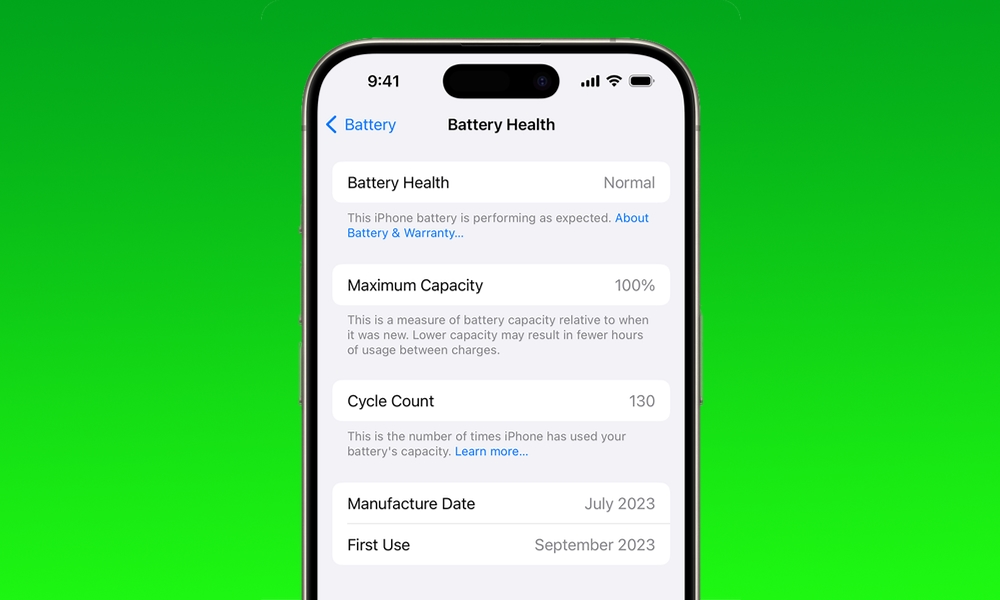
Battery aging is one of the most common reasons an iPhone starts feeling worse, even if the processor itself still has life left in it. Apple now makes this easier to spot than it used to. You just need to go to Settings > Battery > Battery Health.
If your battery health is significantly degraded, your iPhone will let you know. And once that message appears, it’s usually worth taking seriously instead of pretending the problem will stay small.
A worn battery changes more than just how long the iPhone lasts. It can affect performance, it may cause the device to turn off at random, and it may affect the overall feel of the device.
Of course, if your battery is really bad, you can consider getting a replacement. There’s nothing wrong with that if that’s the only issue. But if you combine the battery problems with other things on the list, it might make more sense to take the plunge and get a new iPhone.
3. Performance Is Starting to Feel Inconsistent
Your iPhone doesn’t have to be unusably slow to be annoying. When you get used to snappy animations and a quick response to all your inputs, even the slightest drop in performance is more than noticeable.
For instance, your apps may take longer to open than they used to, the camera hesitates when you need it quickly, or scrolling stutters in places where it used to feel smooth.
This can happen for several reasons. As we mentioned, an aging battery can affect how your iPhone performs, but having too much storage used up, or too many apps opened at once, can also affect your device, especially if it’s older.
Of course, there are things you can (and probably should) do to keep your iPhone’s performance as fast as possible. But when the lag starts showing up in the things you do constantly, you should at least take notice that your iPhone is starting to fall behind.
4. You’re Running Out of Storage All the Time
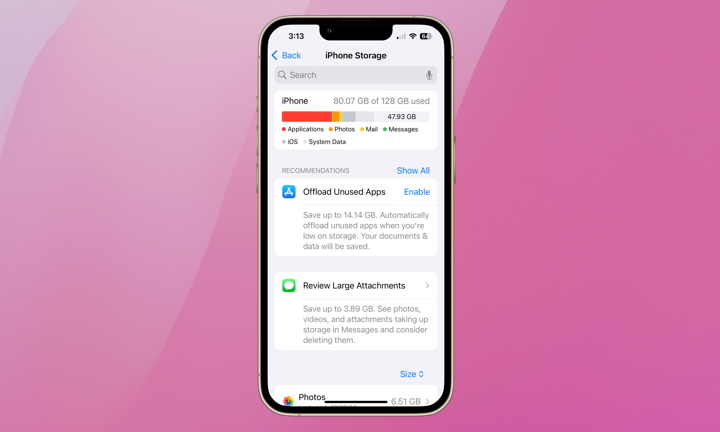
Storage pressure makes an iPhone feel older faster than a lot of people expect. If you’re constantly deleting photos, videos, and apps, you’re already fighting with your iPhone every day just so you can use it.
And if you’ve been in that situation before, you know that, once storage gets tight enough, many issues start to pop up.
Suddenly, updates become more annoying, and managing all your stuff becomes more stressful. You start thinking about what you can’t keep instead of just using your iPhone normally.
Of course, full storage doesn’t automatically mean your iPhone is dead. But it’s often a sign that your current storage capacity no longer matches your real-life needs. If your iPhone always feels full no matter how often you clean it, you might need to make an upgrade. Newer iPhones now come with more storage from the get-go, so it would definitely feel like a worthy investment.
5. Your Camera No Longer Feels Good Enough
For many people, the camera is one of the biggest reasons to own an iPhone at all. Apple knows this, which is why, even when the newer iPhone doesn’t really have anything new, the cameras always get a spec bump.
So if your current camera no longer feels good enough for capturing the moments you care about, that’s not a shallow reason to want an upgrade, especially if you take photography very seriously.
Maybe your photos are still fine outdoors, but low-light shots fall apart too easily. Or maybe you keep wishing for better zoom. Whatever the reason is, chances are the newer iPhone cameras are better at the job than your current model.
This doesn’t mean everyone needs to chase the newest camera system every year. Most people absolutely don’t. But if you’ve reached the point where the phone is regularly failing to capture what you want in the way you want it, then upgrading makes a lot more sense.
6. Repair Costs Are Starting to Feel Too Hard to Justify
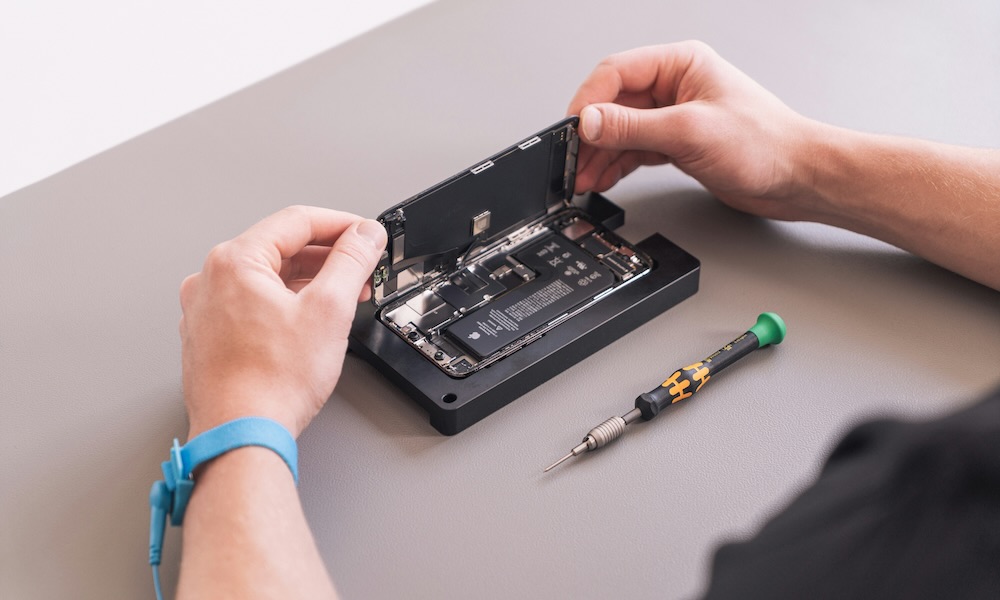
There’s a point where repairing your iPhone stops feeling like the smart, practical move and starts feeling like delaying the obvious. Maybe your battery is worn, the display is damaged, or there’s another issue you think you can fix instead of upgrading.
Of course, repairs can make sense on the right iPhone and at the right time, but that depends on what else is going on with the device. If you have multiple hardware issues, and fixing them won’t solve other software issues, is it really worth it?
If your iPhone is already on the way out of full software support, struggling with battery life, and feeling a little slow, spending more money on it becomes a bad investment. A repair is easier to justify when the rest of your iPhone still feels strong. If that’s not the case, just stop spending money on repairs and save it for a new iPhone.
7. Your Daily Apps No Longer Work the Right Way
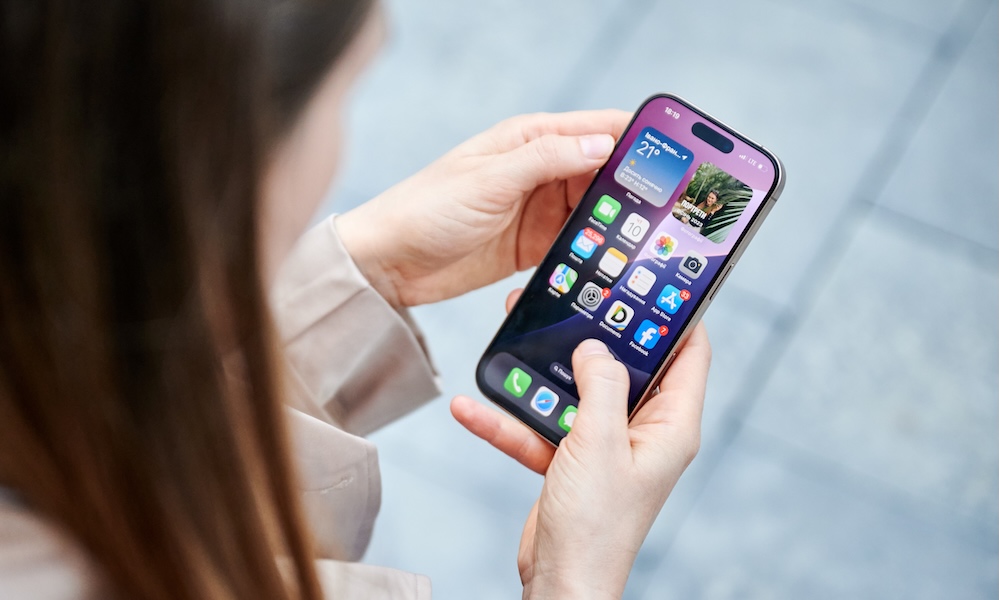
An iPhone can be technically functional and still feel behind in the things that matter. Maybe you can still use your banking apps, but they take longer than you’d like. Or maybe your iPhone doesn’t support a new feature on your favorite app because it’s too old. Or worse, your iPhone can update an app and use its new features on paper, but it only freezes every time you try it.
When that happens, it doesn’t really matter whether the chip is still decent on paper if the apps you use feel stuck, laggy, or mildly frustrating every day. Once the phone starts getting in the way of your normal, everyday use, then you might be better off going for a new model.
8. The ‘Buy It Again’ Test
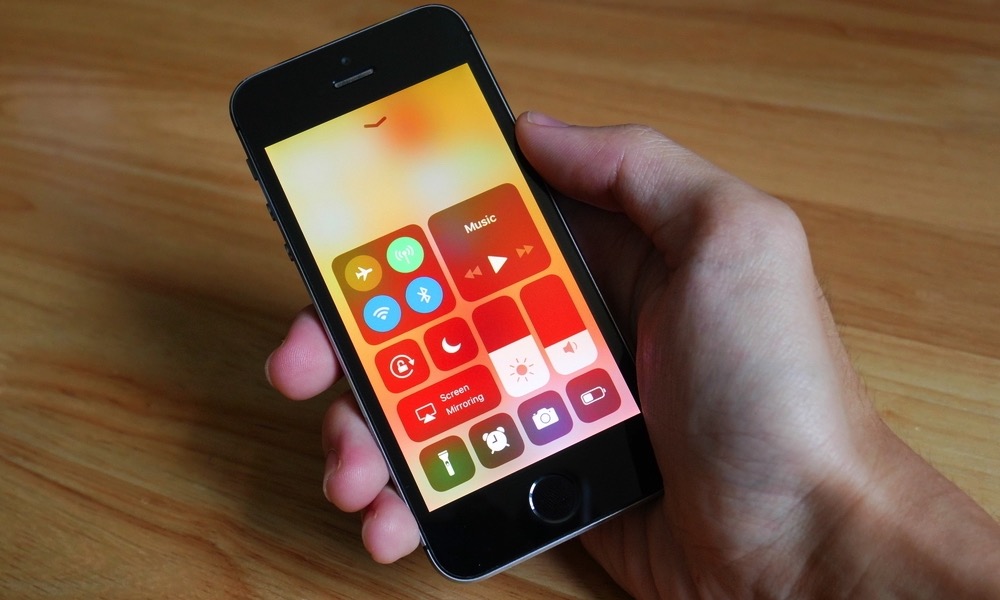
This is one of the clearest ways to see if your iPhone isn’t what you need anymore. Picture this: you’re shopping right now. You don’t have the money to buy the newest iPhone, so you want to buy an older model.
If the store only had your current iPhone and you know you wouldn’t choose it because the compromises are too obvious, that says a lot. Maybe the battery life isn’t strong enough anymore, the camera feels too limited, or maybe the iPhone is too old to support new features. Maybe all of those things are true at once.
Instead of asking whether your iPhone still technically works, you’re asking whether it still feels like a smart buy in today’s world. If your honest answer is no, that usually tells you what you need to know.
Is It Time to Upgrade?
Most people don’t need to upgrade their iPhone every year. In many cases, they don’t even need to upgrade every two or three years. But there comes a point when maybe you become too attached to your current iPhone, and instead of looking for reasons to upgrade, you look for reasons to keep your old model.
While there’s nothing wrong with keeping your current iPhone for a little longer than you probably should, if your device is giving you more issues than solutions, you’re not really enjoying the experience you bought the iPhone for.
Once several signs are showing up together, you know it’s time to consider getting a new iPhone. So save some money and take the plunge.