Apple’s ‘March Madness’ May Become Just as Predictable as Its Fall Events

Toggle Dark Mode
The February and March product launches we’ve seen over the past few years are expected to settle into a regular event that heralds a new trifecta of “Air” products, Apple’s non-flagship iPhone models, and more.
While there have been multiple reports of the iPhone 18 being delayed into early 2027, likely arriving alongside the iPhone 18e, it was never entirely clear if these would launch in March (the iPhone 16e was a February launch, and the M2 iPad Air came in May). However, that still seems like the most logical time based on what we’ve seen recently — and Bloomberg’s Mark Gurman has a few more insider details that seemingly support this timeline.

In this week’s Power On newsletter, Gurman says Apple’s “budget-minded products” — the iPhone 18e, a new MacBook Neo, and the long-awaited base iPad update — are expected to come “during the iOS 27.4 cycle, which runs between February and March,” alongside the iPhone 18 and M6 MacBook Air.

Early 2024 became the start of a new trend for Apple’s MacBook Air when it brought the M3-powered models out in March. While those were a solitary release that month, Apple followed that up in May with an impossibly thin, OLED-equipped M4 iPad Pro and an M2 iPad Air in both 11-inch and 13-inch sizes, breaking an 18-month dearth of new iPad releases.
By early 2025, Apple had a lot more to show off, leading with the new budget iPhone 16e on February 19, followed by the M4 MacBook Air, M3 iPad Air, and 11th-generation iPad with an A16 chip, all during the first week of March. On the non-consumer end of the spectrum, it also updated the Mac Studio in M4 Max and M3 Ultra configurations.
Then, Apple raised the stakes for its own version of March Madness to a whole new level earlier this year, with a flurry of new products released over the course of three days: the iPhone 17e and M4 iPad Air kicked off the run on Monday, March 2, whetting our appetites for the M5 MacBook Air, M5 Pro/Max MacBook Pro models, and two new Studio Displays on Tuesday. However, these were all just the appetizers for Wednesday’s main course: the MacBook Neo.
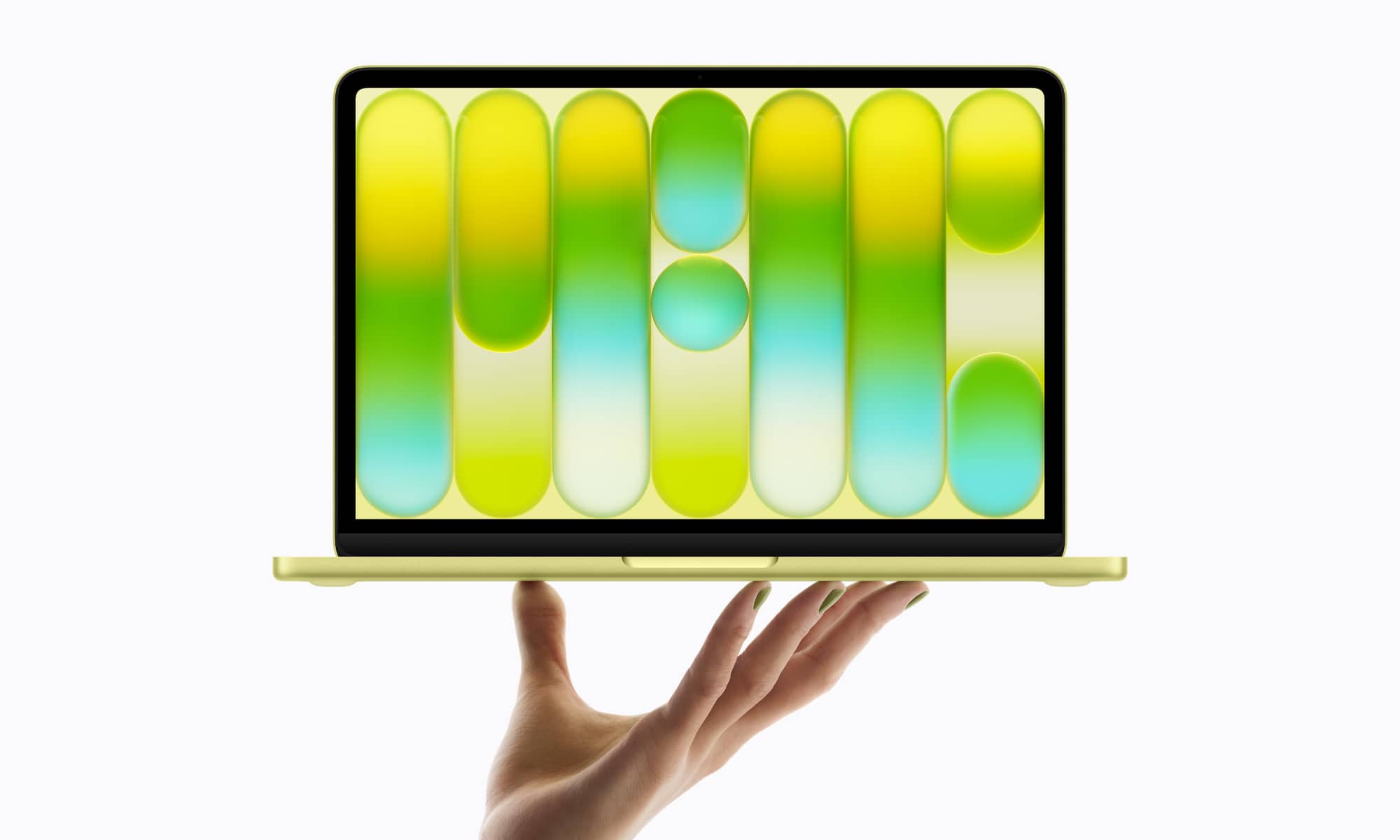
While some of these were likely one-offs — we’re hardly going to see new Studio Displays every year, and the MacBook Pro models were reportedly delayed from what should have been a fall 2025 launch — Apple is still settling into a clear groove here, and it’s likely to add at least two more products into the mix.
Rumors began circulating last year that Apple was planning to split up its iPhone launches more definitively by giving the new e-series models some company. The iPhone 18 was long expected to arrive in early 2027, with the September 2026 iPhone event devoted to the iPhone 18 Pro, iPhone 18 Pro Max, and Apple’s new foldable, the iPhone Duo.
The September part of those reports was clearly accurate, and it’s not like Apple is going to skip the iPhone 18 entirely, which makes a March launch all but a certainty. However, it appears that new MacBook Air and iPad Air releases will now be joined by Apple’s third “Air” product: the so-called “iPhone Air 2.”

This suggests we’re moving into a March lineup that could be every bit as predictable as the past 15 years of fall events.
Following four years of iPhone launches in the late spring and early summer — the original iPhone was unveiled in January 2007 but didn’t go on sale until June 29, while the next three models debuted during Apple’s annual Worldwide Developers Conference (WWDC) keynotes — Apple permanently shifted to a fall launch schedule.
That was early October for the iPhone 4S in 2011, but by 2012 it had settled into September events, and you could almost mark the precise date on your calendar each year. The only exception was in 2020, when pandemic-related delays forced Apple’s iPhone event to shift into October, though even then, that year’s new Apple Watch models debuted at a separate September event.
Now, it appears that September will be given over to Apple’s flagship iPhone models — the Pro and Duo lineups — while March will be about its budget and mid-tier devices. The annual March stages have already been set for the MacBook Air and iPad Air, and it makes perfect sense for the MacBook Neo and non-flagship iPhone models to join them.
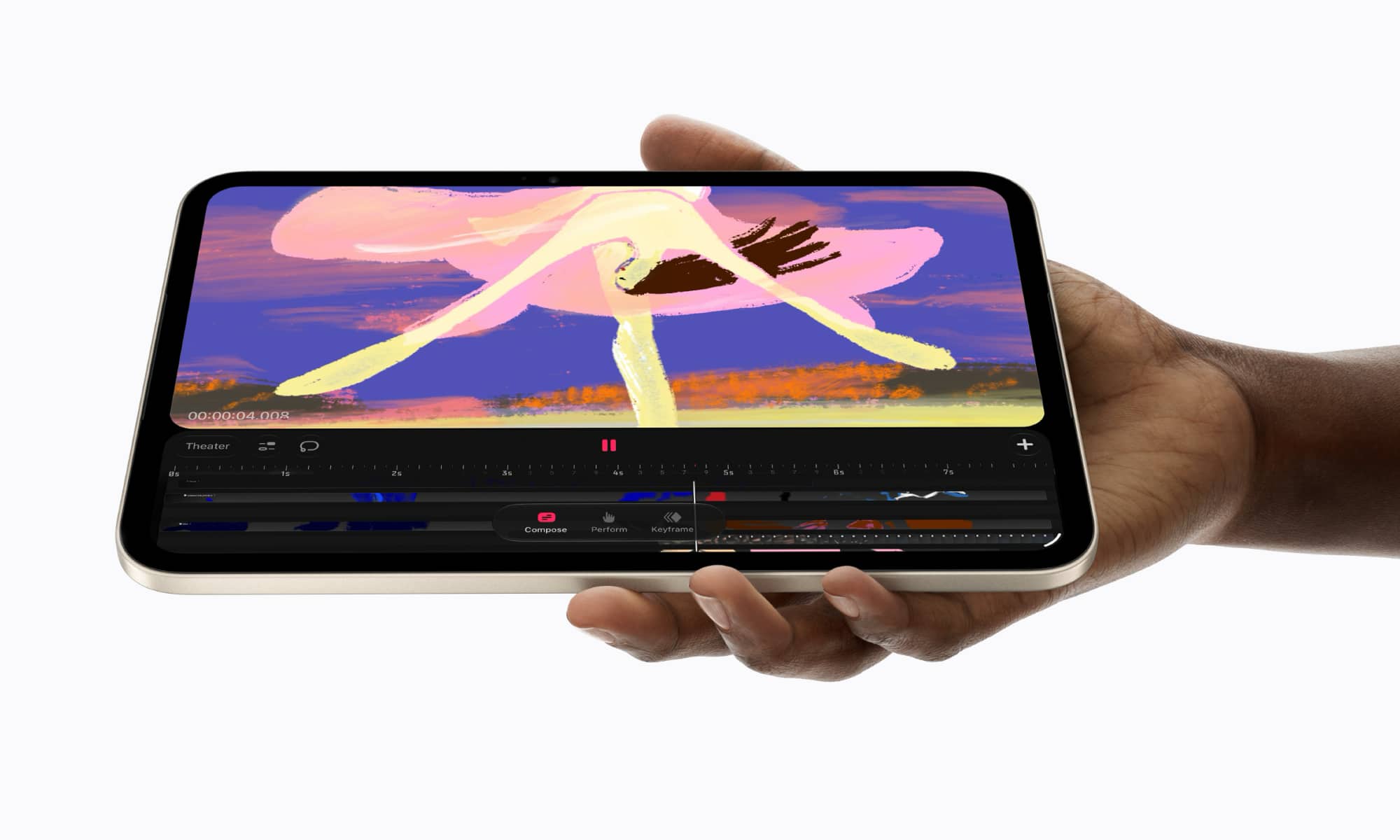
Gurman does note that the M5 iPad Air, which is expected to be the next to move to OLED following last month’s iPad mini (A20 Pro), is “a little bit behind the lower-end fare,” as is the second-generation iPhone Air. There’s also a new M6 iPad Pro expected to show up somewhere along the way.
However, it’s an open question whether Apple will delay some or all of those announcements or simply push the preorder dates back into late March or early April, as it did with the iPhone Duo this year.
While Gurman suggests Apple might split up the launches entirely into “multiple moments” like it did with the iPhone, smart home products, and Macs across September and October, it’s also important to remember that each of those had a massive “tentpole” product to anchor them: the iPhone Duo, the HomeView, and the MacBook Pro with PROLED XDR Display.
By all accounts, the early 2027 releases will be considerably more iterative, and while Apple could have something else up its sleeve, it’s hard to imagine an OLED iPad Air or a new MacBook Neo being enough to anchor an “Apple Experience” boutique event by themselves. With only minor refreshes on tap so far, Apple could just as easily go for a single March event, or even follow this year’s March playbook, unveiling each of the new products in clusters over the course of three days.
[The information provided in this article has NOT been confirmed by Apple and may be speculation. Provided details may not be factual. Take all rumors, tech or otherwise, with a grain of salt.]