AirTag Stalking Victim Sues Apple Over Failed Safety Alerts
 Steve Heap / Shutterstock
Toggle Dark Mode
An Oregon woman who was stalked by a former partner via a hidden AirTag is now suing Apple, claiming that the company’s anti-stalking safeguards failed to warn her that she was being tracked.
While Apple’s AirTag trackers are convenient to track items like luggage and equipment, they’ve unfortunately also been used for nefarious purposes like stalking. Many have found AirTags make it almost too easy for stalkers to track their targets around the clock.

In this new lawsuit, an Oregon woman, identified as “Jane Doe” to protect her anonymity, has accused Apple of failing to properly protect victims, despite its built-in safeguards. She filed the lawsuit in the US District Court for the District of Oregon in Medford last week. The plaintiff says Apple was negligent, due to the AirTag’s built-in protections not alerting her that she was being tracked, reports KOIN 6 News.
A former partner had hidden an AirTag under her vehicle, using it to track the woman on multiple occasions. The stalker also reportedly issued verbal and written threats to the woman, while also damaging her property.
The stalker was later charged with stalking using a GPS device, resulting in a restraining order being issued against him.
Now, the victim has set her sights on Apple, suing the company for $75,000. The victim’s lawsuit claims she never received a notification from Apple that there was an unknown AirTag traveling with her in her vehicle. The victim claims that since she owns an iPhone, the notification should have come through with no problem.
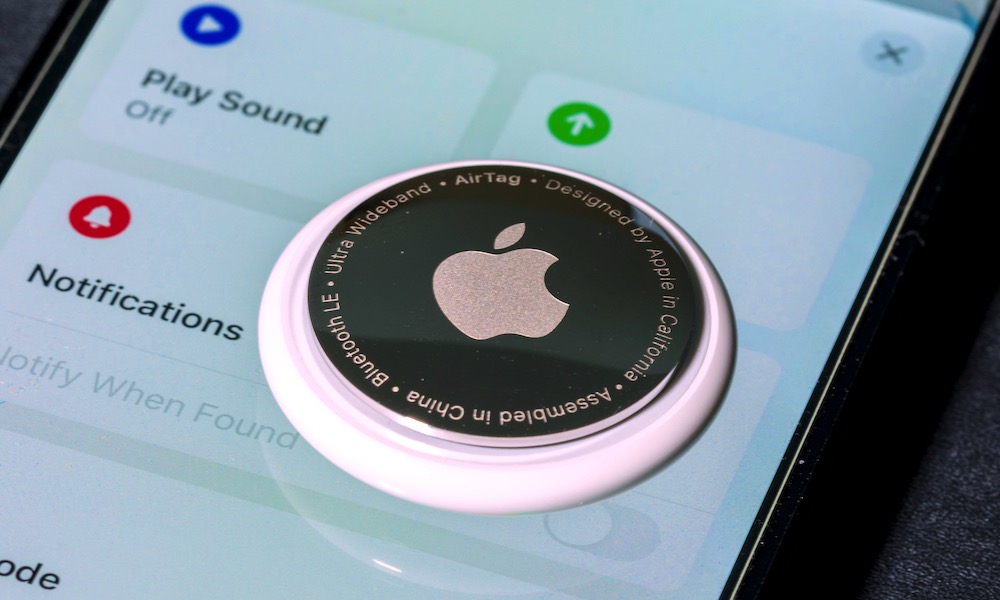
Early in the AirTag’s life, Apple implemented multiple safeguards to prevent the small coin-shaped tracking device from being used for stalking and other malicious purposes. The feature the woman says let her down is one that alerts users to any unknown AirTag that has been moving with them for a prolonged amount of time without also being near the AirTag’s true owner.
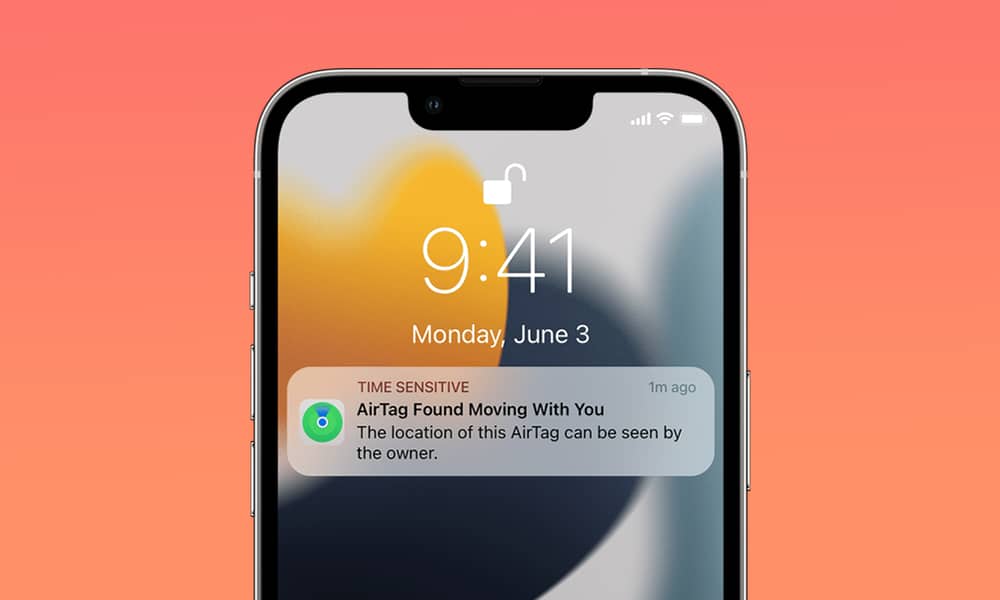
Apple and Google even worked together to expand the system, and since 2024, both iOS and Android devices have offered alerts for the presence of not just AirTags, but other unknown Bluetooth tracking devices.
When an AirTag is detected, an iPhone user can view the tracker’s identifier, play a sound on the tracker to help locate it, and even access instructions on how to disable it.
The Apple AirTag will also begin to occasionally chirp after it has been apart from its owner for several hours, alerting potential victims to the location of the AirTag, even if they don’t have a smartphone on hand.
An April 2026 firmware update for the second-generation AirTag updated the sound functionality in an effort to make it even easier to locate a tag. Even so, it can be difficult to hear the sound when an AirTag is planted somewhere on a vehicle.
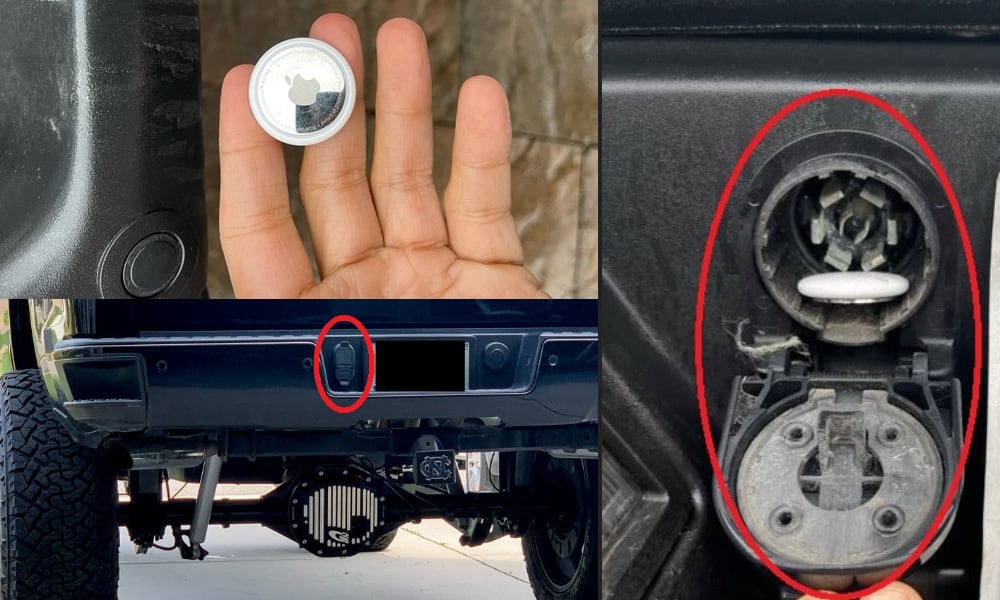
There have been several incidents over the last few years that involved a stalker using an AirTag to facilitate their unwanted attention.
In December 2025, a pair of Colombian national brothers were arrested for their multi-state theft operation that involved using AirTags attached to cars to follow their victims home and steal from them there. Juan Sebastian Moyano, 20, and his brother, Juan Camilo Moyano, 18, targeted Asian business owners. The pair face burglary charges in Flagler County.
In August 2026, a Carroll, Iowa, man was charged with stalking after he allegedly secreted an AirTag on the vehicle of a Coon Rapids woman who had obtained a no-contact order against him. 24-year-old Jacob Robert Blum was charged with stalking, a Class C Felony, and for violating a no-contact order.
Also, this lawsuit is certainly not the first time Apple has been sued by victims of AirTag tracking.
A 2022 class-action lawsuit claimed Apple’s anti-stalking measures were inadequate to block unlawful tracking, alleging AirTags were responsible for “multiple murders.” While a judge agreed to let the lawsuit proceed in 2024, it lost its class-action certification in March 2026, requiring the plaintiffs to refile the suit in May 2026.
An August lawsuit, filed by a pair of Detroit women, claimed that former partners were tracking them with the small accessory, and that Apple’s alert system failed to warn them.