Is Apple Upgrade Worth It? Do the Math Before You Decide
 Shahid Jamil / Adobe Stock
Toggle Dark Mode
Apple launched its new Apple Upgrade program last month. It replaces the original iPhone Upgrade Program and extends the offering to multiple devices, not just the iPhone. Existing iPhone Upgrade Program members will be able to finish their current payment plans, but new enrollments are closed.
The iPhone Upgrade Program divided the iPhone’s total cost over 24 monthly payments with 0 percent interest. That was after a hard credit check. At the end of the two-year term, the device was fully paid off and the phone was yours.
Essentially, it functioned as a loan. Beyond interest-free financing, this program’s main perk was that it allowed customers to upgrade to the newest model iPhone after one year and waived the remaining 12 payments, starting the two-year term over again. AppleCare+ was also baked in with the monthly payment.

The new Apple Upgrade program works differently. There’s a soft credit inquiry, not a hard credit check (hard checks impact your credit score). The program is a lease rather than a loan. Apple Upgrade offers 12- and 24-month leasing options for the iPhone and Apple Watch, and 24- and 36-month leasing options for Macs and iPads.
At the end of the selected lease period, you must turn in your device to an Apple Store or ship it back to Apple. If you upgrade early, you’ll be responsible for the remaining payments. If you don’t return your device at the end of the lease period, you’ll be charged a month-to-month fee for up to six months. The digital repo man won’t come knocking, but this fee may be higher than your monthly payments during the lease period. If you still don’t turn in your device after those six months, you’ll be charged a purchase fee. Once paid, you’ll own the device. Oh, and AppleCare+ isn’t included, but costs extra. If you don’t turn in your device in working condition, expect to pay.
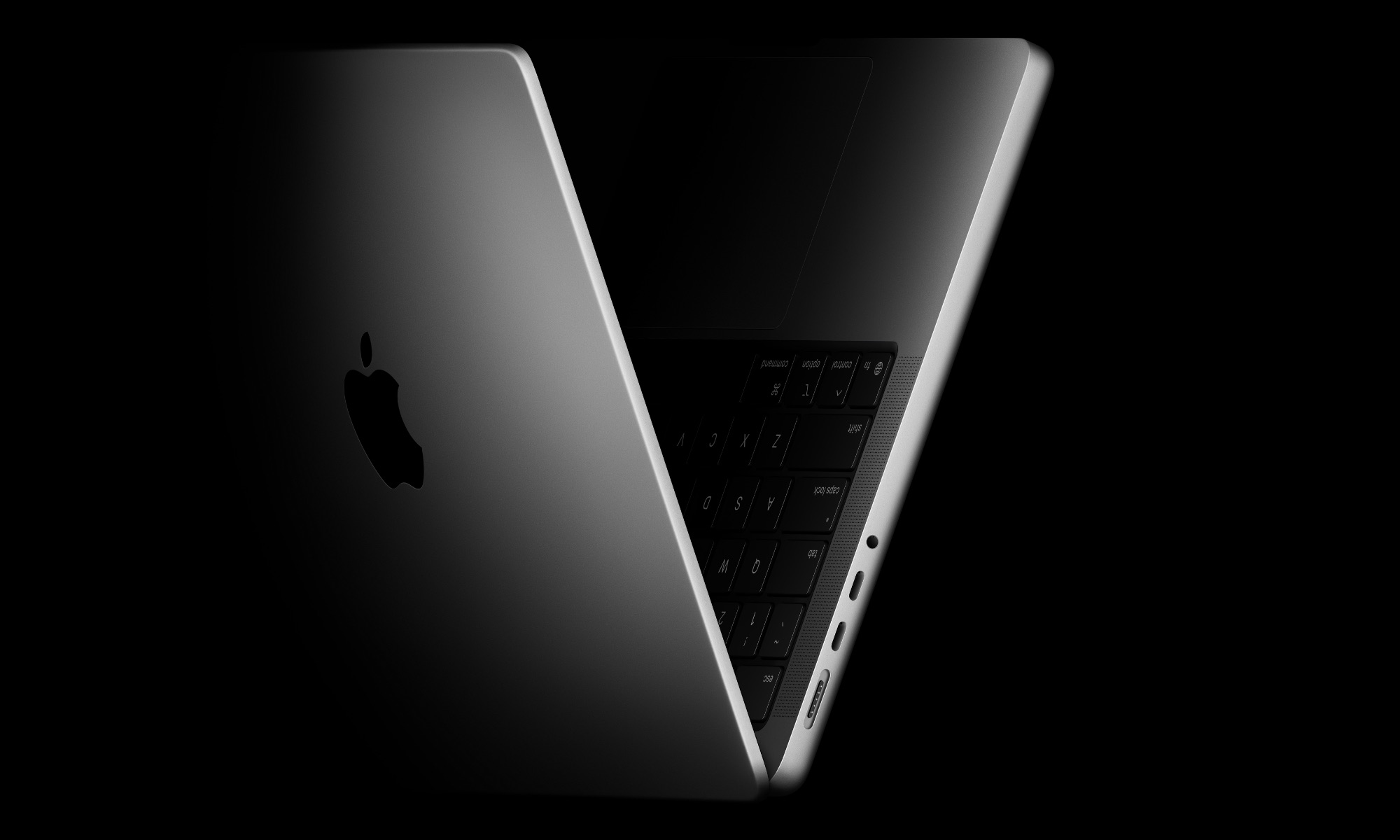
Let’s do a little bit of math just for fun to see how the numbers shake out. The 14-inch MacBook Pro with the M5 chip, standard display, 16GB unified memory, and a 1TB SSD is $1,999. Let’s call it $2,140 assuming about 7% sales tax if you purchase up front. Under Apple Upgrade, you can select a 24-month lease at $53.99/month ($1,295.76 total lease payments) or a 36-month lease at $38.99/month ($1,403.64 total payments) excluding taxes (and trade-in credit if applicable). Adding AppleCare+ is another $10.49/month.
The purchase fee option would be the device’s retail value plus tax, minus the total lease payments. In the example above, you’d owe about $700 plus tax to purchase the MacBook Pro at the end of a 24-month lease term, and around $600 after a 36 month term (not including tax).
While the program definitely makes Apple’s top-of-the-line products more accessible, consumers should remember it’s still debt and buy-now, pay-later. No matter your financial situation, crunch the numbers before making a commitment. You’d also be wise to account for private resale opportunities that exist when purchasing the device outright. Apple Card holders can finance the MacBook Pro interest free for $166.58/month (plus tax) for 12 months. Yes, it’s considerably more than either monthly payment option under Apple Upgrade, but you own the device and have the flexibility to sell or trade if needed.
We know Apple is fighting to secure lower RAM prices, meet demand, and maintain more modest price increases for customers. This new Apple Upgrade program may be a great fit for some. At the same time, it does blur the line between affordability and boosting sales. Its budget-focused products like the MacBook Neo, Mac mini, and base iPad are excluded from the program. If Apple Upgrade was truly designed with the consumer in mind, why weren’t these entry-level products included?