Everything’s Bigger in Texas — Including App Store Age Rules

Toggle Dark Mode
Despite Apple’s opposition, Texas has forged ahead with a new state law requiring age verification for app marketplaces — and it goes into effect today.
Technically, bill SB2420, known as the “App Store Accountability Act,” was originally slated to take effect on January 1, 2026. However, federal Judge Robert Pitman blocked the requirement of mobile app stores to comply on that date, issuing a preliminary injunction in which he called the Act “akin to a law that would require every bookstore to verify the age of every customer at the door.”
That’s essentially the same point that Apple has tried to make in opposing age verification laws, insisting that age-gating is the responsibility of individual developers. “After all, we ask merchants who sell alcohol in a mall to verify a buyer’s age by checking IDs,” the company said in a statement last year. “We don’t ask everyone to turn their date of birth over to the mall if they just want to go to the food court.”
Nevertheless, Texas appealed the injunction, and last week, the Fifth Circuit Court of Appeals granted the state’s request to stay the original order and move forward with implementing the App Store Accountability Act while the case works its way through the courts.

The result is that, as of today, Apple will require users in Texas to verify their ages on the App Store when creating a new Apple Account. Users under the age of 18 will also be prohibited from creating a new Apple Account without being part of a Family Sharing group, and will require explicit parental consent for every App Store download, app purchase, or in-app transaction.
Apple has offered an “Ask to Buy” feature as part of Family Sharing for years, but it’s traditionally been optional for teens. The new law in Texas will effectively force it on for all users under the age of 18. However, Apple is also offering a new feature to comply with SB2420 and similar age-verification laws popping up in other states and countries, where parents will be able to “revoke consent” and remotely pull an app from a minor’s device at any time.
We can imagine quite a few teens will be unimpressed with these changes, and SB2420 appears to make no exceptions for 17-year-olds who aren’t living at home anymore. However, while a Family Sharing group organizer will have to be over 18, there’s no indication they have to prove they’re a legal parent or guardian of a minor — they’re only required to self-attest that they possess the necessary legal authority to act on the minor’s behalf.
One silver lining for adults is that Apple is only required to use “commercially reasonable methods to identify an individual’s age,” which means a credit card should suffice in many cases, and Apple should only need to ask for a user’s government-issued photo ID as a fallback.
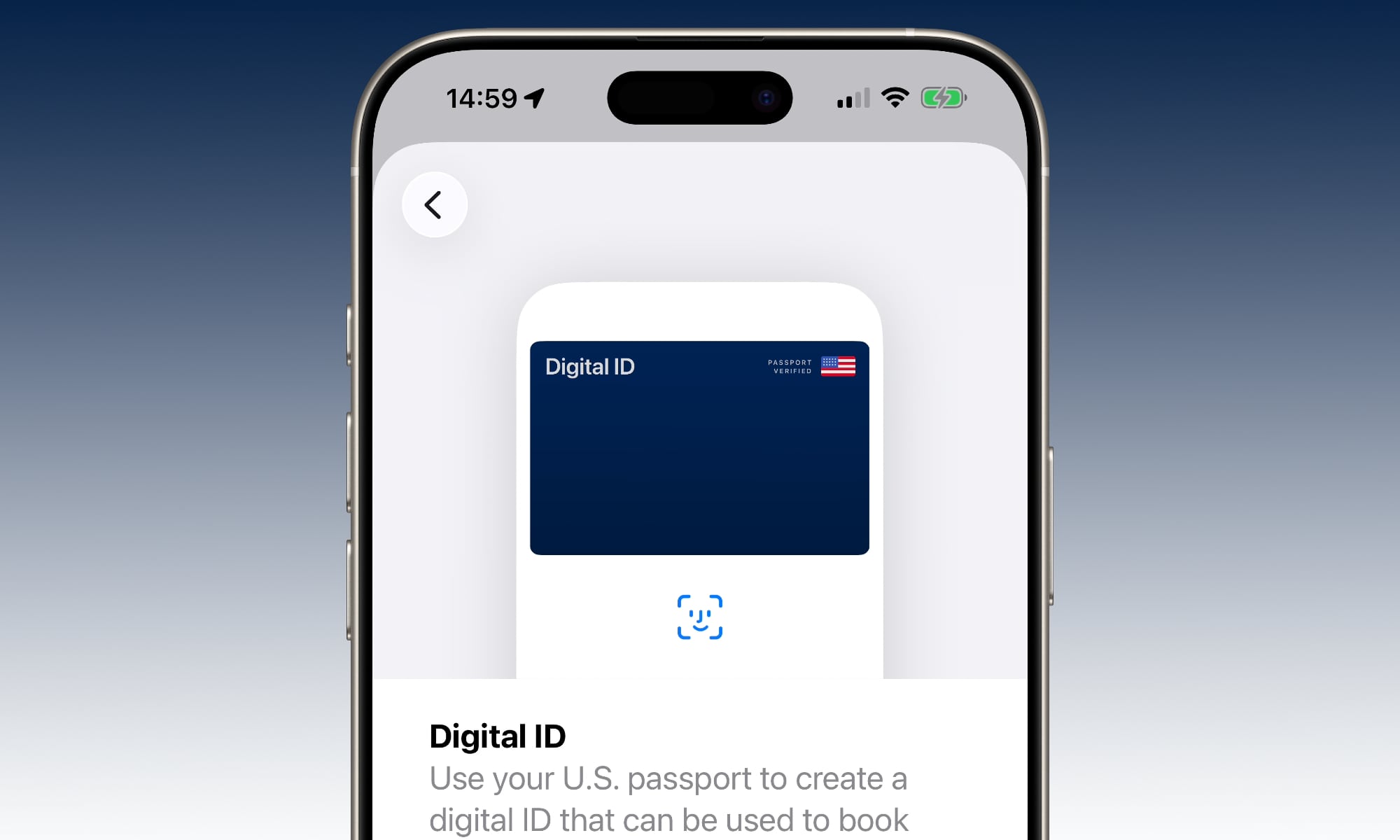
This is one area where Apple’s new Digital ID will especially come in handy. While Texas hasn’t yet joined Apple’s digital driver’s license initiative, a Digital ID can be created by anyone with an iPhone running iOS 26 or later and a US passport. Once verified, this Digital ID can be used for age verification in the App Store without having to submit a scan of your driver’s license or physical passport to Apple — which would rather avoid storing this information anyway.
Apple has been preparing for these changes for some time. Last year, it introduced a “Declared Age Range API” that allows developers to query an Apple Account for its general age range without exposing the user’s date or even year of birth. Since apps with age ratings never need to know a user’s specific age, this allows for proper enforcement while still respecting privacy.
There’s also a Significant Change API that developers can use when an app requires parents to consent to new terms and conditions on behalf of their child, effectively blocking the app update from being installed or used until that consent has been granted.
Apple outlined these changes yesterday in a post for developers, announcing that SB2420 is now in effect, and reminding them that they’ll need to implement these APIs to meet their compliance obligations under the new law.