New Leak Reveals Radical Thermal Design for the ‘iPhone Fold’
Toggle Dark Mode
Apple is widely expected to unveil its first foldable iPhone in September, and while the jury is still out on what the company will actually call it, a solid consensus has formed on what we can expect from the hardware itself.
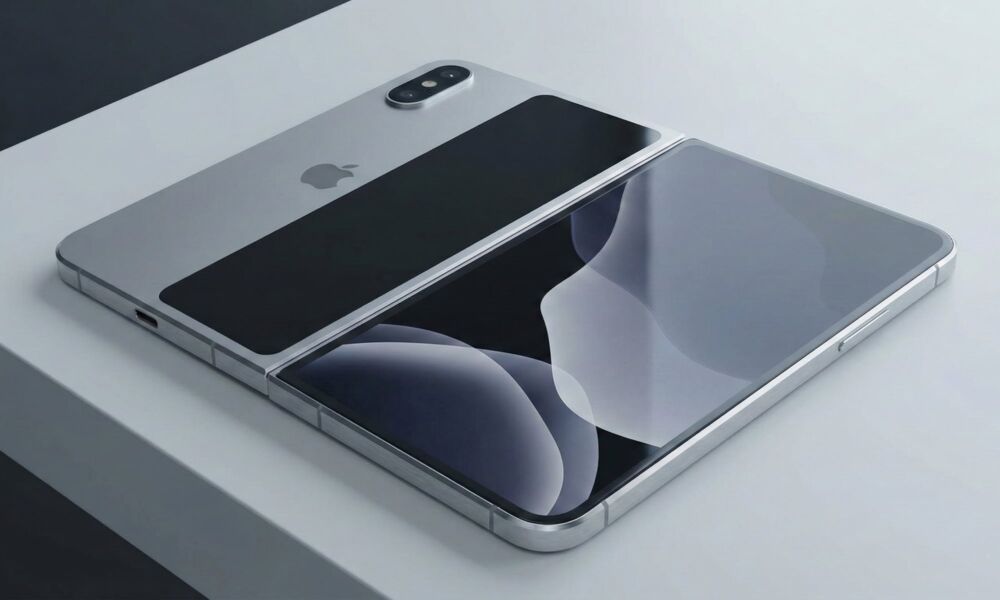
After years of back-and-forth on whether Apple was going to produce a book-style foldable or a clamshell “iPhone Flip,” the reports gelled in late 2024 into something akin to Samsung’s Galaxy Z Fold. Since then, leakers and analysts have been zeroing in on everything from the dimensions to the screen technology — with recent leaks even floating the moniker “iPhone Ultra” — painting us a picture of a device that will have the style and aspect ratio of a passport and function like a foldable iPad mini.

By all accounts, Apple has achieved its design goals of a nearly crease-free screen and durable hinge technology, although some reports suggest it’s had some struggles in getting all this ramped up for mass production. However, even the direst reports insist these won’t hold the device back from its planned September unveiling. Availability might be another story, but there’s every reason to believe Apple wants to show it off as soon as possible.
So, it’s not too surprising that we’re starting to hear more than just the macro-level rumors of the past few months. Leakers have begun sharing everything from alleged photos and dummy molds to finer details on both mass production processes and the types of materials and engineering that are going into the foldable, and two reports this week offer some insight into how Apple plans to ensure the “iPhone Fold” keeps its cool — both literally and figuratively.
Vapor Chamber Cooling
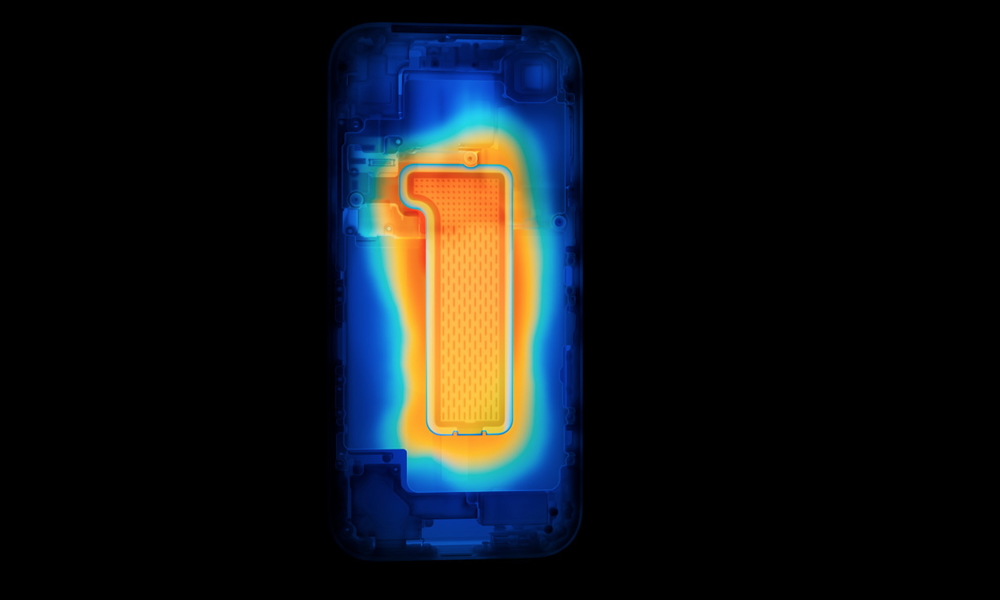
Last year, Apple brought vapor chamber cooling to its iPhone lineup for the first time with the iPhone 17 Pro and iPhone 17 Pro Max. While the technology was far from new — elite gaming phones like Asus’ ROG Phone and Nubia’s Red Magic debuted it years ago to keep up with the demands of mobile gaming — Apple’s design was optimized for its own A19 Pro chips and new aluminum unibody design.
On the surface, it may not seem all that surprising that Apple would introduce the same technology to its first flagship foldable, until you consider that this device is also supposed to be remarkably thin. In fact, some reports say that it could be as svelte as 4.5 mm when folded open. That doesn’t leave a lot of room to pack extra tech inside, and Apple is already reportedly sacrificing things like Face ID to account for that.
Nevertheless, Weibo-based leaker Fixed Focus Digital shared this week that the foldable iPhone will use a vapor chamber for “impressive” heat dissipation performance.
That might be even more critical, since Apple is expected to use a combination of aluminum and titanium in the new device, rather than the pure aluminum design of the iPhone 17 Pro — a material many believe the company picked to address overheating issues with the prior titanium models.
Still, it’s the first we’ve heard of a vapor chamber on Apple’s foldable, and Fixed Focus Digital has a mixed track record for accuracy, so we’d recommend taking this one with a grain of salt until we hear more.
A Liquid Metal Hinge

Fixed Focus Digital has also chimed in with apparent confirmation of Apple’s plans to use liquid metal in the hinge for its foldable iPhone, while emphasizing that the device’s development is progressing so well that Apple has already sent out prototypes to global carriers for testing.
Reports on Apple’s potential use of liquid metal for the “iPhone Fold” have been circulating since last year when analyst Ming-Chi Kuo said Apple would use the material for “key components” of the device, but even that notion wasn’t entirely new, as Apple’s work with liquid metal goes back much, much further.
A 2016 patent hinted at the possibility of a futuristic liquid metal home button, and some speculated the iPhone 8 could use the material. However, those were just the culmination of an exclusive multi-million-dollar deal in 2010 with a company known as Liquidmetal Technologies to use its alloys in consumer electronics.
Apple never did much with the technology, as it proved difficult to work with at scale. While liquid metal had been used in other applications such as sports gear, Apple itself has never deployed the alloy for anything other than the SIM ejector tool that still comes in every iPhone box.
Ironically, a folding iPhone was one of the first use cases that came to mind when news broke of Apple’s exclusive deal in 2010. While some of those early ideas were a bit of a stretch, at more than twice the strength of titanium, resistance to corrosion, and remarkable elasticity, it seems like an ideal fit for the hinge on the iPhone Fold — assuming Apple can make it work.
[The information provided in this article has NOT been confirmed by Apple and may be speculation. Provided details may not be factual. Take all rumors, tech or otherwise, with a grain of salt.]