Samsung Says It Welcomes Apple to the Foldable Market (But Should It?)
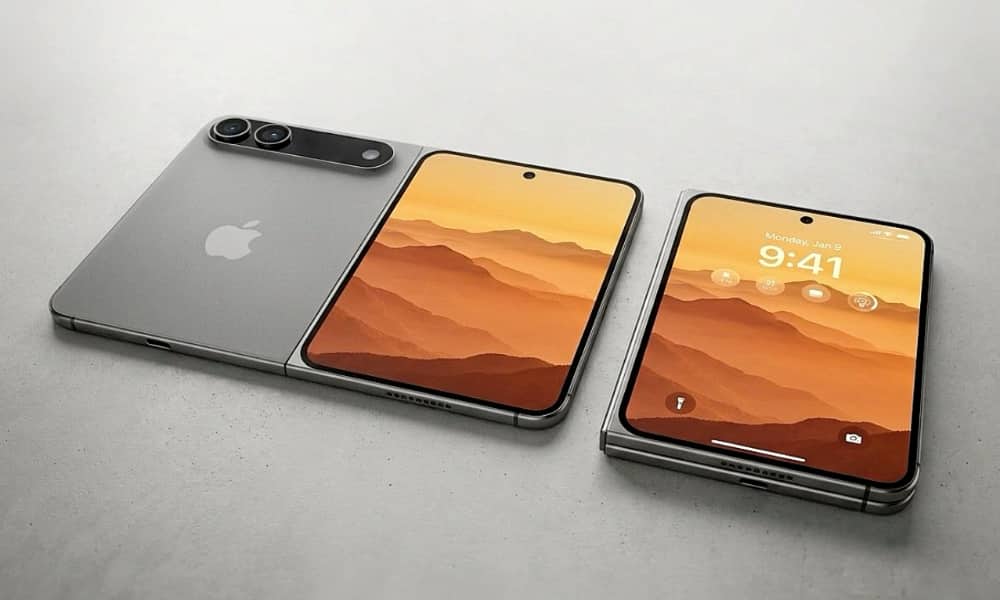 'iPhone Fold' Concept Image [Demon's Tech / YouTube]
Toggle Dark Mode
Samsung launched the original Galaxy Fold in 2019, and while global foldable smartphone market share grew by 14% year over year in Q3 2025, these premium folding phones still represent only 3% of the global smartphone market, led by the current Galaxy Z Fold7.
The rumored launch of Apple’s first foldable iPhone — which various leaks have dubbed the “iPhone Fold” or “iPhone Ultra” — is expected to grow this niche market by an additional 20%. Whatever it’s ultimately called, Apple is expected to release the new foldable model alongside the iPhone 18 this September as the first major product announcement under new CEO John Ternus, who takes the reins September 1.
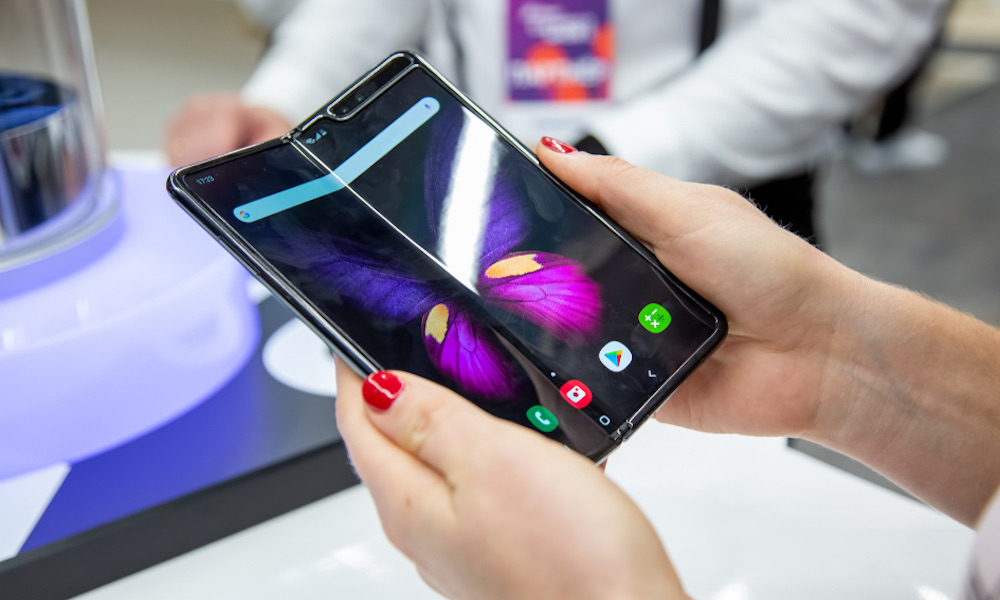
How does Samsung view Apple’s likely entry into the foldable market? While preparing for Samsung’s Galaxy Unpacked event earlier this year, TechRadar‘s phones editor, Axel Metz, came across a rare example of Samsung directly addressing its competition. In a 2025 interview with Bloomberg‘s Shery Ahn, President and COO of Samsung’s Mobile eXperience division, Won-joon Choi, commented on Apple’s likely upcoming splash into the segment directly.
…rather than focusing on the competition, I think we have been focusing on our consumers. What is the experience that we can bring to consumers, and how complete are those experiences? I think healthy competition with other companies will bring more innovations, and then bring more benefits to consumers. So we are welcoming others to join this category, which we created back in 2019.
When Ahn asked more specifically how Samsung planned to maintain its edge in foldable phones, Choi replied, “We’ve been doing this for many years, and have accumulated a lot of technologies and know-how. Having another global company join this category, I think it’s good for the industry, and also, it’s going to be great for consumers.”
Counterpoint’s prediction that Apple’s entry will result in an additional 20% growth in the foldable smartphone market seems to prove Choi’s point that the new iPhone will be good for the industry and for consumers alike. What remains to be seen is whether or not the foldable iPhone will steal customers from Samsung, or if the market growth will be largely attributed to existing Apple loyalists upgrading to the new device. The latter is more likely. However, losing customers to the competition in such a small, expensive market is likely not lost on Samsung.
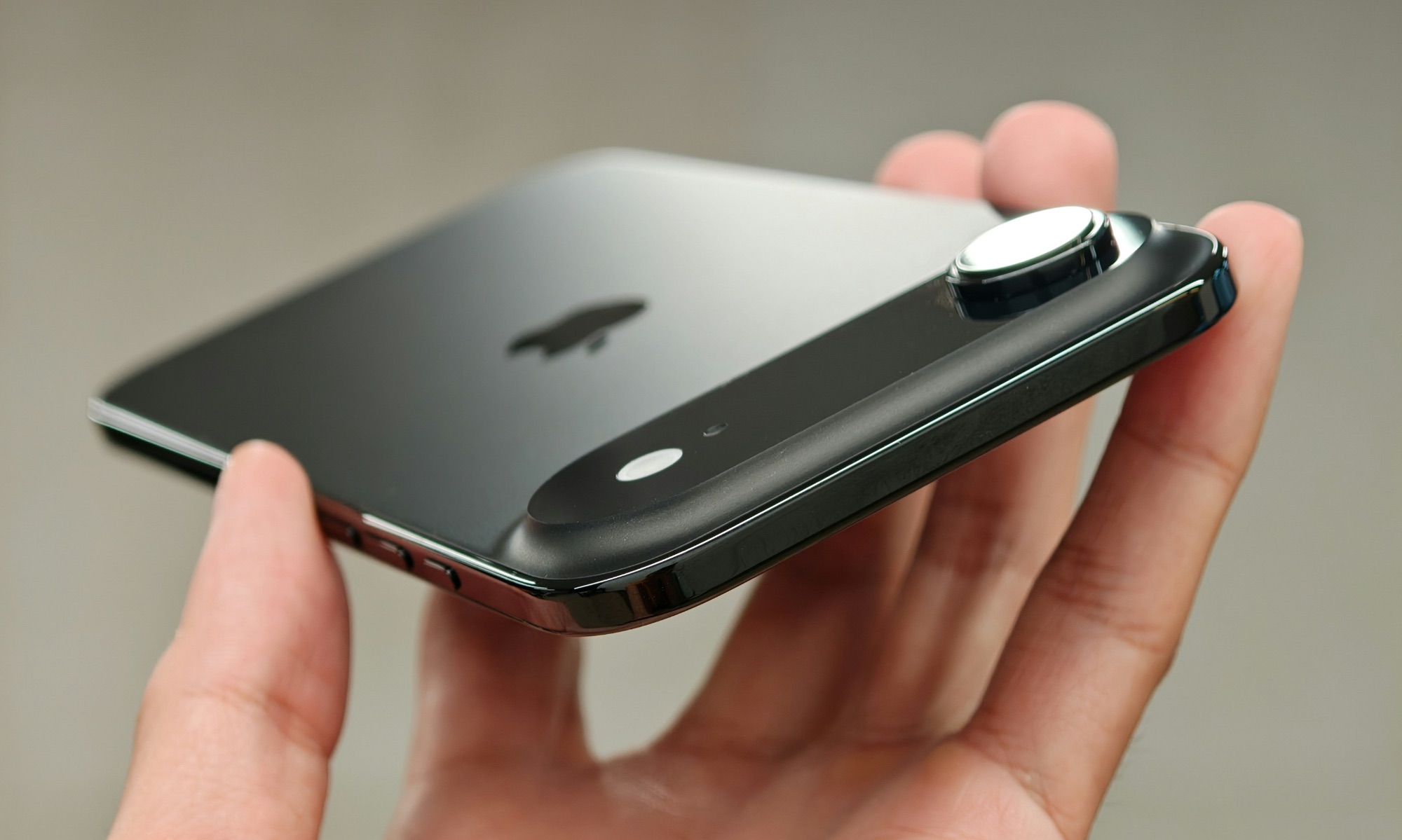
Whether or not a foldable smartphone is the right device is largely a matter of personal preference. The introduction of the foldable iPhone will undoubtedly create a race to match features and specifications amongst the major players, benefiting consumers if buyers hang onto their purchases.
Many Apple fans will likely try the new iPhone as much for novelty and status as for utility, much as they did with the iPhone Air. Thinness for thinness’ sake didn’t move the needle much for Apple, as its demand is relatively nonexistent. Time will tell whether early adopters embrace Apple’s first foldable iPhone in the long-term or make their way back to a traditional model.