The Honeymoon is Over: Why OpenAI is Threatening to Sue Apple
Toggle Dark Mode
When Apple announced its first AI features in June 2024, they came with what seemed to be a pretty groundbreaking partnership at the time: While Apple Intelligence would offer its own on-device models for things like Writing Tools, Image Playground, and Siri, it would also allow users to plug into OpenAI’s ChatGPT for all those situations where its own tools weren’t enough.
Of course, that turned out to be the case with Siri much more often, especially since Apple failed to deliver on the more personalized Siri that it had promised. Still, the original partnership wasn’t really intended for that; instead, Apple recognized that it would be a long time before Siri would be ready for handle “world knowledge,” so ChatGPT was there to fill the gap for those times.
While the ChatGPT integration didn’t arrive until iOS 18.2 showed up in late 2024, it worked reasonably well. If anything, it was Siri that actually got dumber, often trying to answer queries that it really should have just handed off to OpenAI’s chatbot.
Apple also promised that ChatGPT would be just the first of many of AI “extensions,” but it seemingly never managed to coax any others like Google or Anthropic to come to the table. That may finally change in iOS 27, but we’ll have to wait and see what Apple comes up with at next month’s Worldwide Developers Conference (WWDC).
Nevertheless, it seems that the ChatGPT partnership hasn’t gone as well as OpenAI had hoped. While the original deal seems to have been based purely on goodwill — neither party was paying anything to the other for the integration — it appears that OpenAI isn’t happy with how things turned out.
The ‘Goodwill’ Deal That Went Sour
In June 2024, shortly after Apple announced the integration, Bloomberg’s Mark Gurman reported that OpenAI was seemingly thrilled with the exposure that ChatGPT would get through the deal — or at least that was Apple’s take. “Apple believes pushing OpenAI’s brand and technology to hundreds of millions of its devices is of equal or greater value than monetary payments,” sources told Gurman at the time.
Now, two years later, OpenAI is telling a different story. Earlier today, Gurman shared that OpenAI is now “actively working with an outside legal firm” to explore possible legal action.
While it’s not clear what form that legal action might take, the issue appears to be that OpenAI hasn’t gotten the “payoff” it had hoped for in terms of new ChatGPT subscribers. It also reportedly expected more prominent placement within apps and even as part of Siri itself.
OpenAI believed that the companies’ partnership, which wove ChatGPT into Apple software, would coax more users into subscribing to the chatbot. It also expected deeper integration across more Apple apps and prime placement within the Siri assistant.
Mark Gurman
While Apple did weave ChatGPT into Image Playground in iOS 26 last year, it did that without any obvious branding beyond footnotes that feel more like disclaimers to disavow any responsibility for what OpenAI’s models come up with.
“We have done everything from a product perspective,” an OpenAI executive told Gurman on condition of anonymity. “They have not, and worse, they haven’t even made an honest effort.”
When Partners Become Rivals
This latest move doesn’t seem all that surprising considering how much things have cooled off between the two tech giants. What started as a seemingly cozy relationship, to the point where Apple was even considering OpenAI as a full-fledged “brain” for Siri, seems to have fractured after OpenAI began encroaching on Apple’s turf with its own services.
First was the odd partnership between former Apple design chief Jony Ive and Sam Altman to create “the next big thing” in AI — effectively turning OpenAI into a hardware company. While nobody was quite sure what that was going to be at the time, there was definitely potential for it to cross over into areas that Apple is also exploring. At that point the two companies seemed destined to become competitors in one way or another, and that only accelerated when ChatGPT Health beat Apple to the punch at offering a health-coaching service.
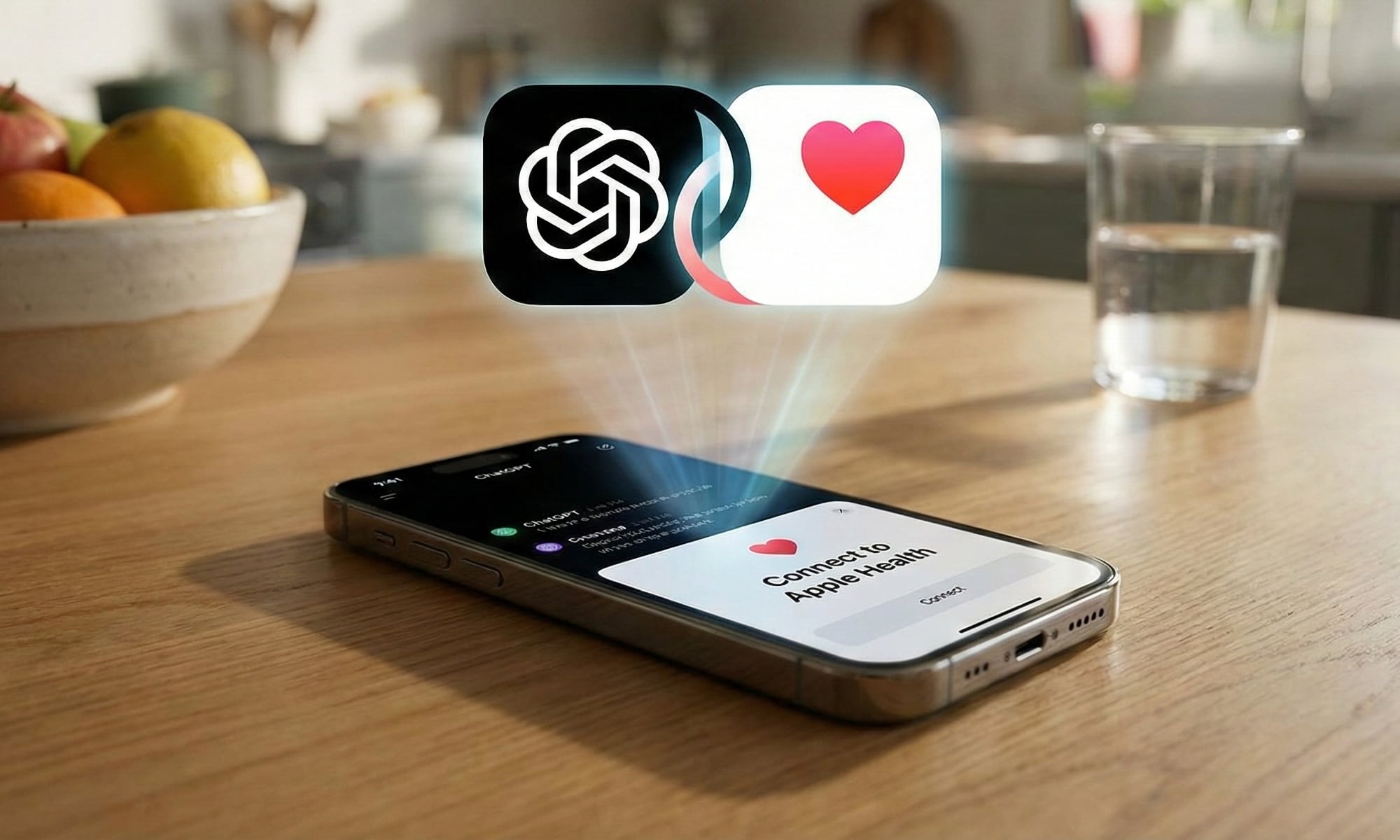
By that time, Apple had already chosen Google to help build “Siri 2.0” but OpenAI seems to be driving another wedge into the already-fractured relationship with its plans to create an “iPhone Killer.” While Apple hasn’t responded publicly, Gurman’s sources say that this move has “rankled the iPhone maker.”
It’s still not entirely clear when things began to go sour, but OpenAI clearly expected more from the arrangement, while Apple reportedly had its own concerns about whether the AI giant was doing enough to protect user privacy.
Apple insisted from the start that all information sent to ChatGPT through Siri or other Apple Intelligence tools would be completely anonymized unless the user had explicitly chosen to sign into a ChatGPT account. However, this also had to be done directly in the iPhone Settings app — installing ChatGPT on the same iPhone still maintained an ethical wall between the two sides of OpenAI’s models.
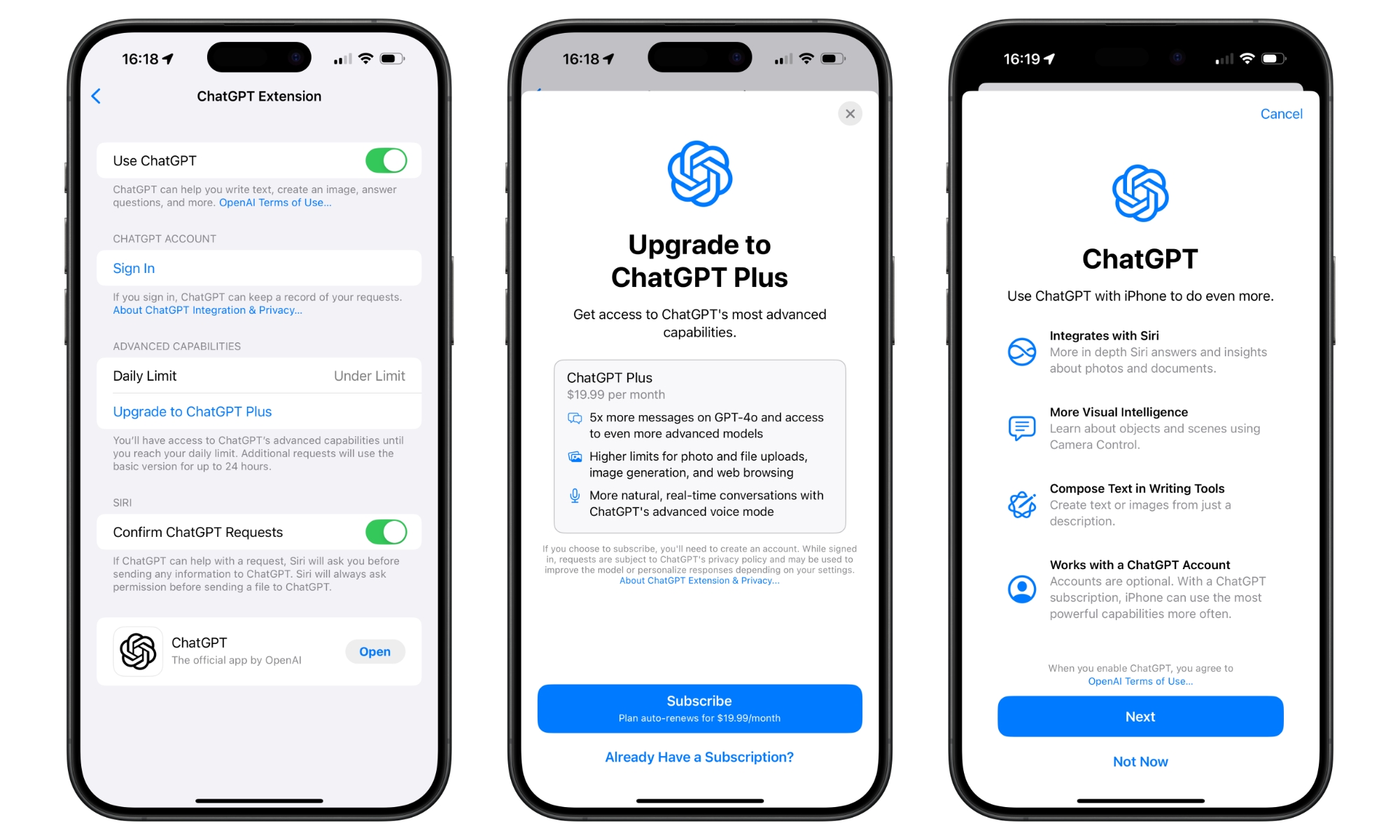
As a concession, Apple provided a way for iPhone users to sign up for ChatGPT memberships directly from that same Settings menu, even without the ChatGPT app installed. In that case, Apple would get an unspecified portion of the subscription revenue (it’s never been clear if that was the same as the standard in-app subscription cut or a separate rate), but OpenAI clearly hoped that this would lead to millions of new subscribers that might not otherwise join the platform.
“When we heard about this opportunity, it sounded amazing: being able to acquire a giant number of customers and have distribution in such a big mobile ecosystem,” the OpenAI executive told Gurman. However, Apple was vague on the specifics, reportedly asking OpenAI to “take a leap of faith and trust us,” the executive said.
That’s not to say that OpenAI hasn’t enjoyed a nice surge in users. It’s just that it doesn’t believe that Apple did anything special to bring them to the table. According to its own user studies, the overwhelming number of subscribers have simply installed the ChatGPT app and subscribed from there — although it’s much harder for the company to quantify how many of those might have only done so after using the chatbot through Apple Intelligence.
At this stage, OpenAI is merely considering its options, and it’s also busy with a lawsuit from Elon Musk and unlikely ready to wage a war on two fronts. OpenAI is also hoping to resolve this with Apple without going to court, but it’s clear that the sunny days between Apple and OpenAI are likely over for good.