Don’t Get Fooled: How to Spot the Internet’s Most Convincing New Scams

Toggle Dark Mode
Online scams are getting harder to spot. Long gone are the days when scammers only sent messy emails full of spelling mistakes. Now they have AI tools that let them send fake texts, spoof phone numbers, and even use realistic voice or video tricks to make their scams feel legitimate.
That’s why people fall for them. A scam may look like a legit message from a company or person you trust. The goal is almost always the same: get you to click, pay, share information, or panic before you have time to think.
The good news is that most scams still rely on a few predictable tactics. And if you know what to look for, you can avoid many of the most common traps. Here are the online scams you’re most likely to run into and how to protect yourself.
Phishing Scams
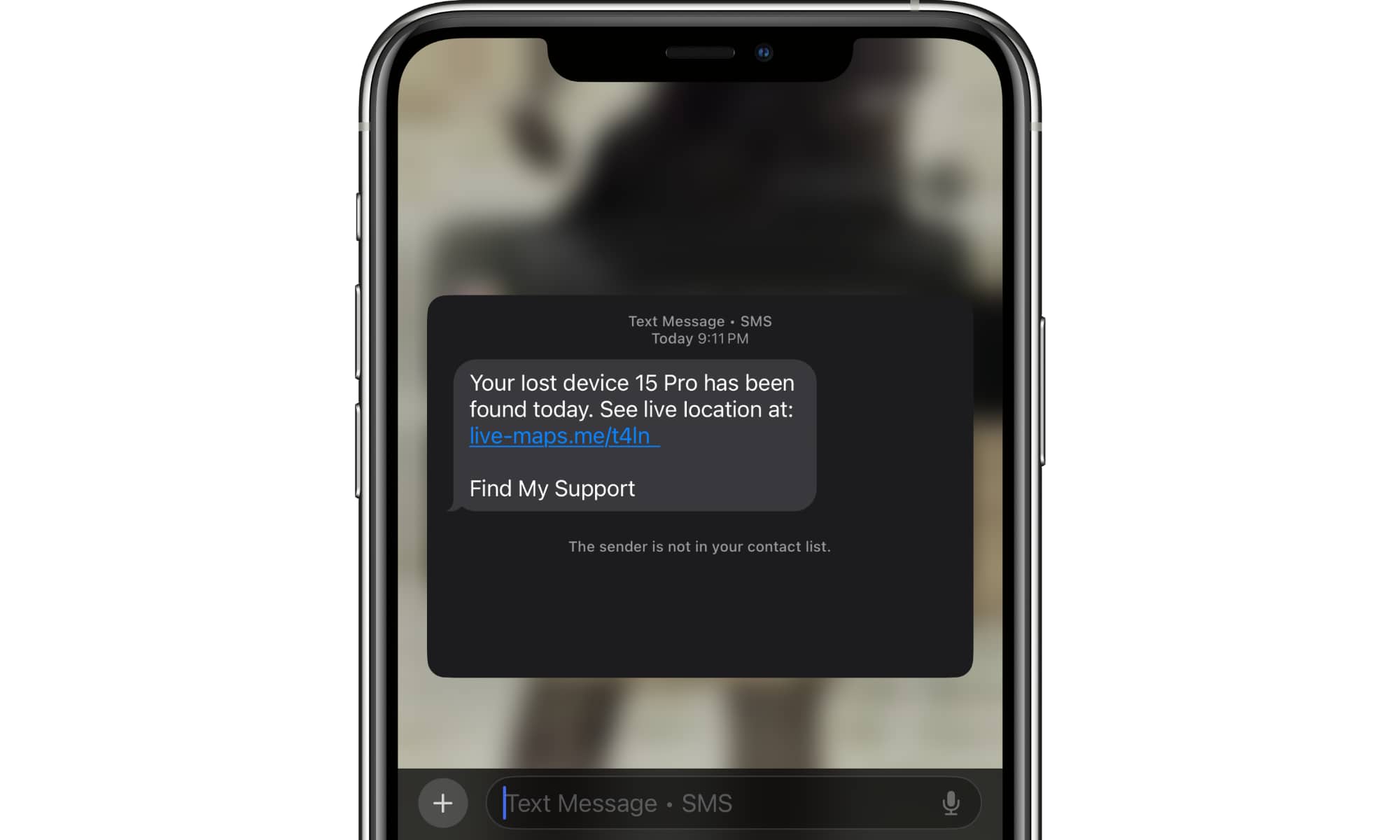
Phishing remains one of the most common online scams in the world, and for a good reason: it still works. In fact, chances are you’ve encountered it already — whether you realized it or not.
A phishing scam happens when a scammer sends a message pretending to be someone else you might already trust. The scam usually starts with a message that appears to come from a company or even a person you know. It may claim there’s a problem with your account, or warn you about unusual activity. Sometimes it says a package couldn’t be delivered or a payment method needs to be updated.
The message itself often looks convincing. Modern phishing emails frequently copy company logos, formatting, and branding. Some even use terms that sound exactly like things the real company would say.
The scammer wants you to click a link that leads to a fake website. Once there, you may be asked to enter your password, your credit card information, or a verification code. Whatever you enter is sent directly to the criminal operating the scam.
One of the easiest ways to protect yourself is to avoid using links from unexpected messages. If your bank claims there’s an issue with your account, open your banking app directly. If a delivery company says there’s a problem with a shipment, visit the carrier’s official website yourself.
Likewise, if you aren’t convinced about the message, be sure to check the email address. Big companies will use an address with their own brand’s name, like “@apple.com.” But since scammers can’t use an address like that, theirs might look something like “apple43824@gmail.com.” Taking that extra step removes the scammer’s ability to control where you go.

Online Shopping Scams

Online shopping scams have become increasingly common as more purchases happen online.
Many of these scams begin with an ad. You might see it while browsing social media or searching for a product online. The item looks appealing, and the website appears professional enough.
Unfortunately, that’s where the trouble begins. Some fake stores collect payment and never ship anything. Others send products that barely resemble the photos. In some cases, the website disappears entirely a few weeks after collecting customer payments.
A useful tip is to spend a few minutes researching unfamiliar retailers before making a purchase. Look beyond the reviews displayed on the store itself, as the owners of the website can import those in a matter of seconds. Check whether the business has a real address, see if customer service information actually exists, and check for reviews from trusted third-party sites.
Extremely low prices should also make you more cautious. Retailers occasionally run aggressive promotions, but there are limits. When a deal looks dramatically better than every competitor’s offer, there’s usually a reason.
Investment and Crypto Scams

Investment schemes are as old as money itself. They often promise easy and huge profits with little effort. The scammer may claim they’ve discovered a secret strategy that’s made them millions, but for some reason, they’re willing to share it with the world instead of just using it for themselves. Others might tell you they have the key to financial freedom.
Social media has become one of the most common places for these scams to spread. A stranger may contact you directly, or you might find a fake success story in a comment section. They might even have actual screenshots or videos of their own accounts with a bunch of winning trades. They sound real enough to get your attention.
Eventually, however, the victim is encouraged to invest money. Once larger deposits are made, withdrawals become difficult or impossible. They might say that they have a processing problem, or that there are extra fees you need to pay. At some point, communication usually stops altogether.
Whenever someone guarantees returns or claims there’s no risk involved, the best thing you can do is stay away from them. Legitimate investments don’t work that way. Every real investment carries uncertainty, and anyone who says otherwise deserves closer scrutiny.
Tech Support Scams
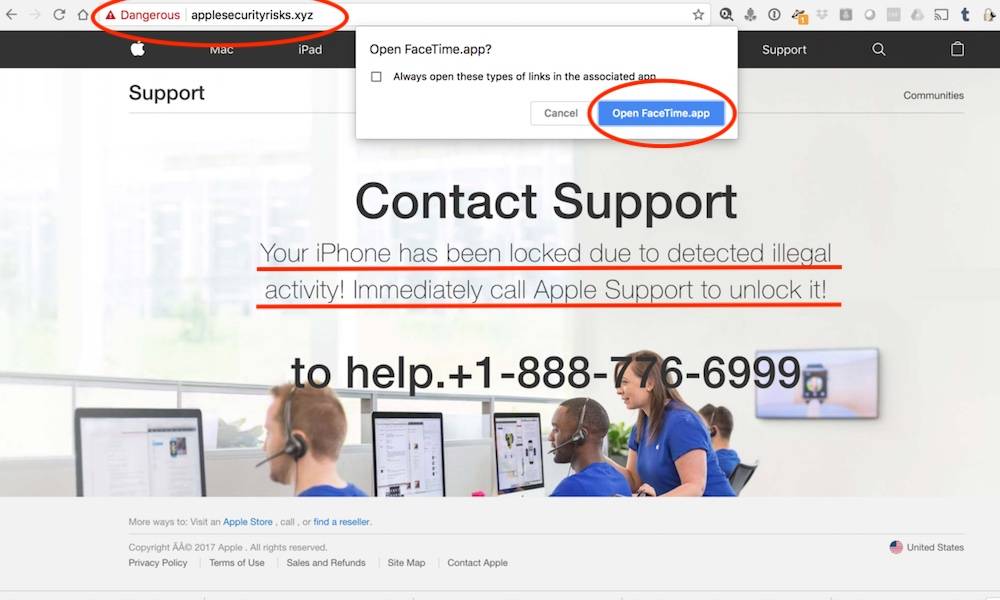
Tech support scams are designed to create panic and make you act irrationally. You may encounter a website claiming your computer is infected, or get a pop-up message that says you need to act quickly or your computer might break down.
The message usually provides a phone number to call immediately. And if you make that call, the scammer often claims to be a support representative from a major technology company like Apple or Microsoft.
They may ask you to install software that allows them to access your device remotely. Once connected, they can display fake warnings, invent problems, and pressure you into paying for unnecessary services.
In some cases, the scammer’s real goal isn’t the payment. Instead, they’re interested in accessing your files, passwords, or financial information stored on the device.
Legitimate companies don’t operate this way. Apple doesn’t randomly display emergency phone numbers in browser windows, and Microsoft doesn’t call customers to report malware infections. Unexpected warnings like these should be avoided at all costs.
Fake Job Scams

Remote work has created many opportunities for hard workers, but it has also opened the door to scammers.
Fake job scams often promise easy income for simple tasks. The work sounds straightforward. You’re told to complete simple online activities and earn money in return. Scammers might even send initial payments to build trust and convince you that the operation is legitimate.
Once you trust them, the scam changes. You are informed that larger earnings are available. However, if you want access to those opportunities, you will need to make a deposit. Sometimes the payment is described as a security fee.
After money is sent, additional payments are often requested. By the time you realize what’s happening, you’ve already lost a lot of money.
A simple rule helps here: legitimate employers pay workers. Workers do not pay employers for the privilege of earning money. A good employer will never ask you for money to make money or to send you your equipment.
Fake Social Media Giveaways
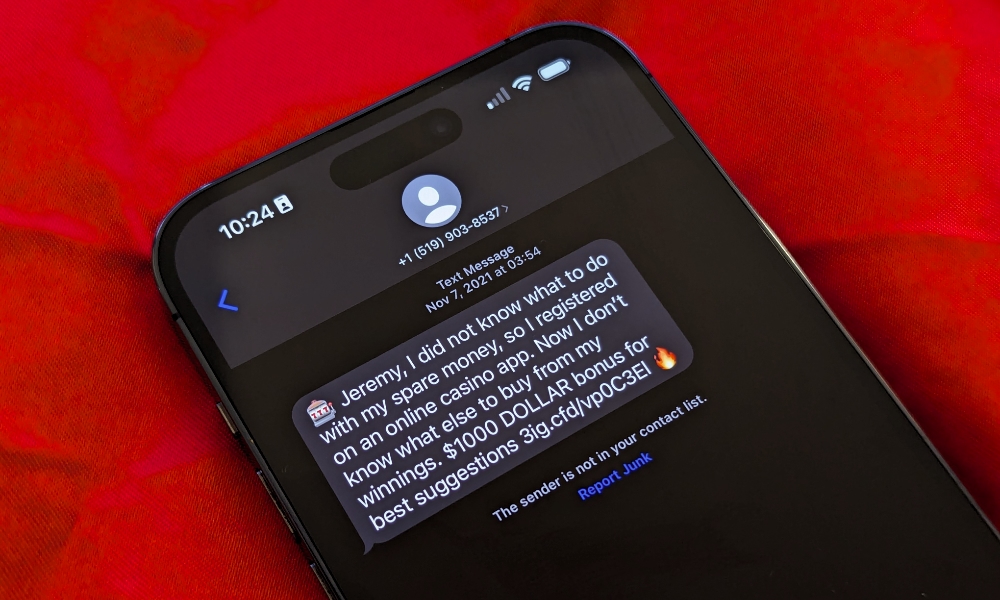
Everyone likes free stuff, and scammers know that. Social media giveaway scams usually begin with a direct message announcing that you’ve won a prize. Maybe you won a new phone or $1,000.
The scammer claims you’re one of the lucky winners, and all you need to do is pay a shipping fee, verify your identity, or provide account information to claim the reward.
Once money or personal information is sent, the prize never appears. These scams often use fake accounts that closely resemble legitimate brands or public figures. At a quick glance, the profile may seem authentic, but a closer look usually reveals warning signs.
To avoid these issues, thoroughly check the account. Maybe the account was just created, the username may contain small spelling changes, or the follower count often doesn’t match what you’d expect from a major company or celebrity.
Actual, legitimate giveaways won’t require you to pay in advance. If you get a message like this, block and report the person, so other people don’t fall for these scams.
AI Voice And Deepfake Scams

This is one of the newest and scariest scams available now. Artificial intelligence has created a new challenge for all of us because seeing or hearing something is no longer enough to prove it’s real.
Scammers can now generate convincing voices from short audio samples. They can also create realistic videos and manipulate images in ways that would have been extremely difficult just a few years ago.
One common scenario involves a family emergency. The victim receives a phone call from someone who sounds exactly like a loved one.
The caller claims there’s been an accident or another urgent situation, and you need to send money immediately. Since the voice sounds familiar, and the emergency sounds real, you feel like you have to do something to help.
Other scams use fake videos of celebrities or business leaders to promote fraudulent investments. The content appears authentic until you examine it more closely.
While it’s natural to want to help a family member — or jump on an opportunity because a deepfaked Martha Stewart appears to endorse it — you should always verify the situation through a separate channel before sending cash. Call the person directly, or send a separate message.
If it’s a famous person or organization asking or offering money, try reaching out in some other way. If you can’t, then avoid the message altogether. More often than not, it’s really just a scam or not worth your trouble.
Some families have even created private verification phrases known only to close relatives. Think of it as two-factor verification that instantly reveals whether the caller is genuine.
Stay Safe Online
Online scams aren’t going away anytime soon. If anything, they’re becoming more sophisticated as criminals gain access to better technology and more convincing tools.
That doesn’t mean you need to become paranoid every time you receive a text message or email. Most online interactions are legitimate. You just need to be aware when some things feel off.
Whatever the scam may be, you need to follow the same rules for pretty much anything. Slow down before responding, verify information through a trusted source, and don’t let urgency make decisions for you. That small pause is often the difference between spotting a scam and becoming its next victim.