Is February the New March? The iPhone 17e Could Be Just Around the Corner
 Apple
Apple
Toggle Dark Mode
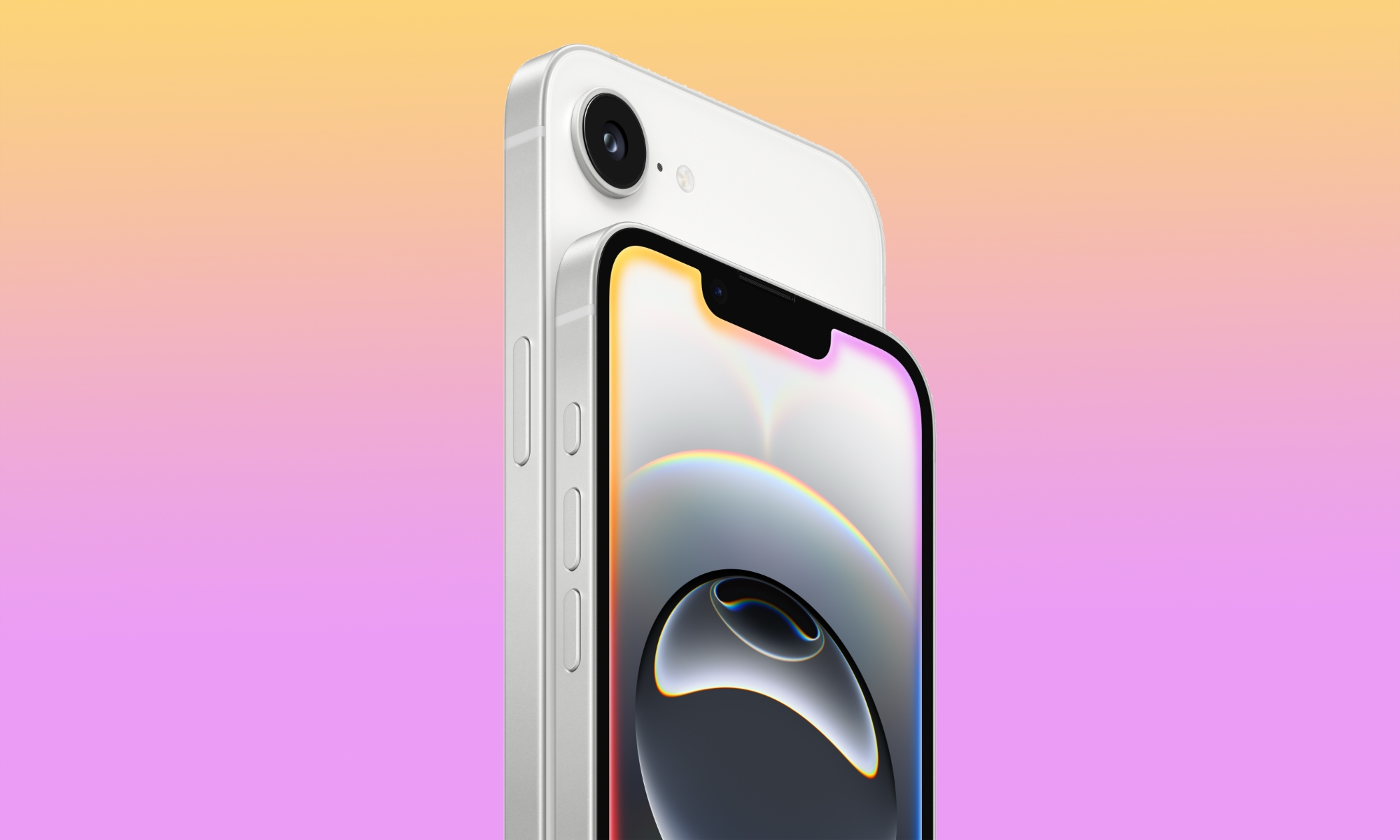
While there’s been strong evidence that Apple plans to make its new e-series iPhone an annual event, last year’s iPhone 16e may have been the start of a new trend of making its entry-level iPhone the first big product of each new year.
In a similar vein to how the numberless iPhone SE never hit an annual stride (and the similarly unnumbered iPhone Air may be destined to follow), Apple’s decision to make the iPhone 16e part of the iPhone 16 family made it all but inevitable that it would be followed by an iPhone 17e.

There’s been some debate about what we can expect from the next entry-level model, but the rumor mill has recently gelled around the prediction that we’ll see an A19 chip and the Dynamic Island. Since the iPhone 16e has the A18 chip, it doesn’t take a lot of clairvoyance to predict an A19 chip for its successor. The matter of the Dynamic Island has been less clear. Several leakers expected this last year, but it makes more sense this time around.
The iPhone 16e retained the notch and lacked MagSafe charging (among other limitations it also shares with the iPhone Air), but those omissions weren’t entirely surprising for its status as a value model. Apple may have changed the name, but the iPhone 16e effectively replaced the prior budget model, the iPhone SE, and it followed a similar playbook of cutting corners.
One of the key elements of that was borrowing a 2.5-year-old design and putting in some new technology. The original 2016 iPhone SE was basically a 2013 iPhone 5s with the A8 chip from iPhone 6s and better cameras, and the 2020 iPhone SE mirrored the design of the 2017 iPhone 8 with the latest A13 chip. Along the same lines, the iPhone 16e was basically a souped-up iPhone 14, with the same screen and a nearly-identical body, minus the Ultra Wide camera and MagSafe capabilities, but with the added bonus of the Action Button and, of course, a USB-C port.
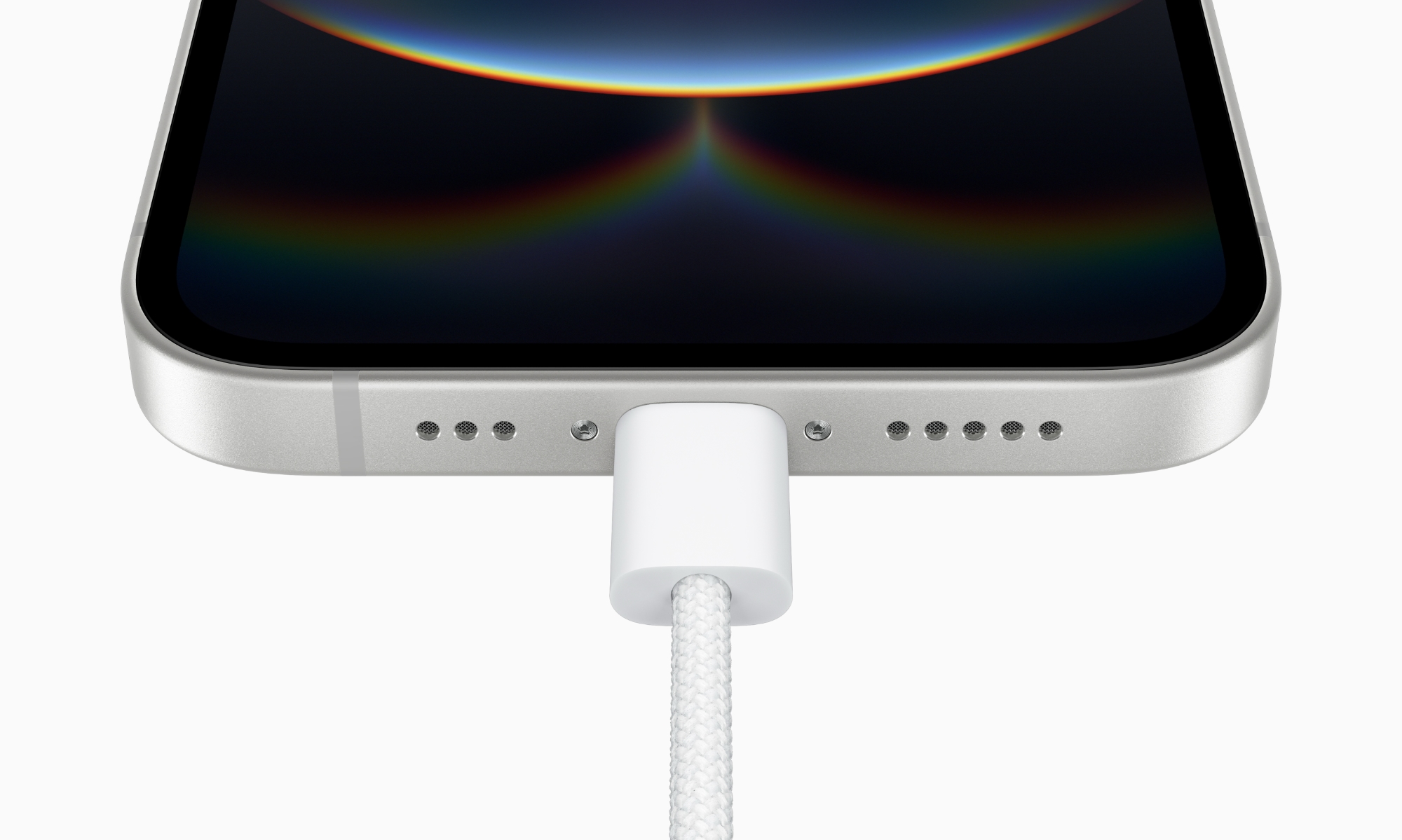
The iPhone 14 was the last model to sport a notch, and the iPhone 16e used that screen — likely to leverage manufacturing efficiencies within Apple’s supply chain, which was already up and running for the iPhone 14 that was discontinued at the same time the iPhone 16e was announced.
This year, Apple has a new 2.5-year-old model to base the iPhone 17e on, and it’s also one that’s already out of production: the iPhone 15. While Apple had a longstanding tradition of selling the two previous base iPhone models alongside its new lineup each year, the advent of the iPhone 16e effectively replaced the iPhone 15. That was the first base model to adopt the Dynamic Island, which suggests the iPhone 17e will likely follow suit.
When Will the iPhone 17e Launch?
However, the bigger news is that the iPhone 17e might arrive sooner than we expect. A Weibo supply chain leaker who goes by the moniker “Smart Pikachu,” reports that the iPhone 17e is about to begin mass production.
Last year, Apple broke tradition by releasing the iPhone 16e on February 19 and having it in stores before the month was through. Although that new budget model was the spiritual successor to three generations of iPhone SE that always launched in the spring, the earliest announcement we ever saw was when the third-generation iPhone SE arrived on March 8, 2022 — and that’s arguably because it was only one part of a much more significant Apple event that also ushered in the first Mac Studio and Apple Studio Display.
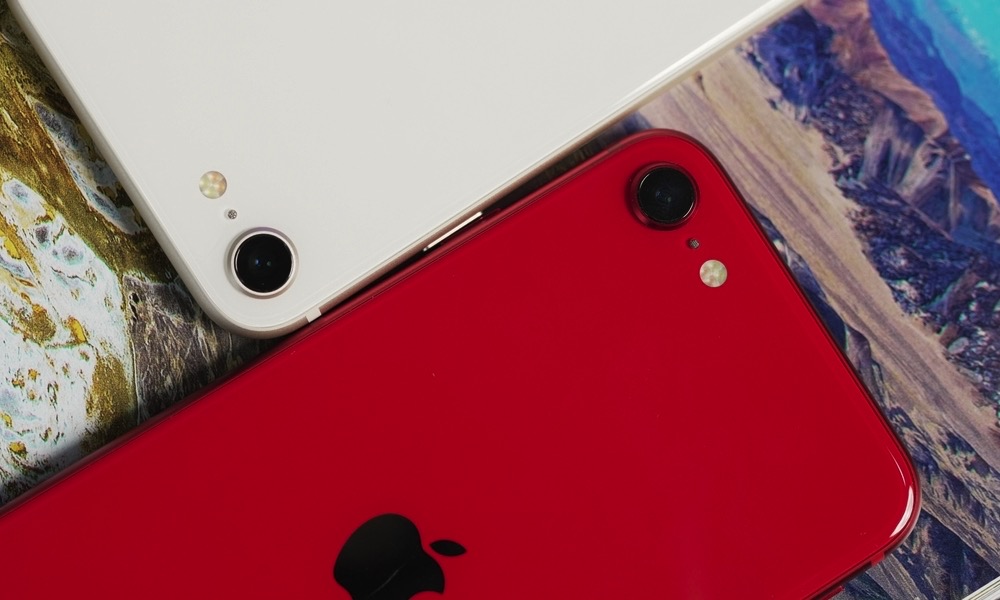
The iPhone SE itself was actually a rather underwhelming update, adding only a new A15 chip and 5G support to the rather staid iPhone 8 design of its 2020 predecessor, which debuted on April 24 that year.
So, when Apple unveiled the new iPhone 16e last year on February 19, it was a pretty significant move in more ways than just the introduction of an entirely new model tier. After Apple stopped attending the January Macworld San Francisco (MWSF) event in 2009, January and February announcements became almost non-existent.
The few that we’ve seen have been relatively minor product refreshes, such as the second-generation HomePod and the M2 Pro and M2 Max MacBook Pro and Mac mini models in January 2023, all of which were exceptions. The Macs in particular were likely delayed from the more typical fall release schedule, which is something we may soon see repeated with the M5 Pro/Max models, which are expected to arrive any day now.
Last year’s February iPhone release felt like a similar bump in the road leading to Apple’s usual March-April releases. The European Union’s USB-C mandate had come into effect on December 27, 2024, forcing Apple to pull the Lightning-equipped iPhone SE and iPhone 14 models from shelves. That created a huge pricing gap on the lower-end, and most analysts assumed the iPhone 16e’s launch was accelerated to fill this void as quickly as possible and get a lower-cost iPhone model back into European stores.
We may never know whether that was true, but if so, it might have just inspired Apple to shift that schedule permanently. This may also play into Apple’s rumored plans for a fully split launch schedule for next year’s iPhone 18 lineup, with September being reserved for the flagship Pro models — and the much-rumored “iPhone Fold” — while the standard iPhone 18 joins the iPhone 18e in early 2027.
[The information provided in this article has NOT been confirmed by Apple and may be speculation. Provided details may not be factual. Take all rumors, tech or otherwise, with a grain of salt.]